
Last updated October 16, 2026
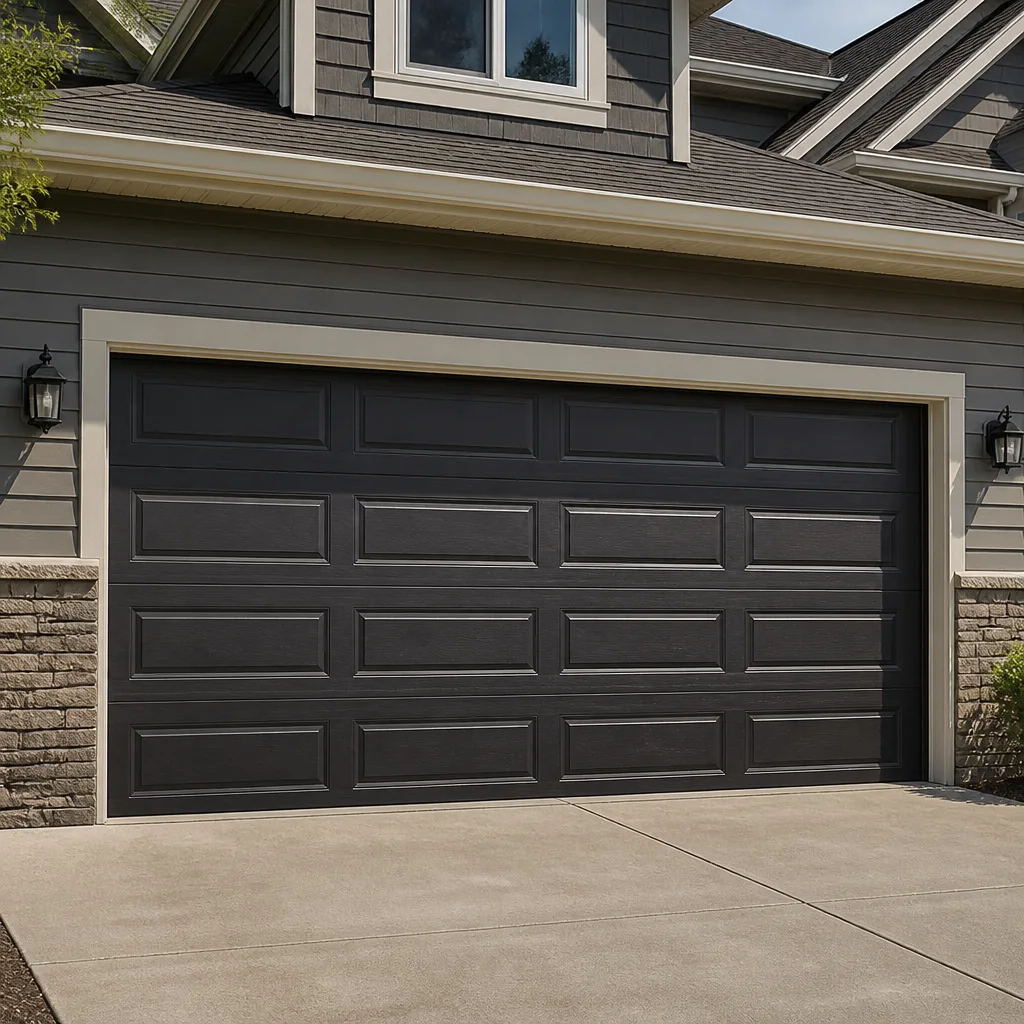 Raised-panel steel
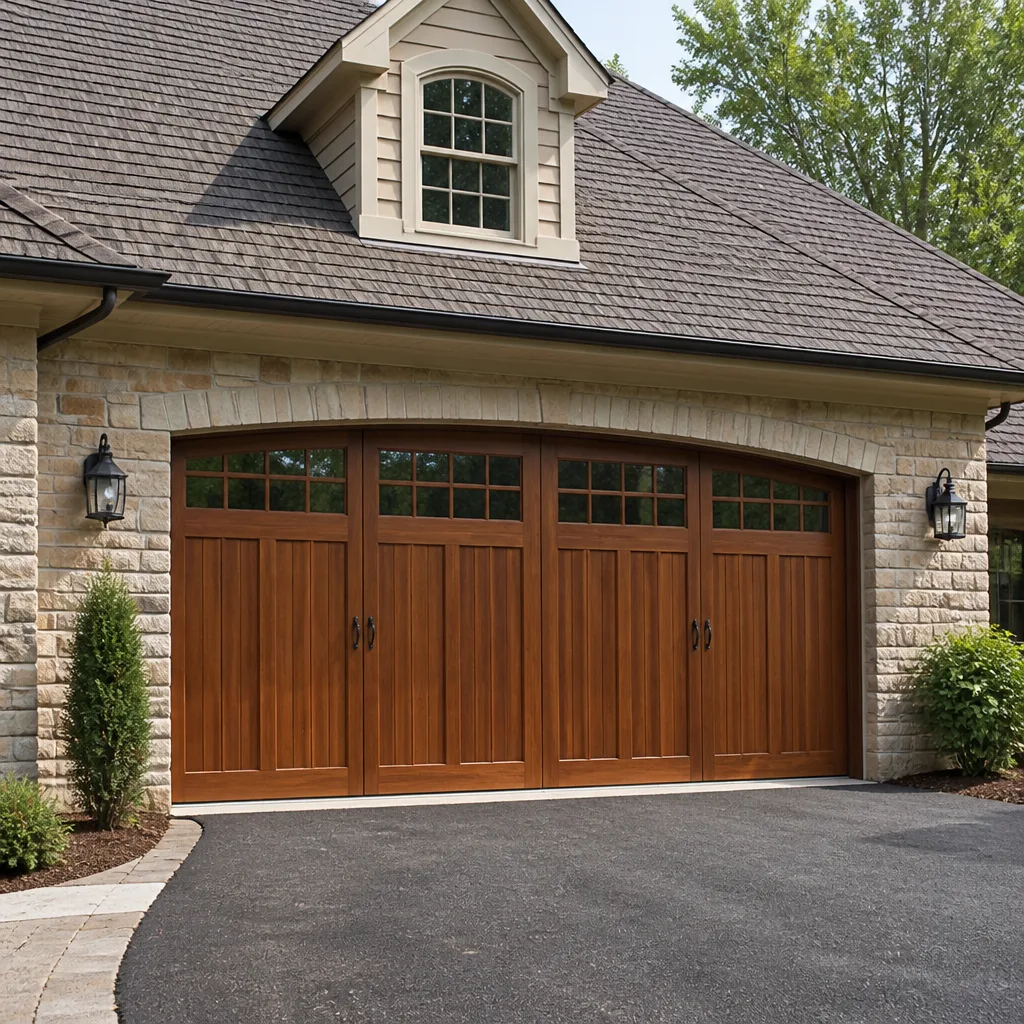 Carriage house
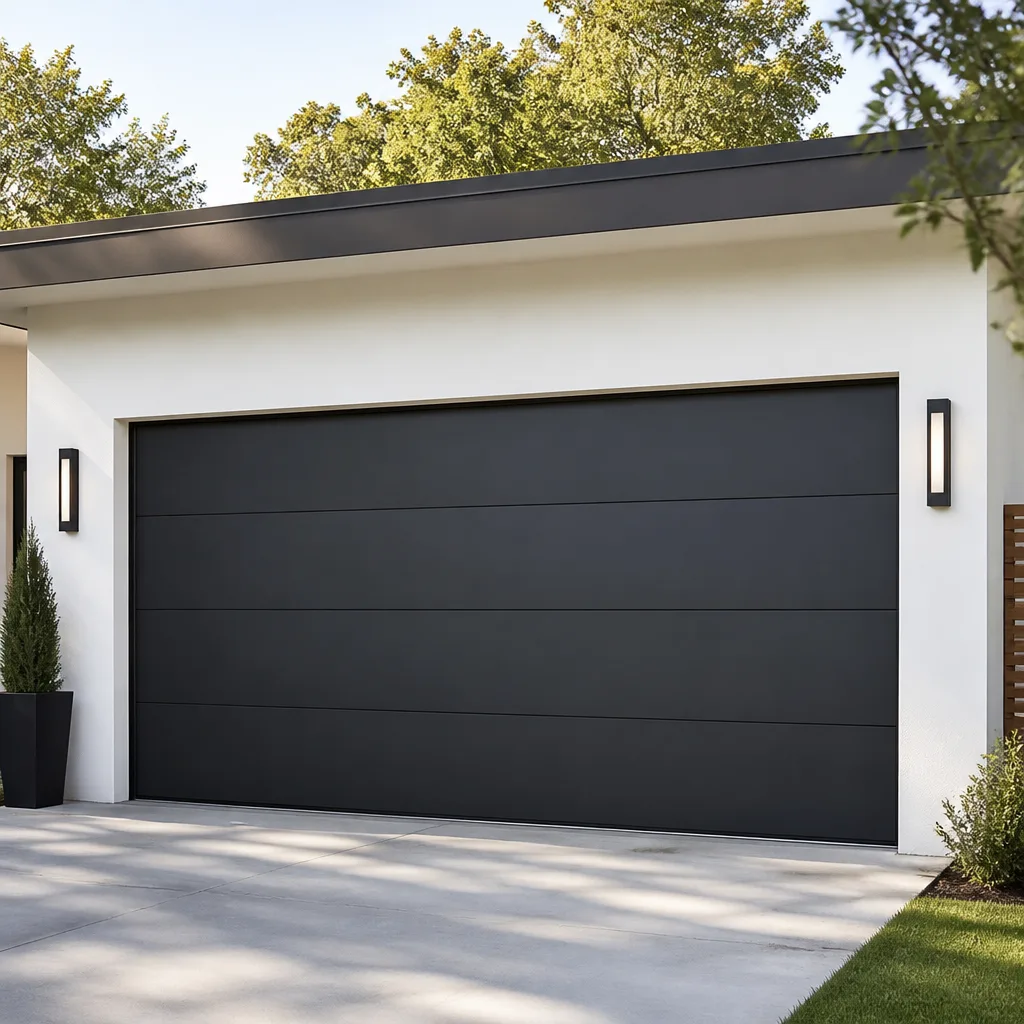 Modern flush
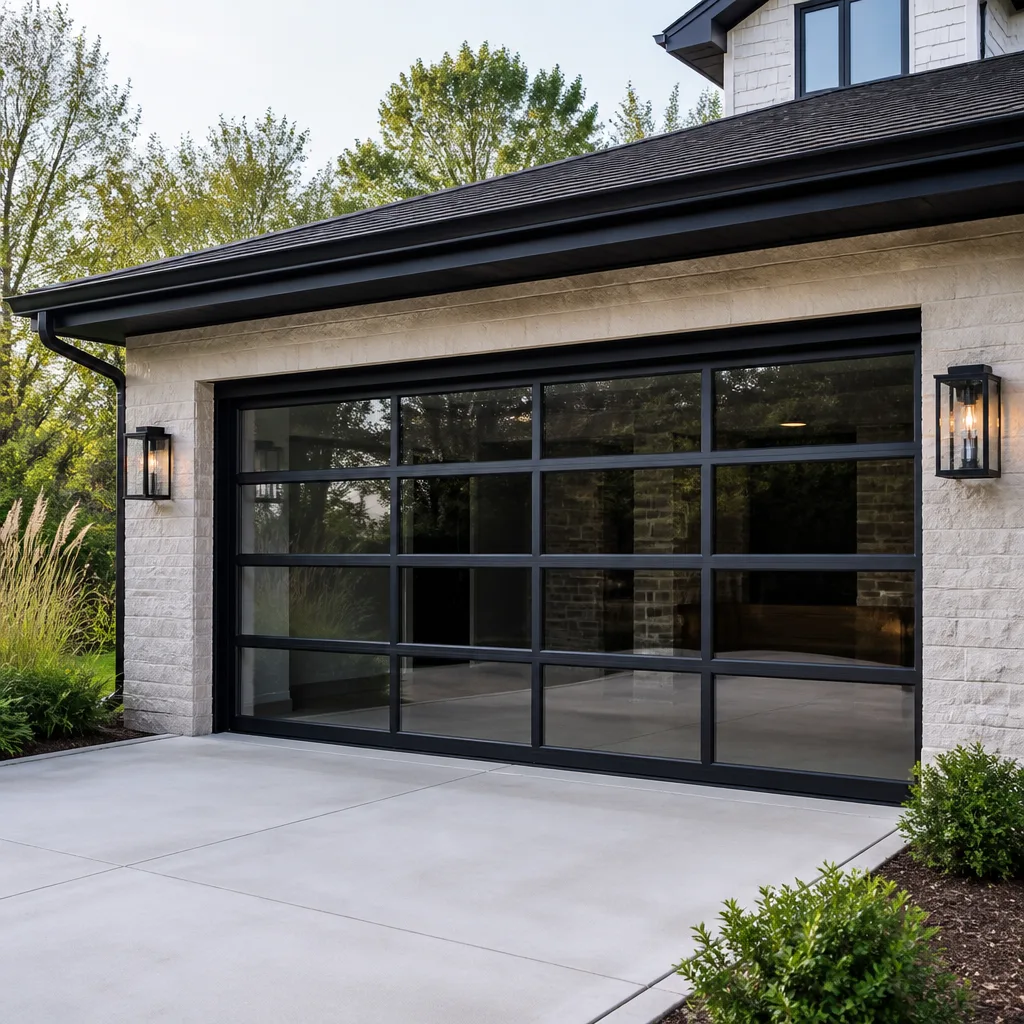 Full-view glass
 LiftMaster openers
 Chamberlain openers
Full 25-point door and opener safety check with every visit - springs, cables, rollers, tracks, and your LiftMaster or Chamberlain opener included
You get a price before we start. It does not change when the truck arrives.
Get your free estimateThe Complete Guide to Garage Door in Alpharetta
Your garage door is the largest moving part of your home, and most Alpharetta homeowners can’t name a single component on it. That gap costs real money the moment something fails. This guide maps the full ecosystem of your garage door system, how Alpharetta’s housing stock affects what breaks and when, and what a disciplined repair process actually looks like. By the time you finish reading, you’ll know more about your door than most technicians expect you to know, and that knowledge protects your wallet.
Quick Answer
A garage door system in Alpharetta consists of six main components: springs, cables, rollers, tracks, the opener, and the panels themselves. Most repairs fall between $150 and $400 depending on which part fails. The biggest mistake homeowners make is waiting too long to address a small problem, which turns a $200 repair into an $800 replacement.
Styles & brands we work with
Table of Contents
- The Anatomy of Your Garage Door: Every Component Explained
- How Alpharetta Housing Stock Affects Your Door
- Torsion Springs and Extension Springs: The Workhorses
- Cables: What They Do and Why They Fail
- Rollers and Tracks: The Alignment System
- Garage Door Openers: The Motor That Does the Lifting
- Written Pricing vs. Verbal Estimates: What You’re Actually Protected From
- The Garrison Standard: What a Disciplined Service Call Looks Like
The Anatomy of Your Garage Door: Every Component Explained
Before you can diagnose a problem or talk intelligently with a technician, you need to know what’s actually on your door. We’ve run thousands of service calls across Alpharetta, and the conversation always goes smoother when the homeowner understands the basic layout. Here’s the full component map.
Springs
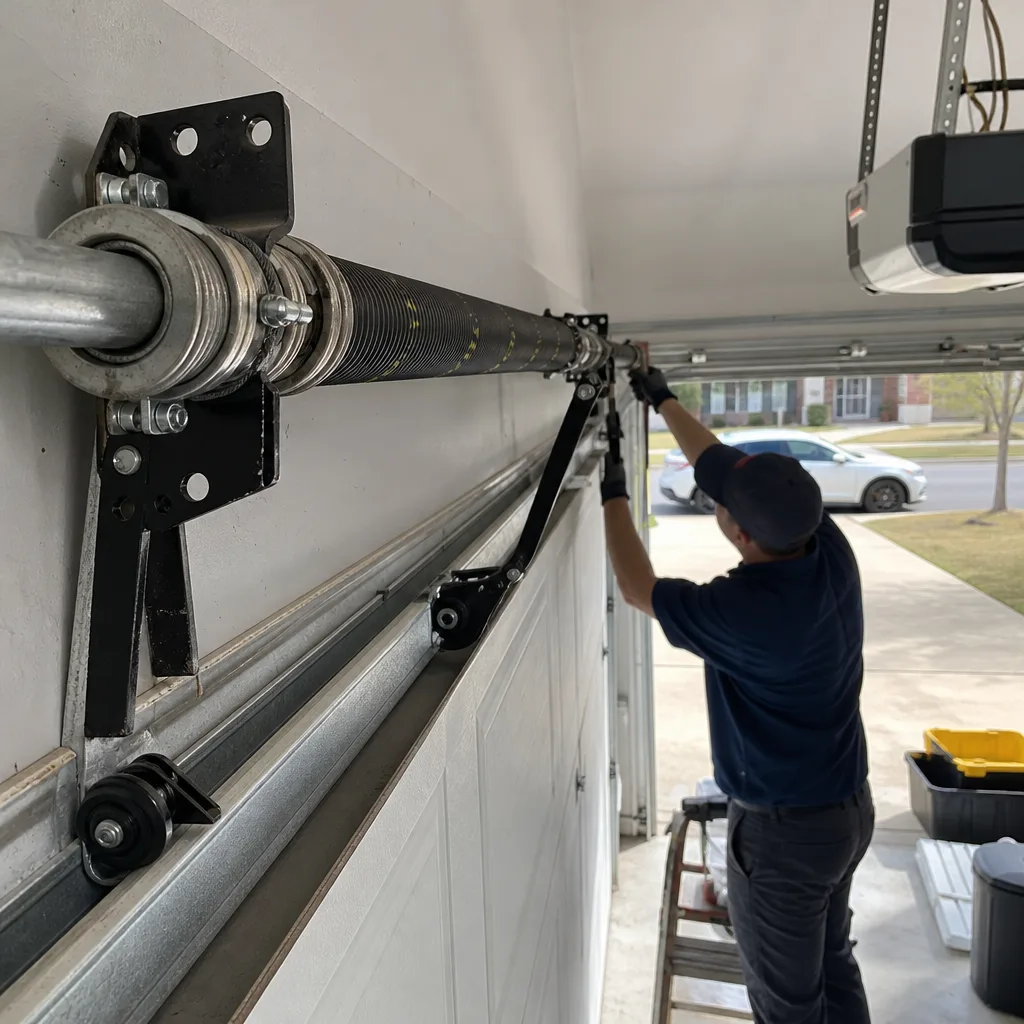
The springs are the muscle of your door. They counterbalance the weight of the door, which on a double-wide Alpharetta garage door typically runs between 150 and 250 pounds. There are two types: torsion springs, which sit coiled on a shaft above the door opening, and extension springs, which stretch along the horizontal tracks on either side. Torsion springs are more common on doors built after 1990 and are rated for roughly 10,000 cycles, which translates to 7 to 12 years of normal use. Extension springs last about the same but cost slightly less to replace.
Cables
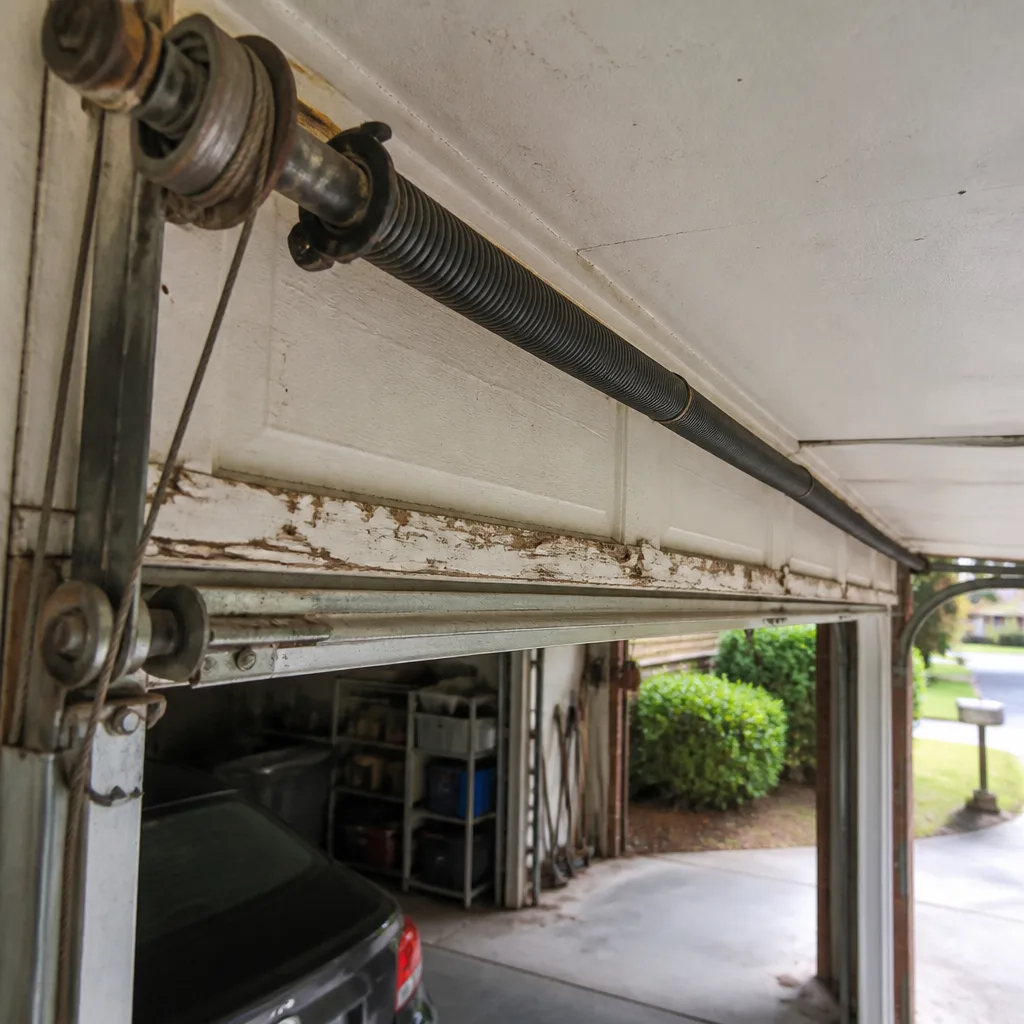
Cables are the braided steel wires that connect the springs to the door itself. They wind around drums at each end of the spring shaft and bear the lifting load when the spring does its job. On doors with torsion springs, the cables are under constant tension even when the door is closed. That’s why a frayed cable is a warning sign you shouldn’t ignore, and it’s also why cable repair is not a DIY project.
Rollers
Rollers are the small wheels that ride inside the vertical and horizontal tracks. Most stock rollers are steel with ball bearings inside. Nylon rollers are quieter and last longer, which matters if you have a bedroom above the garage, a common layout in Alpharetta homes built in the late 1990s and early 2000s. Rollers wear out every 5 to 7 years on average. When they fail, the door gets loud or starts jerking on the way up.
Tracks
The tracks are the steel channels that guide the door from vertical to horizontal as it opens. They’re mounted to the wall and ceiling with brackets that can loosen over time. A door that suddenly binds or scrapes often has a track alignment issue rather than a spring problem. Track repairs are usually straightforward, but they require a level and a careful hand.
The Opener
The opener is the motorized unit that does the physical lifting, but it’s not what actually bears the weight. A properly balanced door can be opened by hand with one arm. The opener just automates the motion. When a spring breaks, the opener strains against the full weight of the door, which is how a $250 spring replacement can turn into a $450 spring-and-opener job if you keep running the motor.
Panels
The panels are what you see from the street. On most Alpharetta homes, they’re steel with foam or polystyrene insulation inside. Panels can dent from impacts and can separate at the seams over time. Replacing a single panel costs less than a full door, but color matching can be a challenge on older doors that have faded in the Georgia sun.
If you want a deeper look at how these systems interact during a repair, our Garage Door Repair in Alpharetta page walks through the diagnostic process step by step.
How Alpharetta Housing Stock Affects Your Door
Alpharetta is not one housing market. It’s several, and each era of construction has its own garage door profile. Homes off Milton Road and the surrounding subdivisions, built largely between 1995 and 2010, tend to have larger-format garage doors than the national average. Double doors in the 16-foot-wide range are standard, with some custom homes going to 18 feet. That extra width changes everything about your hardware requirements.
A 16-foot double door weighs more than a 9-foot single, which means the torsion springs are rated for higher cycle counts and higher tension loads. The cables are thicker. The tracks need to be more precisely aligned because there’s more door to bind. We’ve seen Alpharetta homeowners buy springs online sized for a standard door and install them on a large-format door, then wonder why the spring failed within a year. Weight ratings are not suggestions.
Alpharetta’s climate also plays a role. The humidity in July and August causes steel rollers to develop surface rust faster than they would in a drier climate. Garage doors with west-facing exposure take direct afternoon sun, which causes metal components to expand and contract through daily thermal cycles. That expansion and contraction loosens track brackets and accelerates wear on rollers. A door that faces south or west will typically need roller replacement a year or two sooner than a north-facing door on the same street.
Older neighborhoods near downtown Alpharetta have a different profile. Homes built in the 1980s often have extension spring systems and single-panel doors, both of which are increasingly rare. Parts for those systems are still available, but fewer technicians carry them on the truck. If you own a home in that area with original hardware, you should expect that a repair may require ordering parts rather than a same-day fix.
Torsion Springs and Extension Springs: The Workhorses
Here’s the truth most guides won’t tell you: springs are a consumable. They are designed to wear out. Every time your door opens and closes, the spring cycles through tension and release. After 10,000 cycles or so, metal fatigue sets in and the spring snaps. If you open and close your door four times a day, that’s about 1,460 cycles per year and roughly seven years of service life. If you’re at eight cycles a day, you get half that.
In Alpharetta, where many households have multiple drivers and kids coming and going, eight to ten cycles a day is not unusual. That means a spring that should last seven years might only last three or four. When we replace a spring, we ask how often the door gets used and size the spring accordingly. A higher-cycle spring costs more upfront but lasts longer. For a heavy-use household, that math usually works out.
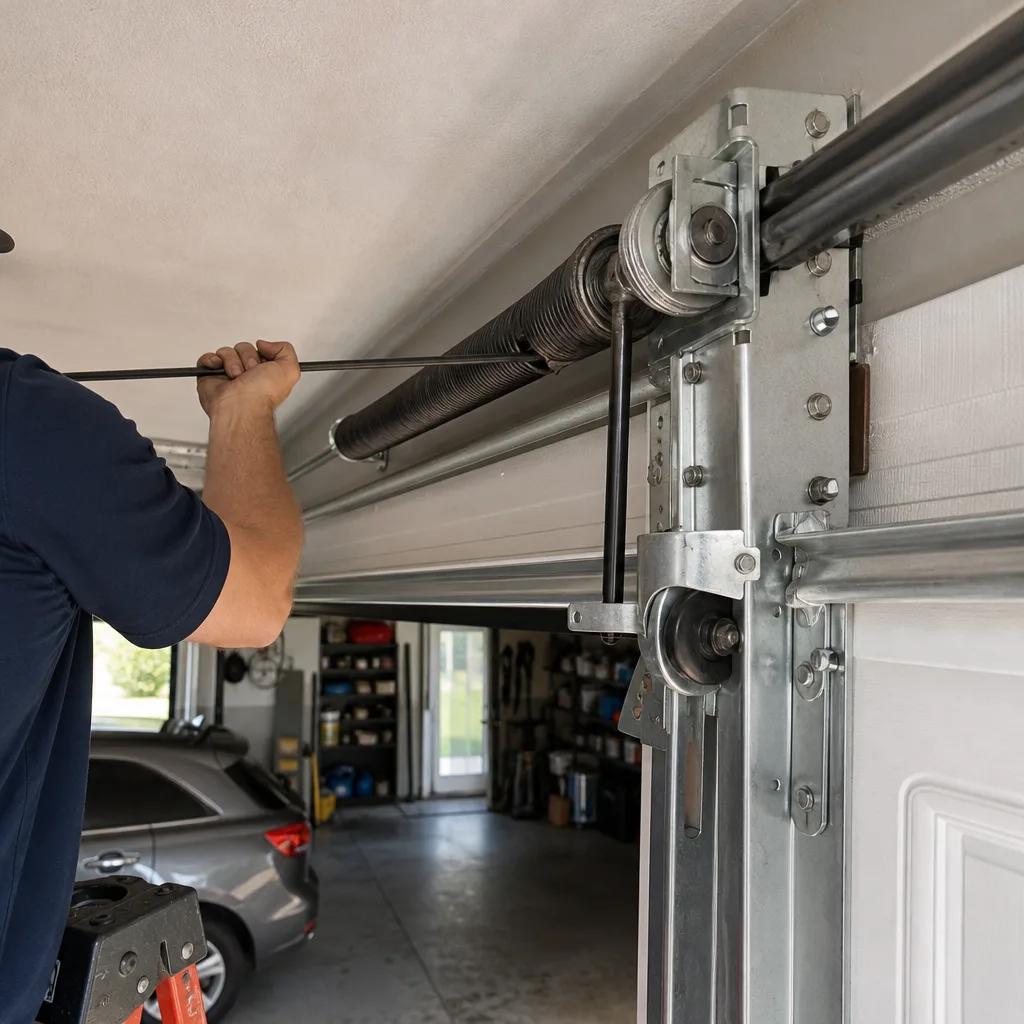
Torsion springs are the thick coiled springs mounted above the door on a metal shaft. They bear most of the lifting load. Extension springs, found on older systems, stretch along the horizontal tracks and do the same work through a different mechanism. Both are under extreme tension. A torsion spring at rest on a closed door is still holding hundreds of pounds of force. When it snaps, it releases that force instantly. People have been seriously injured working on these things. This is not the place for a YouTube tutorial and a socket wrench.
What should you do if a spring breaks? Stop using the opener immediately. Running the opener with a broken spring forces the motor to lift the full weight of the door, which it was never designed to do. That’s how you burn out a gear or destroy a chain. Leave the door closed if you can, and call a professional. If you’re in the middle of an emergency, our Brock Garage Doors Alpharetta home page has our service details and contact options.
Spring replacement costs in the Alpharetta market typically run from $180 to $340 for a pair of torsion springs, depending on the size and cycle rating. We put that number in writing before any work starts, and the springs themselves are covered under our 365-day guarantee. If a spring fails within a year under normal use, we come back and replace it at no charge.
Cables: What They Do and Why They Fail
Cables are the least understood component on a garage door, and ignoring them is the most expensive mistake we see. A garage door cable is a braided steel wire, usually 1/8 inch thick, that connects the spring system to the bottom of the door. On torsion systems, the cable wraps around a drum on the spring shaft. When the spring turns, the cable spools or unspools, and that’s what actually lifts and lowers the door.
Most cable failures happen for one of three reasons. The first is simple age. Steel cable frays over time, just like a bike brake cable, as individual strands bend and unbend with every cycle. The second is rust. In Alpharetta’s humid summers, cables on non-insulated garages can develop surface rust within a few years. The third and most common cause is a broken spring. When a torsion spring snaps, the sudden release of tension can snap the cable in the same instant. If you hear a loud bang from your garage and then see the door hanging unevenly, you probably lost both the spring and one or both cables.
Cable repair is physically demanding and genuinely dangerous. The cable on a wound torsion system is under enough tension to take off a finger if it snaps while you’re handling it. We never recommend that a homeowner attempt this repair. What we do recommend is knowing the warning signs: frayed strands visible near the bottom bracket, a door that hangs slightly crooked when closed, or a gap between the cable and the drum when the door is open.
Most cable repairs in Alpharetta run $150 to $275, depending on the cable type and whether the drum needs to be replaced at the same time. If the cable snapped because a spring broke, you need both fixed together. Doing just the cable on a broken spring is like putting a bandage on a broken leg.
For more detail on this specific repair, see our Garage Door Cable Repair in Alpharetta page.
Rollers and Tracks: The Alignment System
Your rollers and tracks work together as a guidance system. When they’re in good shape, the door moves smoothly and quietly. When they’re not, you get noise, binding, and eventually a door that won’t open or close at all.
Rollers wear predictably. A standard steel roller with ball bearings lasts five to seven years in Alpharetta’s climate. The humid air accelerates rust on the bearing surfaces, and once a bearing starts to seize, the roller stops rolling and starts dragging against the track. That drag puts extra load on the opener and the springs, and it wears a groove into the track itself. If you hear a grinding or squealing noise when the door moves, one or more rollers are probably done.
Nylon rollers are a direct upgrade. They run quieter, last longer, and put less wear on the tracks. If you have a bedroom over the garage, nylon rollers are worth the small extra cost. We stock both steel and nylon rollers on our trucks, so the decision can be made at the door rather than in advance.
Tracks are more durable than rollers but not indestructible. The brackets that hold the tracks to the wall and ceiling can loosen over time, especially on doors that get heavy daily use. When a bracket loosens, the track shifts slightly. The door starts to bind at one point in its travel, usually about halfway up. You might hear a scraping sound, or the door might pause and then jump forward. This is a track alignment issue, and it’s usually a quick fix if caught early. Left alone, a misaligned track can force the door out of the track entirely, which is a much bigger problem.
Annual maintenance here matters. A visual inspection of the tracks and brackets takes five minutes and catches most problems before they become repairs. Look for visible gaps between the bracket and the wall, rust on the track surface, or the door wobbling side to side as it moves. Any of those is a reason to call before the door comes off its tracks.
Garage Door Openers: The Motor That Does the Lifting
Your opener is not actually the thing that lifts the door. If your door is properly balanced, you can open it by hand with one arm. The opener is a convenience layer. That distinction matters because it explains most opener failures.
When a spring breaks and the homeowner keeps running the opener, the motor strains against the full weight of the door. That strain burns out the gear inside the motor housing on most LiftMaster and Chamberlain units, and it can destroy the chain or belt on Craftsman and Raynor openers. We see this exact scenario at least once a week in Alpharetta. The door makes a loud bang, the owner hits the opener button anyway to try to get the car out, and a $250 spring replacement becomes a $450 spring replacement plus a new opener gear.
Here’s the rule: if your door makes a loud noise and then won’t move, or if it moves unevenly, do not use the opener. Open it by hand using the emergency release cord if you absolutely must get a vehicle out, and leave it until a professional can look at it. The emergency release cord is the red handle hanging from the opener rail. Pulling it disconnects the door from the opener, which lets you lift the door manually. But again, if the spring is broken, the door is going to be very heavy.
Opener repairs in Alpharetta typically cost $100 to $250 for diagnostics and component replacement like gears, capacitors, or circuit boards. Full opener replacement runs $300 to $600 depending on the model and features. Modern openers from LiftMaster and Chamberlain come with battery backup options, which matter in Alpharetta because summer thunderstorms bring power outages, and a garage door you can’t open during an outage is a real problem if your cars are trapped inside.
We service all major brands, but we’re honest about what’s worth fixing and what isn’t. If your opener is more than 12 years old and has failed, replacement is usually the better financial decision. If it’s newer and the motor is still strong, a component repair makes sense. That’s a conversation we have before we quote, not after. See our Garage Door Opener Repair in Alpharetta page for more on specifics.
Written Pricing vs. Verbal Estimates: What You’re Actually Protected From
Here’s a scenario we hear constantly. A homeowner calls a garage door company, describes the problem, and gets a verbal estimate over the phone. The technician shows up, opens the door, and says the job is going to cost more than the estimate. Maybe it’s a legitimate discovery, maybe it’s not. Either way, the homeowner has no documentation of what was promised. It’s one person’s word against another’s.
A written price protects you from that. When the number is on paper before any work starts, the invoice at the end has to match the number you approved. That’s the entire point. It’s not about distrust. It’s about clarity. Both parties should know exactly what the job costs and exactly what’s included.
At Brock Garage Doors Alpharetta, the written price is not optional. Every single job gets a written quote before a single bolt turns. The quote includes parts, labor, and any applicable disposal fees. If you approve it and we find something additional during the repair, we stop and get your approval before adding anything to the total. You never get a surprise at the end.
This is part of a larger standard we work to, which brings us to the next section.
The Garrison Standard: What a Disciplined Service Call Looks Like
Brock Garage Doors Alpharetta is an independently owned and operated location within the Garrison Partners network, and every job we run is held to The Garrison Standard. Here’s what that means in practice, stage by stage.
- Arrival window. When you book a service call, you get a real arrival window, not a four-hour block. We show up in the window or we call before we’re late. That’s the standard from the moment you schedule.
- Written quote. The technician inspects the door, explains what’s wrong in plain English, and hands you a written quote. The number on that quote is the number you pay. No adjustments unless you approve them.
- The repair. Work is done by the book, with no shortcuts. Every technician who arrives at your home has passed a background check and wears a uniform, so you know exactly who you’re letting in.
- Cleanup. When the job is done, the work area is cleared. Broken parts are removed from the premises unless you ask to keep them. The door is tested through multiple cycles to confirm it operates correctly.
- Written guarantee. Your repair is covered in writing for 365 days. If it fails in that window, we return at no charge and make it right. This is not a verbal assurance that evaporates after the truck leaves. It’s on paper, and it’s part of every job.
The Garrison Code exists because the garage door industry has a reputation problem. Homeowners in Alpharetta have been burned by no-shows, prices that moved at the door, and technicians who left a mess and a problem that came back three weeks later. We agreed to a standard that makes those outcomes impossible. Local business, national accountability.
Common Mistakes to Avoid
- Running the opener after a spring or cable breaks. This is the single most expensive mistake we see. A broken spring means the opener is working against the full weight of the door, and that destroys gears and chains. If you hear a bang, stop using the opener.
- Ignoring a noisy door. A door that’s getting louder is telling you something. Rollers, hinges, and springs all make noise before they fail. Catch it during the noisy phase and you’re looking at a $150 repair. Wait for the failure and you’re looking at $400.
- Buying parts online and installing them yourself. Torsion springs and cables are not beginner projects. The tension involved can cause serious injury, and a wrong-sized spring on an Alpharetta large-format door will fail within a year. This is not a place to save money.
- Accepting a verbal estimate. If the price isn’t in writing, it doesn’t exist. A verbal estimate gives you no recourse when the invoice comes in higher. Always insist on a written quote before work begins.
- Deferring maintenance because the door still works. Garage doors fail suddenly, but the warning signs come early. A visual check of cables, tracks, and rollers twice a year catches most issues before they become breakdowns.
- Replacing only the spring when the cable is also damaged. When a spring breaks, the cable often snaps in the same event. Replacing just the spring leaves a damaged cable in the system, which will fail soon after. We inspect and report both during every spring replacement.
See the difference
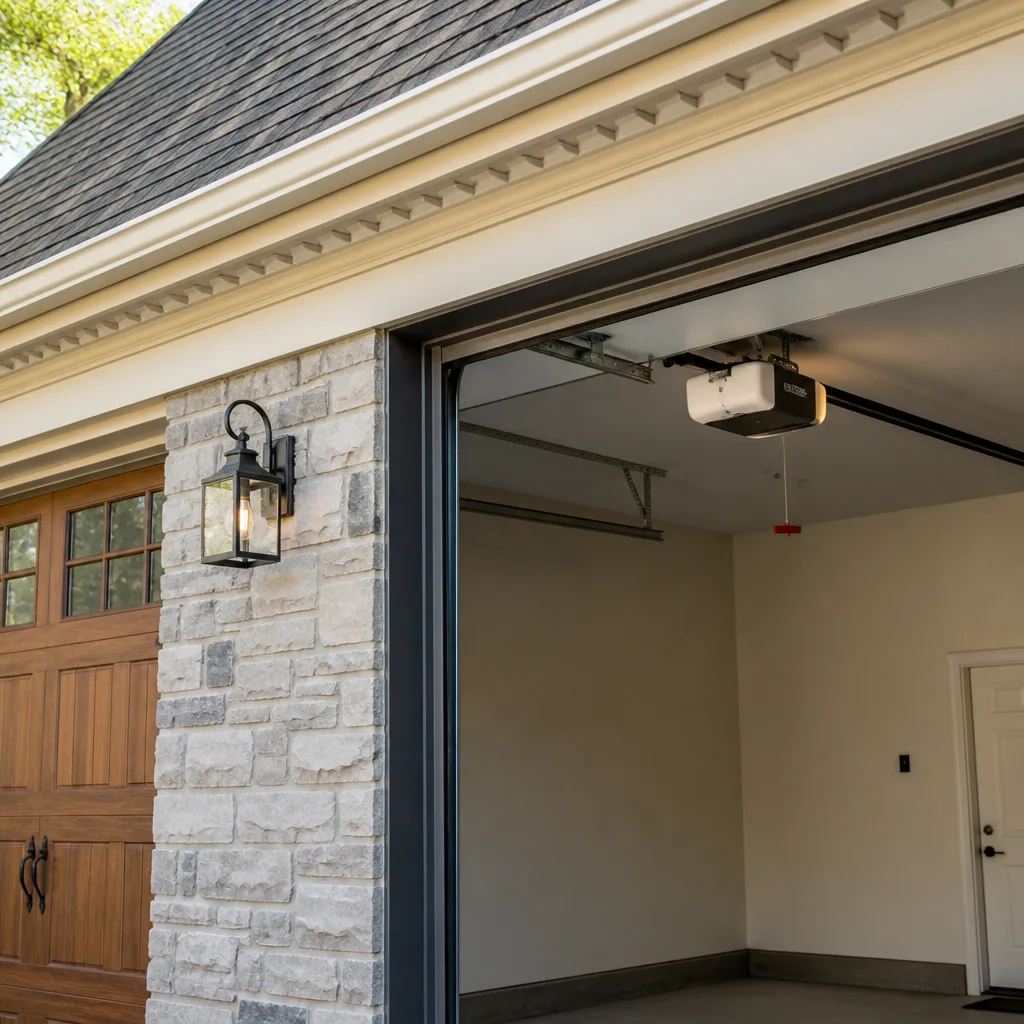
 Before
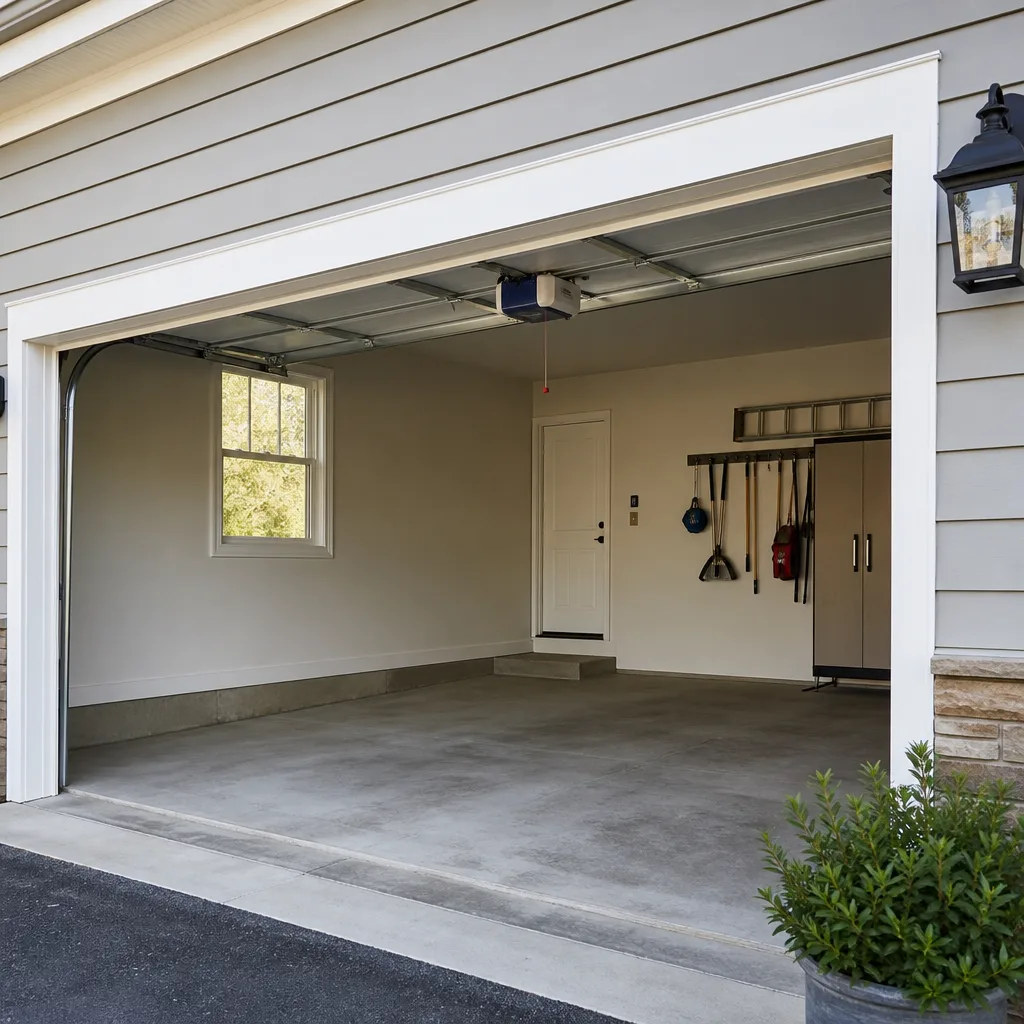
 After
After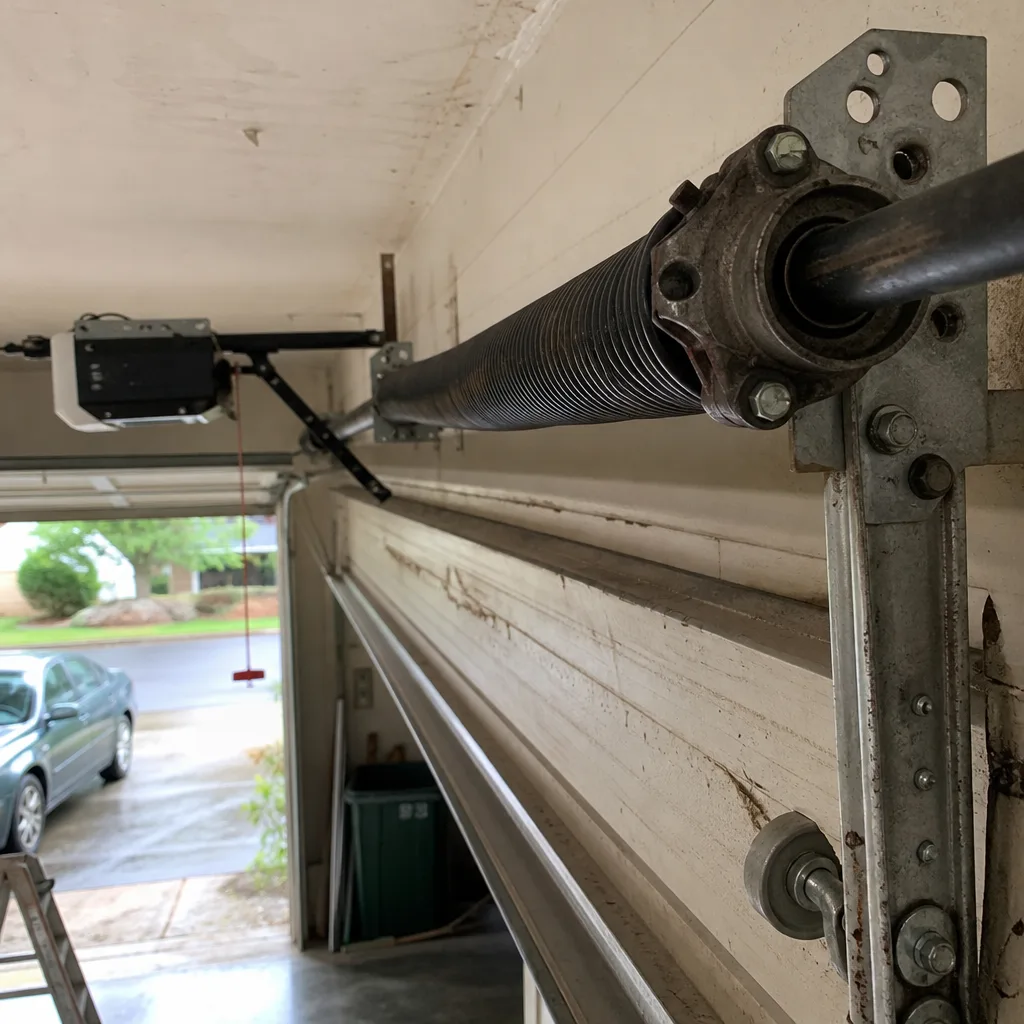 Before
 After
After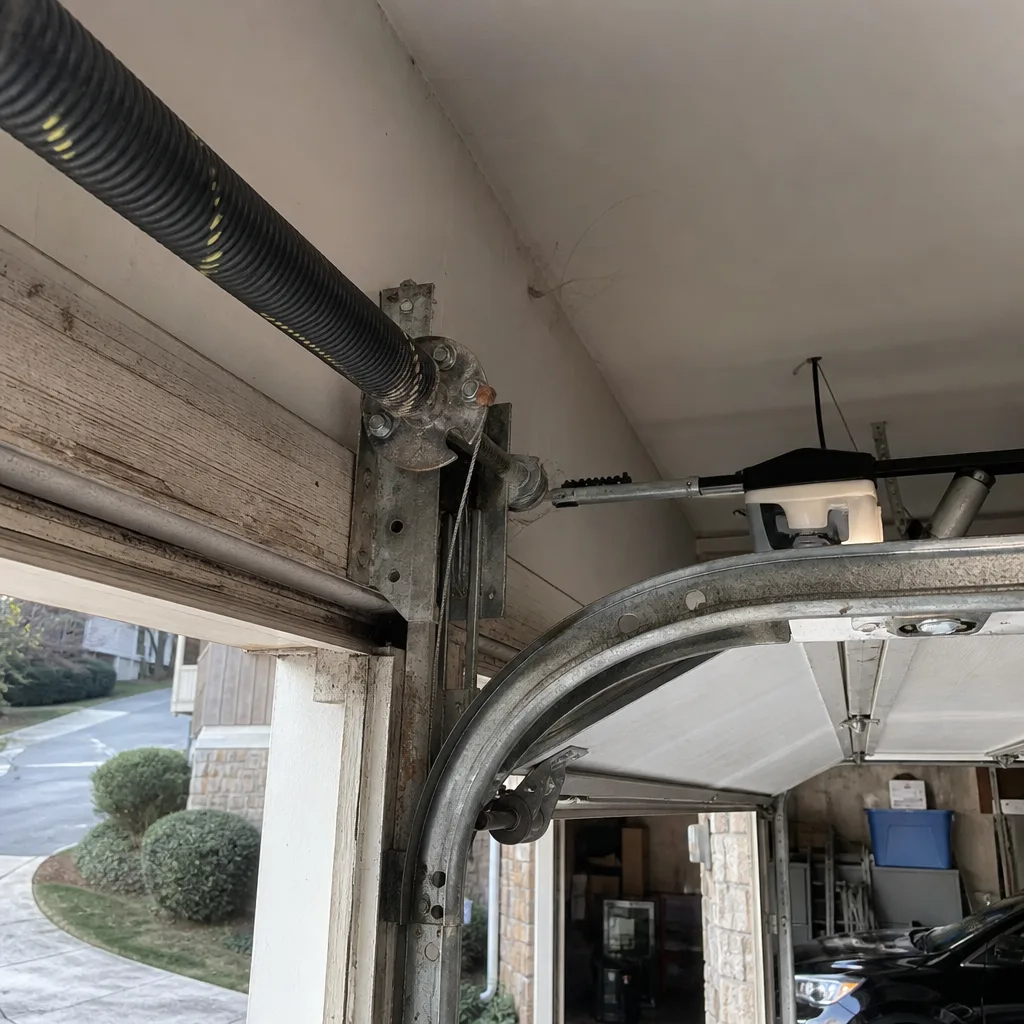 Before
 After
AfterWhen to Call a Professional
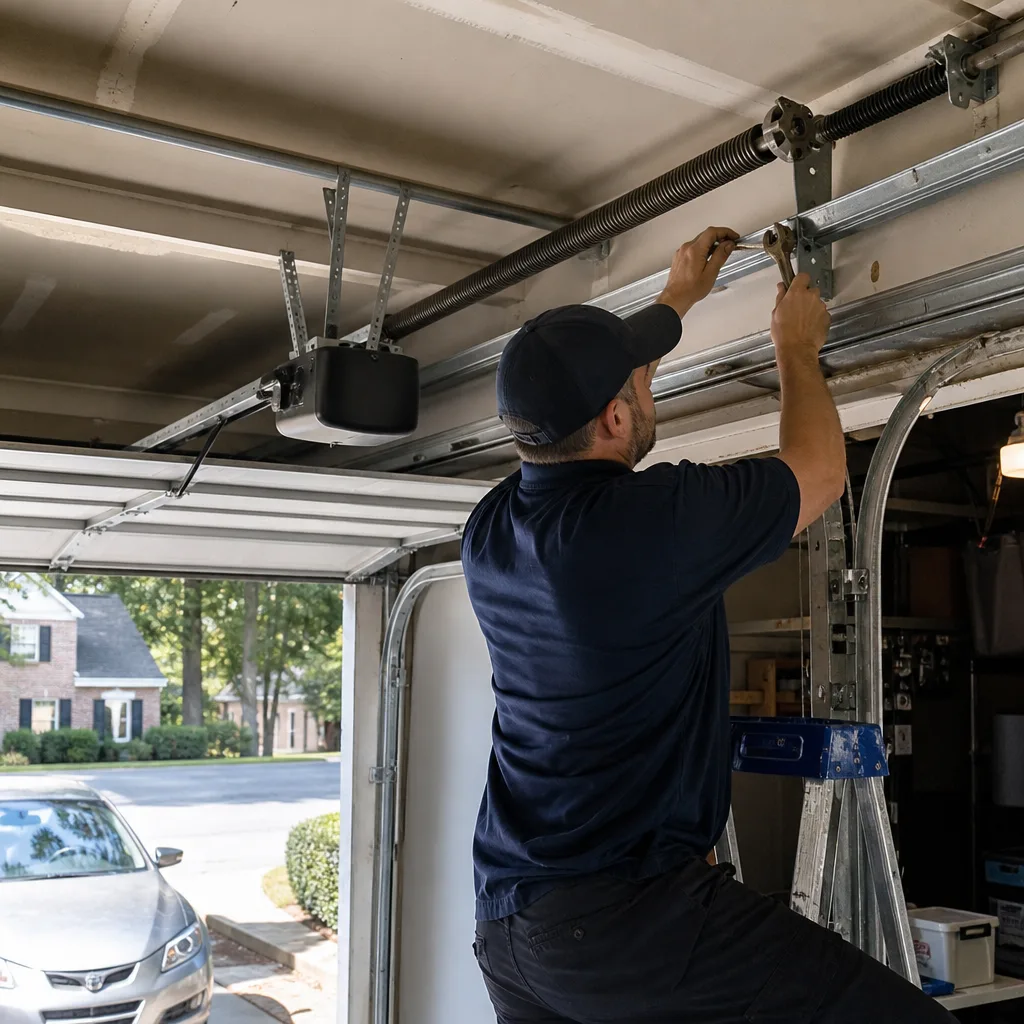
You should call a professional whenever the work involves springs, cables, or anything under tension. That covers the majority of garage door repairs. You should also call if the door is off its tracks, if the opener is making grinding noises, or if you’ve had a repair done by someone else and the problem returned within a few months. In our experience, a returning problem usually means the original repair was incomplete. That’s where the written guarantee matters. Brock Garage Doors Alpharetta offers free estimates in Alpharetta. Call (229) 404-6747 and a live person will answer.
Frequently Asked Questions
Most repairs in Alpharetta run between $150 and $400 depending on the component. Cable repairs typically cost $150 to $275, torsion spring replacement $180 to $340, and opener repairs $100 to $250. We provide a written quote before any work starts, so the number you approve is the number you pay. Call (229) 404-6747 for an exact quote on your door.
We service LiftMaster, Chamberlain, Genie, Clopay, Amarr, Wayne Dalton, Craftsman, and Raynor systems. Our technicians carry parts for all eight brands on the truck, which means most repairs are completed on the first visit rather than requiring a second trip for parts.
We offer same-day service for most repairs in Alpharetta, and our phone line is answered by a live person 24 hours a day, seven days a week, including holidays. Explore more guides & resources to keep your garage door running smoothly year-round. Call (229) 404-6747 and we’ll give you a real arrival window.
No. The written quote we hand you is the price. If we discover an additional issue during the repair, we stop and get your approval before adding anything. You never get a surprise invoice at the end of a job.
Yes. Our trucks are stocked with springs, cables, rollers, openers, and components for LiftMaster, Chamberlain, Genie, Clopay, Amarr, Wayne Dalton, Craftsman, and Raynor systems. Most repairs are completed on the same visit.
Every repair we complete is covered in writing for 365 days. If the same repair fails within that year, we return at no charge and correct it. The guarantee is included on the written quote you receive before work begins.
The Bottom Line
Your garage door is a system of six interdependent components, and ignoring any one of them accelerates wear on the others. Alpharetta’s large-format doors and humid climate put additional stress on springs, cables, and rollers, which means maintenance and early intervention matter here more than in drier climates with standard-sized doors. The best protection you have as a homeowner is knowledge: know what’s on your door, know the warning signs, and never accept a verbal estimate for work this important. A written price and a written guarantee are not extras. They’re the baseline. If your door is making noise, moving unevenly, or showing signs of wear, call (229) 404-6747 for a free estimate and a straight answer.
Written by Wade Mercer, Owner at Brock Garage Doors Alpharetta, serving Alpharetta since 2001.