
Last updated October 16, 2026
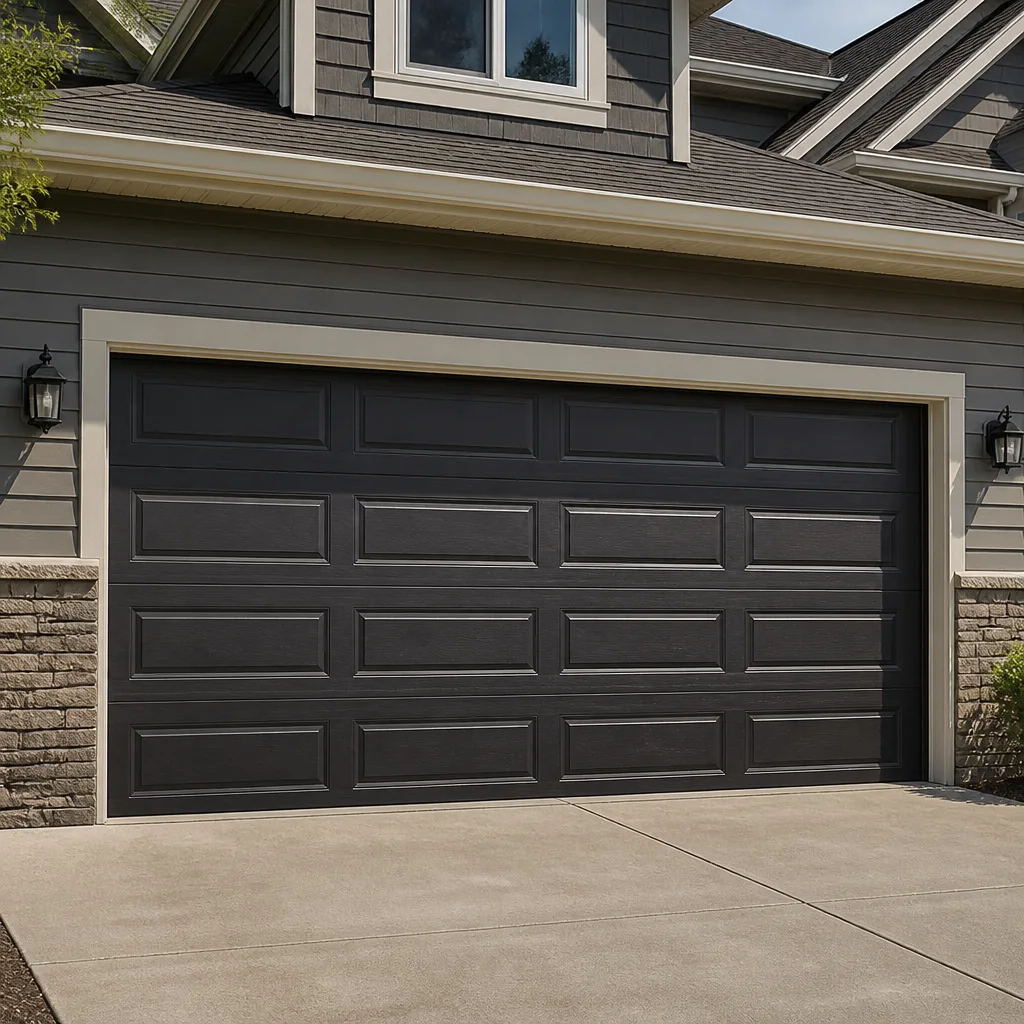 Raised-panel steel
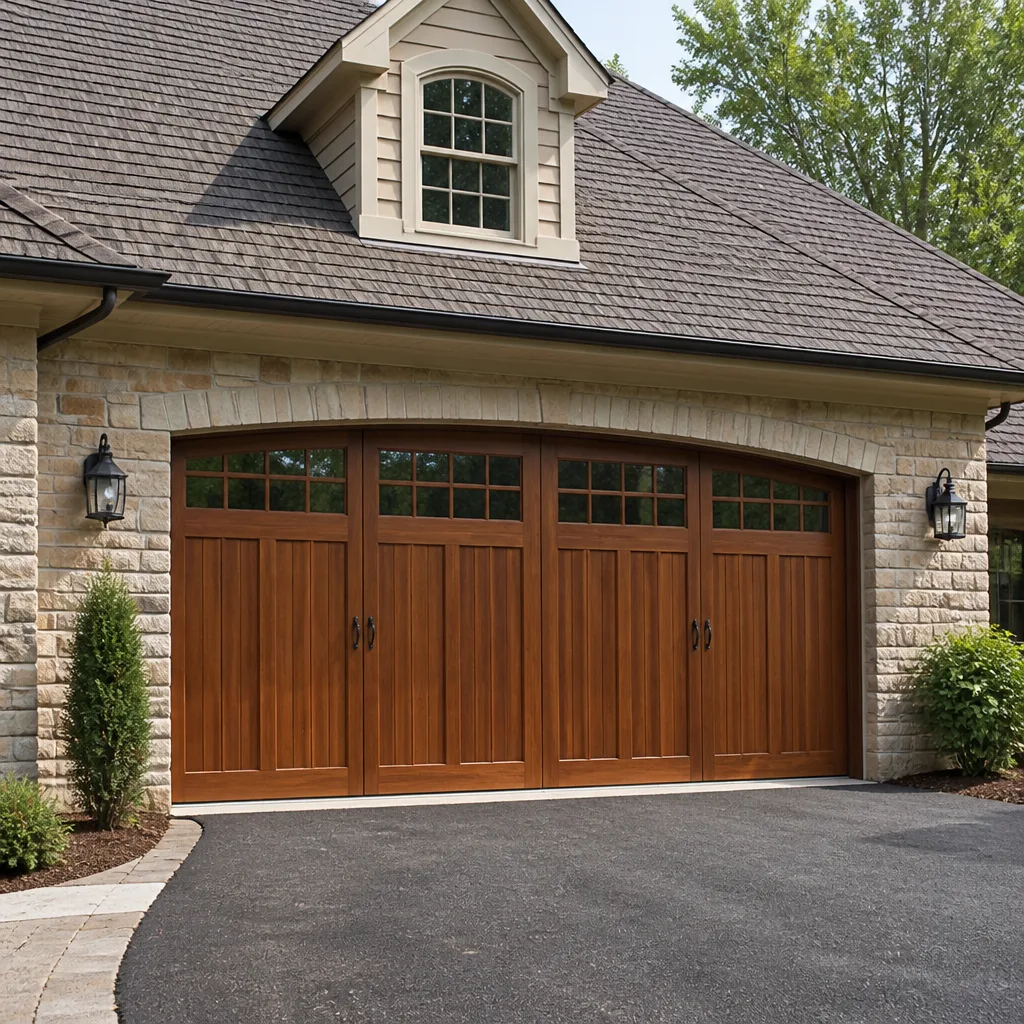 Carriage house
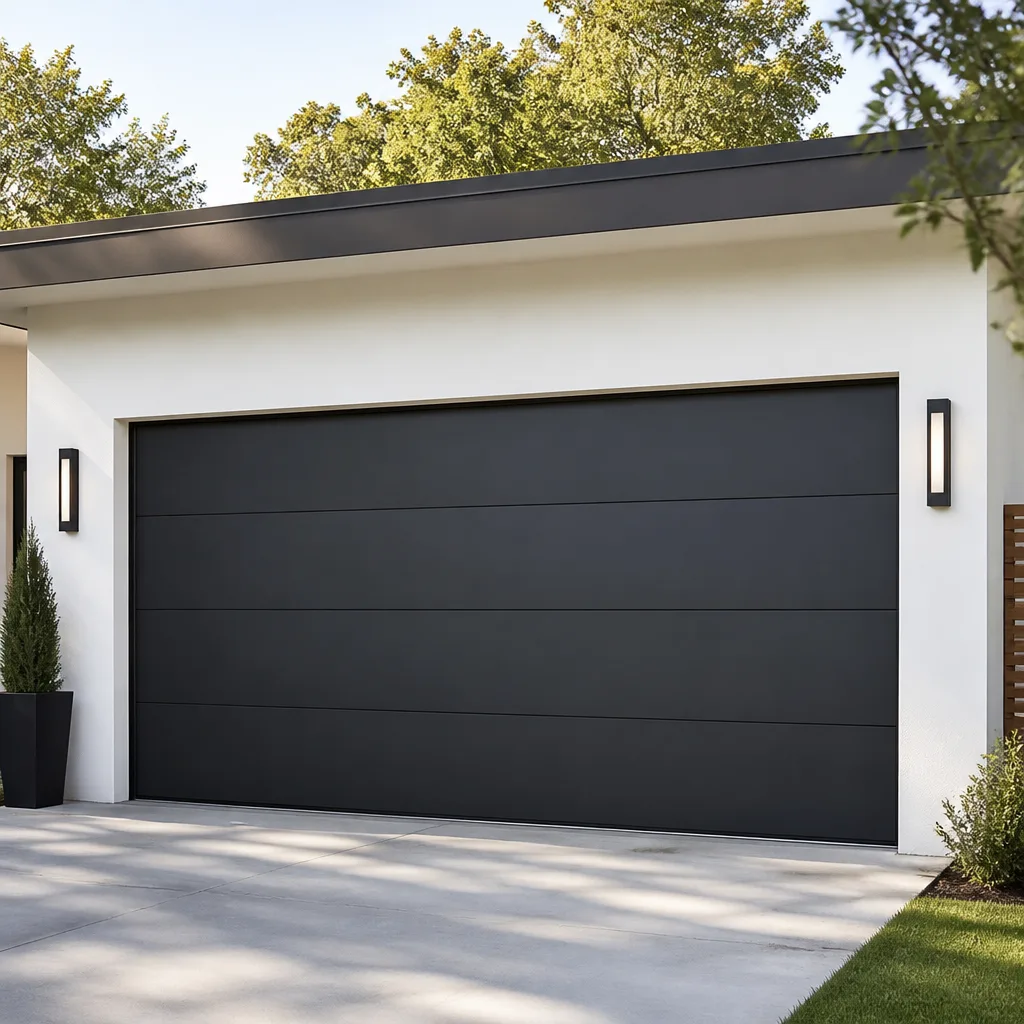 Modern flush
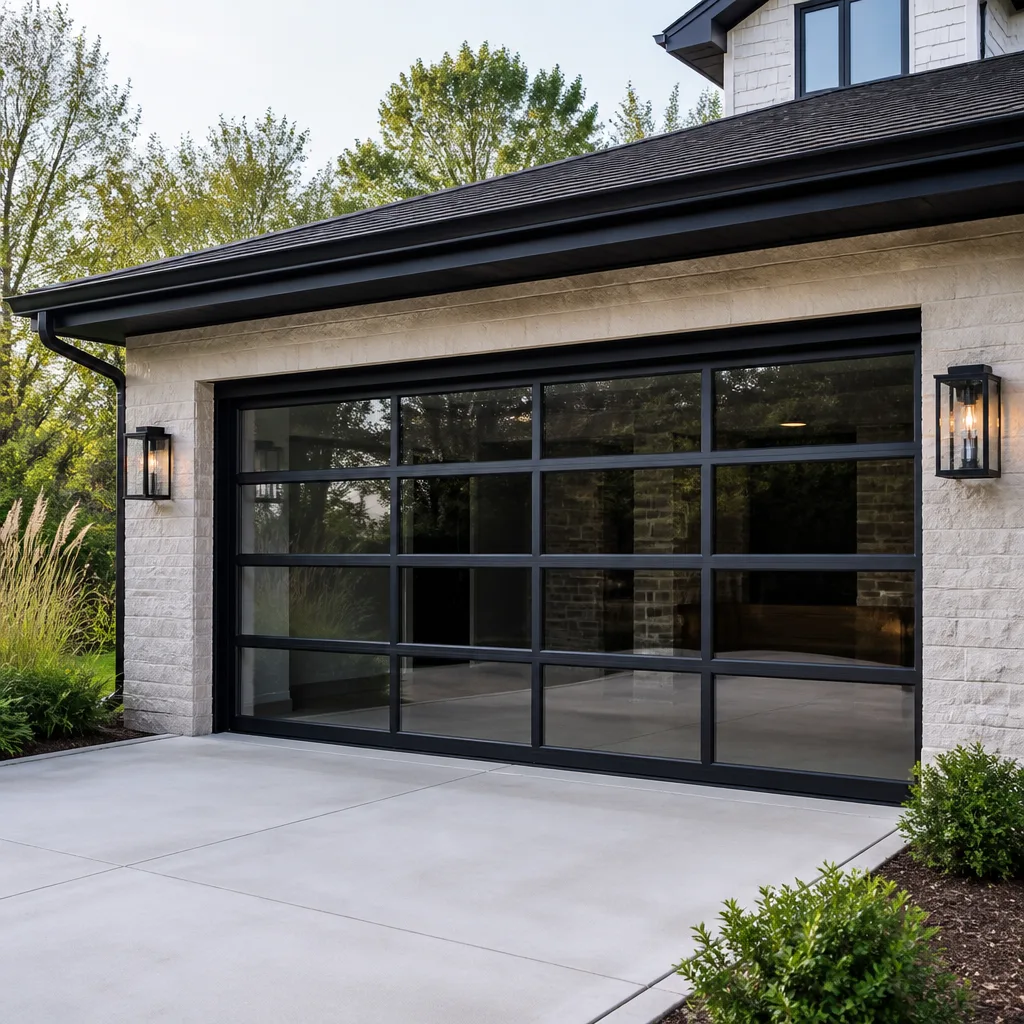 Full-view glass
 LiftMaster openers
 Chamberlain openers
Full 25-point door and opener safety check with every visit - springs, cables, rollers, tracks, and your LiftMaster or Chamberlain opener included
You get a price before we start. It does not change when the truck arrives.
Get your free estimateSeasonal Garage Door Care for Alpharetta: Year-Round Homeowner’s Guide
Most garage door maintenance schedules are written for climates that don’t exist here. A guide built for Minneapolis assumes six months of frozen hardware. One built for Phoenix assumes dry heat and dust. Alpharetta gets neither. We get thermal cycling – sustained warmth, then a hard freeze, then a thaw – sometimes inside the same week. That cycling is what loosens bolts, stresses torsion springs, and cracks weather seals years before their rated lifespan. This guide translates generic seasonal advice into what actually matters for a garage door in Alpharetta, season by season, with tasks you can finish in under 20 minutes per quarter. For a deeper dive, see The Complete Guide to Garage Door in Alpharetta.
Quick Answer
Seasonal garage door maintenance in Alpharetta means doing four short inspections per year – one per season – each focused on what that season actually does to your door: pollen and humidity buildup in spring, heat stress on openers and seals in summer, full hardware tightening and lubrication in fall, and freeze-thaw monitoring of springs and cables in winter. Most homeowners can handle the inspection and cleaning themselves in under 20 minutes per quarter. The payoff is avoiding the majority of emergency service calls, which in Alpharetta spike during the first hard freeze of winter.
Styles & brands we work with
Table of Contents
- Spring: Pollen, Humidity, and the Corrosion Problem
- Summer: Heat, Motors, and the Asphalt Effect
- Fall: The Most Important Maintenance Window in Alpharetta
- Winter: Freeze-Thaw Cycles and Spring Tension
- The 20-Minute Quarterly Task Matrix
- Common Mistakes to Avoid
- When to Call a Professional
- Frequently Asked Questions
Spring: Pollen, Humidity, and the Corrosion Problem
Spring in Alpharetta is beautiful and brutal on garage door hardware. The same pollen that coats your car in a yellow film settles into every crevice of your garage door system. And pollen isn’t just a cosmetic nuisance – it’s abrasive. It works its way into rollers, hinges, and the track. Combined with Georgia’s spring humidity, it forms a paste that accelerates metal corrosion on exposed hardware.
The two most common spring failures we see in Alpharetta are photo-eye sensor trips and weather seal degradation. The photo-eye sensors – the small units mounted near the floor on either side of the door opening – get coated with pollen and stop reading each other. The door reverses or refuses to close, and the homeowner assumes something is broken. Most of the time, it’s just a dirty lens.
Here’s the spring checklist, in order:
- Wipe the photo-eye sensors with a dry microfiber cloth. Don’t use glass cleaner – the residue attracts more pollen. A dry wipe takes 15 seconds.
- Check the weather seal along the bottom of the door and the side jambs. Humidity and pollen accelerate rubber degradation. Look for cracks, flattening, and gaps where light passes through.
- Spray the rollers and hinges with a silicone-based lubricant. Use a rag to catch overspray. Avoid WD-40 – it’s a solvent, not a lubricant, and it will strip the existing coating.
- Test the auto-reverse function by placing a roll of paper towels under the closing door. If it doesn’t reverse on contact, call a technician.
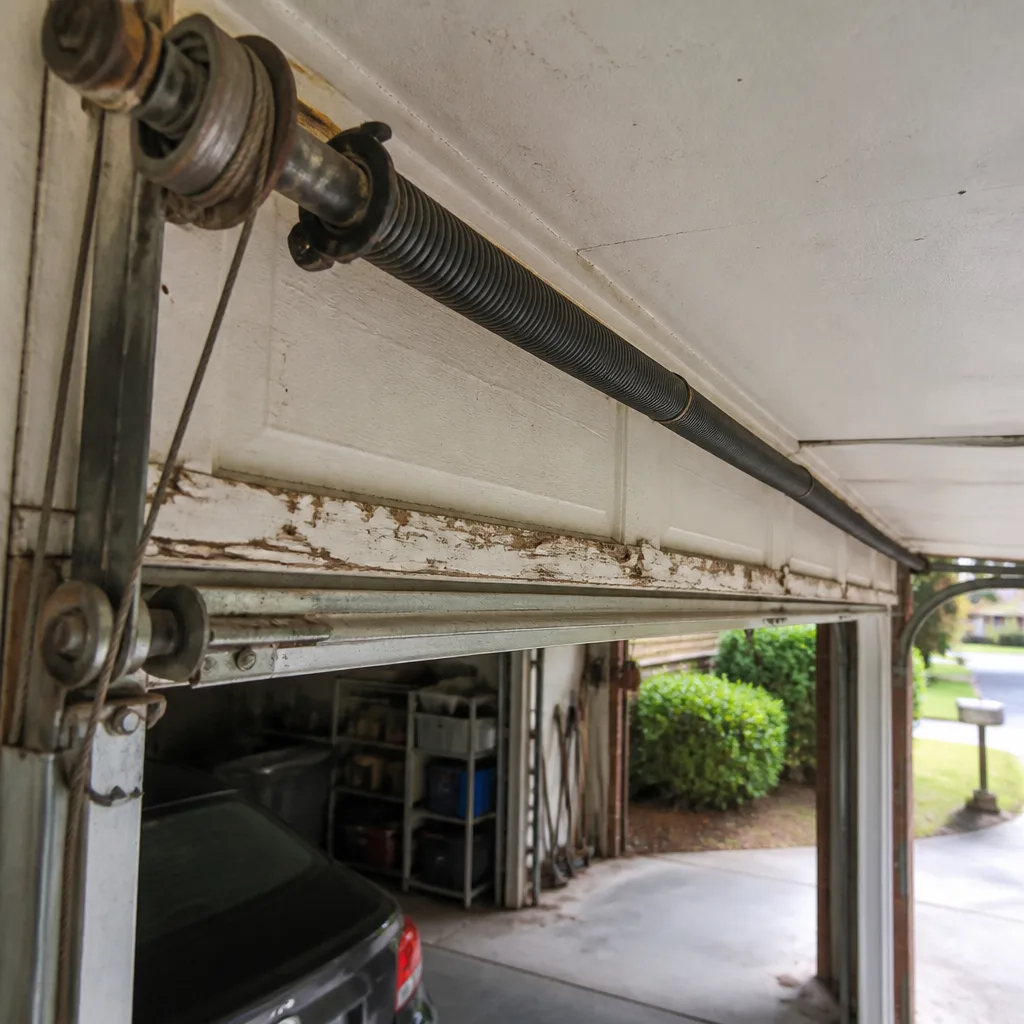
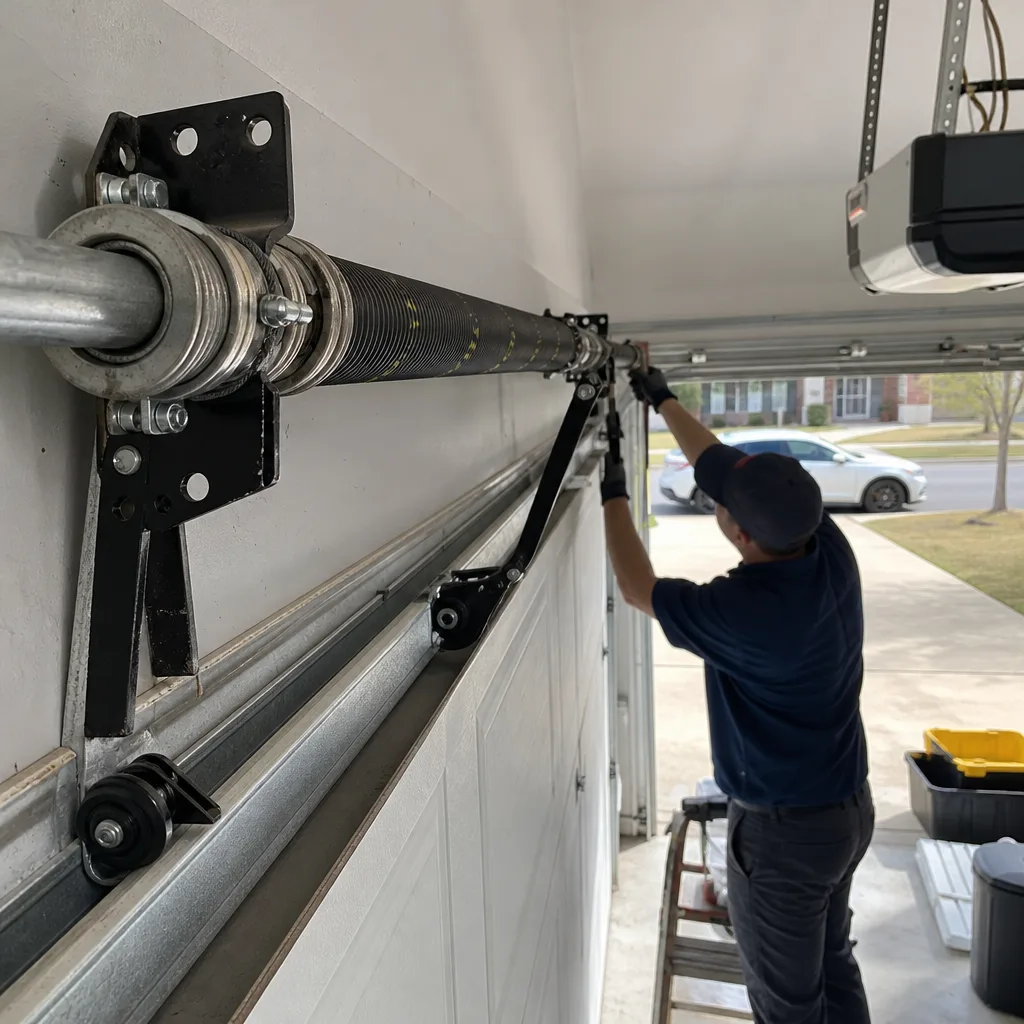
- Check the torsion spring – the thick coiled spring mounted above the door that bears most of the lifting load – for rust or gaps in the coil. A gap means the spring is already failing. Don’t touch it. Call a professional.
The humidity angle matters more than most people realize. Alpharetta’s spring humidity doesn’t just make pollen stick – it condenses on metal surfaces that are still cold from the previous night. That’s the recipe for corrosion. Hardware that was dry and functional in February can show rust by late April. A silicone lubricant applied in early spring creates a moisture barrier that carries you through the wettest months.
One regional note: pine pollen, which is heavy in the Alpharetta area in late March through early April, is particularly fine and gets into the opener’s motor housing. You don’t need to open the motor unit to clean it – compressed air through the vents works fine. Do it once in late April.
Summer: Heat, Motors, and the Asphalt Effect
Summer in Alpharetta is the season of thermal expansion. Garage door openers – the motorized units mounted to the ceiling – are rated to operate within a temperature range. Attic and garage temperatures in July and August can hit 110°F or higher if the garage isn’t insulated. That’s above the comfortable operating range for most residential openers. The motor doesn’t fail immediately, but it works harder. Capacitors age faster. Circuit boards run hot.
The symptom homeowners notice first is an opener that starts fine in the morning but stutters or shuts off mid-cycle in the afternoon. That’s the thermal overload protection doing its job. The motor is too hot, so it cuts power rather than burn out. The fix isn’t a new opener – it’s ventilation and, sometimes, a capacitor replacement.
The second summer-specific issue is what we call the asphalt effect. Most Alpharetta driveways are asphalt, and asphalt absorbs solar radiation all afternoon. By 5 p.m., the surface temperature of an asphalt driveway can reach 140°F or higher. The bottom seal of your garage door rests directly on that surface. Repeated daily heating softens the rubber, and over a single summer, the seal flattens and loses its shape. By September, gaps appear at the corners – exactly where water, bugs, and hot air get in.
Summer tasks:
- Test the opener at the hottest part of the day. Run a full open-close cycle at 3 p.m. If it hesitates or stops, the motor is thermally stressed. Note it.
- Inspect the bottom seal for flattening. Run your hand along the bottom edge. If the seal feels pancaked or you can see daylight at the corners, replace it before fall.
- Lubricate the chain or belt on the opener rail. Heat thins the existing lubricant and accelerates wear on the drive mechanism.
- Check for heat-warped panels. Metal doors facing direct afternoon sun can warp slightly, especially darker colors. A warped panel will bind in the track. If you see binding, call for an adjustment.
One thing you should not do in summer is leave the garage door partially open for ventilation during the day. It seems logical – let the heat out. But a partially open door leaves the torsion spring under partial load for hours at a time. Springs are designed to hold the door fully open or fully closed, not suspended in between. That sustained partial load shortens spring life.
Fall: The Most Important Maintenance Window in Alpharetta
If you only do one maintenance session per year, do it in October. Fall is the most important window for Alpharetta garage doors because it’s your last chance to correct hardware issues before the thermal cycling of winter begins. Every loose bolt, every dry roller, every worn cable gets tested by winter’s freeze-thaw cycle. Problems that are minor in October become emergency failures in January.
Fall is also when the temperature drops enough to make garage work comfortable, and the humidity drops enough that lubricants apply cleanly. It’s the ideal window for a full hardware inspection and lubrication cycle.
Here’s the complete fall service routine, in order:
- Tighten every bolt and nut you can see. Over a summer of thermal expansion and contraction, hardware backs off. Check the track brackets, the hinge plates on each panel, and the opener mounting straps. Use a socket wrench, not a screwdriver. If a bolt spins without tightening, the hole is stripped – that’s a professional fix.
- Lubricate all moving parts. Torsion springs, extension springs, rollers (the wheel part, not the track), hinges, and the opener rail. Use a white lithium or silicone spray. Less is more – you want a thin coat, not drips.
- Inspect the cables. The steel cables on either side of the door handle the lifting load under tension. Look for fraying, kinking, or rust. Cables don’t give much warning before they snap. If you see any damage, call a professional that week. Cable repair costs less than the damage a snapped cable causes.
- Check the balance. Disconnect the opener by pulling the red release handle, then manually lift the door to the halfway point. It should stay put. If it drops or shoots up, the springs are out of balance. That’s a torsion spring issue – call a pro.
- Clean the tracks. Use a dry rag to remove dust and debris from the vertical and horizontal tracks. Don’t use grease – tracks are designed to run clean.
Fall is also the right time to handle any Garage Door Repair in Alpharetta work you’ve been putting off. If your door has been noisy, slow, or slightly off-balance since spring, waiting until winter is asking for a breakdown during the coldest week of the year. Technicians are busiest in January and February in Alpharetta, and scheduling is hardest then. October and November are the sweet spot.
Winter: Freeze-Thaw Cycles and Spring Tension
Alpharetta winters are deceptive. The average low in January is around 32°F, but averages hide the volatility. A single week can run from 20°F overnight to 65°F in the afternoon. That oscillation – freeze, thaw, freeze, thaw – is harder on garage door components than a sustained deep freeze would be.
The component that feels it most is the torsion spring. Steel expands when warm and contracts when cold. Repeated thermal cycling stresses the metal at the molecular level, and a spring that’s near the end of its rated cycle life – usually 10,000 cycles, which translates to 7-10 years for most households – will fail during a cold snap rather than in August. Doors that opened fine in October sometimes struggle in January because the spring has lost tension through the cycling, and the colder metal is slightly stiffer.
Winter symptoms to watch for:
- The door opens slowly or feels heavy when you lift it manually. Cold lubricant is thicker, but a properly balanced door should still move with reasonable effort.
- The opener strains or reverses. If the opener’s force settings are marginal, cold-weather stiffness triggers the auto-reverse. The opener isn’t the problem – the balance is.
- Gaps appear at the bottom of the door. Frozen ground shifts slightly, and the bottom seal loses flexibility in cold weather. A small gap lets in cold air and rodents looking for warmth.
- The door sticks to the concrete. When the bottom seal freezes to the slab, the opener may strain or rip the seal. If you suspect the door is frozen to the ground, don’t force it. Break the ice seal with warm water around the bottom edge first.
One thing to check in winter that most guides miss: the emergency release cord. If your garage door opener has a cord hanging from the rail, make sure it hasn’t frozen stiff or become tangled. In a power outage – which Alpharetta gets during winter storms – you’ll need that cord to open the door manually. A quick tug test takes five seconds and confirms it’s operational.
If your Garage Door Opener Repair in Alpharetta needs attention, winter is the season to be proactive. Opener issues get worse in cold weather, not better. A motor that’s been struggling since fall will fail during the first hard freeze.
The 20-Minute Quarterly Task Matrix
If you want the simplest possible approach, here’s the entire year in one table. Each task takes under 20 minutes. Do these four times a year and you’ll catch most failures before they become emergencies.
| Season | Task | Time | Tool | Why It Matters in Alpharetta |
|---|---|---|---|---|
| Spring | Wipe photo-eye sensors, check weather seal, lubricate rollers and hinges | 15 min | Microfiber cloth, silicone spray | Pollen coating and humidity accelerate corrosion; sensor trips are the #1 spring service call |
| Summer | Test opener at 3 p.m., inspect bottom seal for flattening, lubricate opener rail | 20 min | Silicone spray, visual inspection | Asphalt heat flattens seals; motor thermal overload causes afternoon failures |
| Fall | Tighten all visible bolts, lubricate all moving parts, inspect cables, check balance | 20 min | Socket wrench, silicone spray | Last window before freeze-thaw cycling; loose hardware becomes winter breakage |
| Winter | Test manual lift effort, check for bottom gaps, test emergency release cord | 10 min | None | Freeze-thaw cycles stress springs; you need manual operation during power outages |
The tools are basic: a socket wrench set, a can of silicone spray, and a microfiber cloth. Total investment under $30. Total time commitment per year: about one hour. Compare that to the cost and inconvenience of a snapped cable or failed spring during a cold January morning, and the math makes itself.
Common Mistakes to Avoid
- Using WD-40 on the rollers and hinges. WD-40 is a solvent, not a lubricant. It strips existing lubricant and leaves the metal dry, which accelerates wear. Use white lithium or silicone spray instead.
- Ignoring a door that’s slightly off-balance. A door that’s 10% out of balance doubles the load on the opener and the springs. What feels like a minor annoyance in October becomes a snapped spring in January.
- Lubricating the track. The track is designed to run dry. Grease or oil in the track catches dirt and creates a grinding paste. If your door is noisy, the problem is the rollers or hinges, not the track.
- Waiting to test the auto-reverse until after a problem happens. The auto-reverse is a safety feature, not a convenience. Test it monthly with a roll of paper towels. If it doesn’t reverse, the door is unsafe.
- Forcing a frozen door. If the door is frozen to the slab and you hit the opener, the opener strains against the ice. That’s how you strip gears or snap cables. Thaw the seal first with warm water, then operate the door.
- DIY torsion spring work. Torsion springs are under extreme tension. A spring that lets go can cause serious injury. This is not a YouTube tutorial situation. Call a licensed professional.
- Skipping fall maintenance because the door “seems fine.” The whole point of fall maintenance is that the door’s winter failure won’t announce itself in advance. Springs and cables fail suddenly, usually under cold-weather stress. The fall inspection is your only early warning system.
When to Call a Professional
Some garage door issues are safe to handle yourself. Most of what’s in this guide – cleaning, lubricating, inspecting – falls into that category. For help deciding what to tackle yourself, read DIY vs Professional Garage Door: The Alpharetta Homeowner’s Decision Guide. But three situations require a trained technician, no exceptions. First, any torsion spring issue: visible gaps in the coil, rust, or a door that won’t stay balanced. Second, any cable problem: fraying, kinking, or a cable that has come off the drum. Third, any opener electrical issue: burning smell, intermittent power, or a motor that trips its thermal overload every afternoon.
In Alpharetta, Brock Garage Doors Alpharetta home – Garage Door Cable Repair in Alpharetta – offers free estimates across the area. We work on Chamberlain, Genie, and Clopay systems, among others, and our technicians are background-checked and uniformed. Call (229) 404-6747 and a real person answers, at any hour.
Frequently Asked Questions
Lubricate all moving parts – rollers, hinges, springs, and the opener rail – twice a year in Alpharetta’s climate: once in early spring and again in fall. The spring application protects against humidity-driven corrosion, and the fall application prepares the door for winter’s freeze-thaw cycling. Use a silicone or white lithium spray, not WD-40. If you notice squeaking between scheduled lubrications, apply a light coat to the affected part. Call (229) 404-6747 if the noise persists after lubrication – that usually means a worn roller or hinge.
DIY maintenance costs under $30 per year for lubricant and basic tools. A professional tune-up in Alpharetta typically runs $85 to $150 depending on the door type and what’s included. See our Garage Door Cost Breakdown: The Alpharetta Homeowner’s Reference for 2026 for full pricing details. Most tune-ups cover lubrication, hardware tightening, balance testing, and a safety check. It’s a fraction of what an emergency spring replacement costs, which typically runs $180 to $340 in the Alpharetta market. Call (229) 404-6747 for a written quote – the price is always confirmed before any work starts.
Cold temperatures make garage door lubricant thicker and metal components slightly stiffer, which increases resistance. If your door is already slightly out of balance, the added cold-weather resistance is enough to trigger the opener’s auto-reverse or overload protection. The underlying issue is usually spring tension that has dropped over time, not the cold itself. A door that struggles in winter is telling you the springs need adjustment or replacement. Call (229) 404-6747 for a free balance assessment.
No. Torsion springs are under enough tension to cause serious injury or death if they release suddenly. The winding and unwinding process requires specialized tools and training. What you can do yourself is inspect the spring for visible problems – gaps in the coil, rust, or a door that won’t stay balanced when you lift it manually. If you see any of those signs, call a professional. Most spring repairs in Alpharetta run $180 to $340, and reputable companies complete the work same-day.
October. Fall gives you the most comfortable working temperatures, the lowest humidity, and a full picture of any wear that accumulated over the summer. More importantly, an October tune-up means your door goes into winter’s freeze-thaw cycling with tight hardware, fresh lubrication, and balanced springs. That’s the difference between a door that handles January without issue and one that snaps a cable during the first hard freeze. Call (229) 404-6747 to schedule a fall inspection – estimates are free.
Most residential torsion springs are rated for 10,000 cycles, which translates to roughly 7 to 10 years for the average homeowner. Alpharetta’s freeze-thaw cycles and humidity can shorten that lifespan slightly by accelerating corrosion and adding thermal stress. If your spring is 7 years old or older and you’re noticing the door feeling heavier, schedule an inspection before it fails. A broken spring usually happens when the door is closed, which means you can’t get your car out until it’s fixed.
The Bottom Line
Alpharetta’s climate is hard on garage doors in ways the national maintenance guides don’t fully capture. Pollen and humidity in spring, asphalt heat in summer, and freeze-thaw cycling in winter each attack different components. The good news: four short maintenance sessions per year, totaling about an hour, prevent most emergency failures. Tighten the hardware in October. Lubricate in April and October. Check the balance before winter. Test the safety reverse monthly. When something does go wrong – and eventually it will – handle it before it becomes an emergency. Repairs are cheaper than replacements, and scheduled work is cheaper than emergency calls. That’s the whole game.
Written by Wade Mercer, Owner at Brock Garage Doors Alpharetta, serving Alpharetta since 2001.
See the difference
 Before
 After
After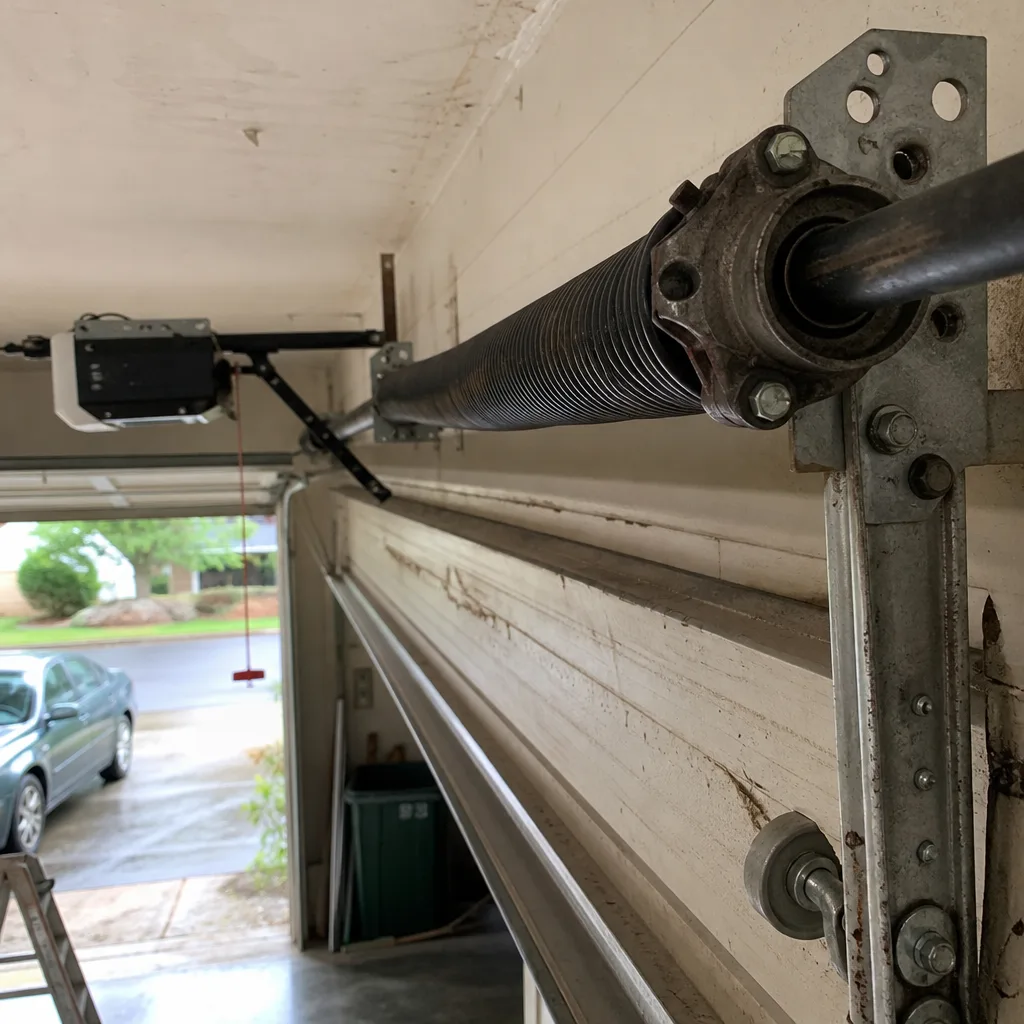 Before
 After
After Before
 After
After