
Last updated October 16, 2026
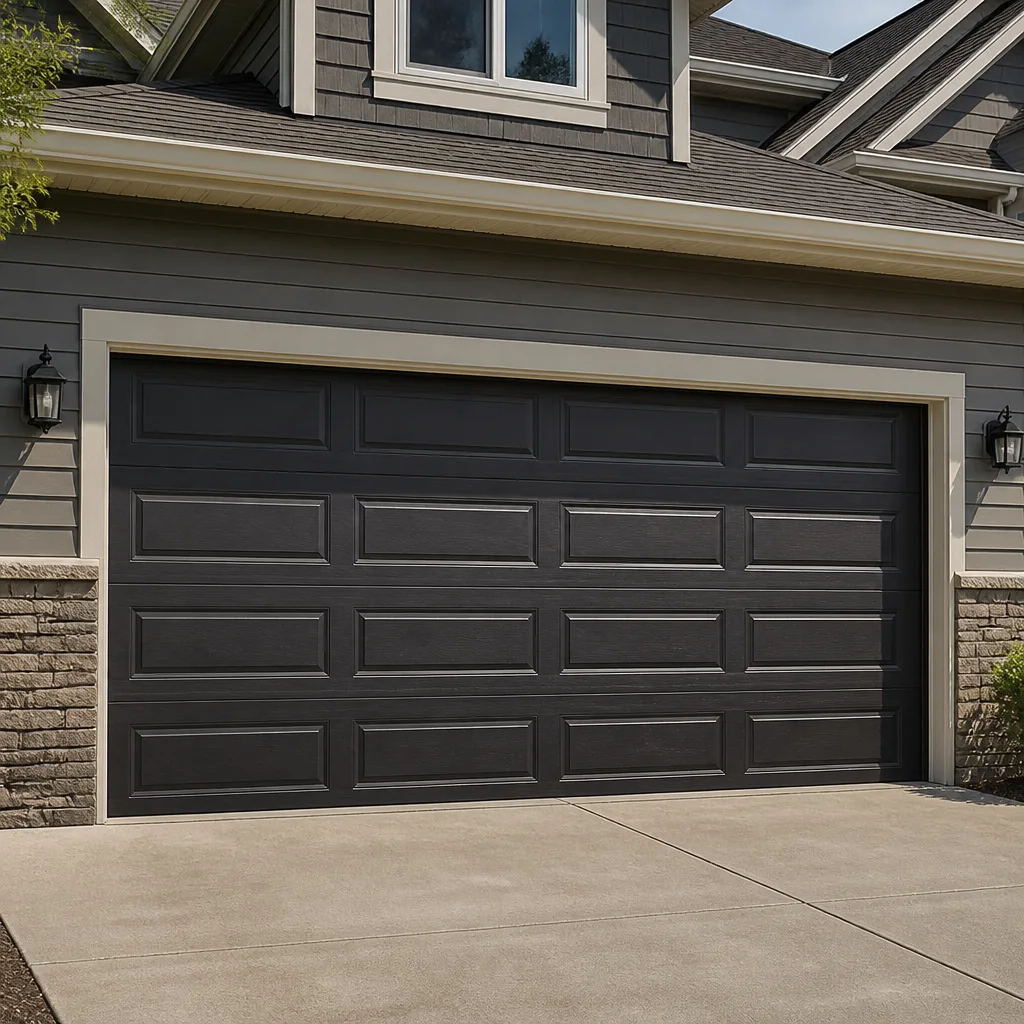 Raised-panel steel
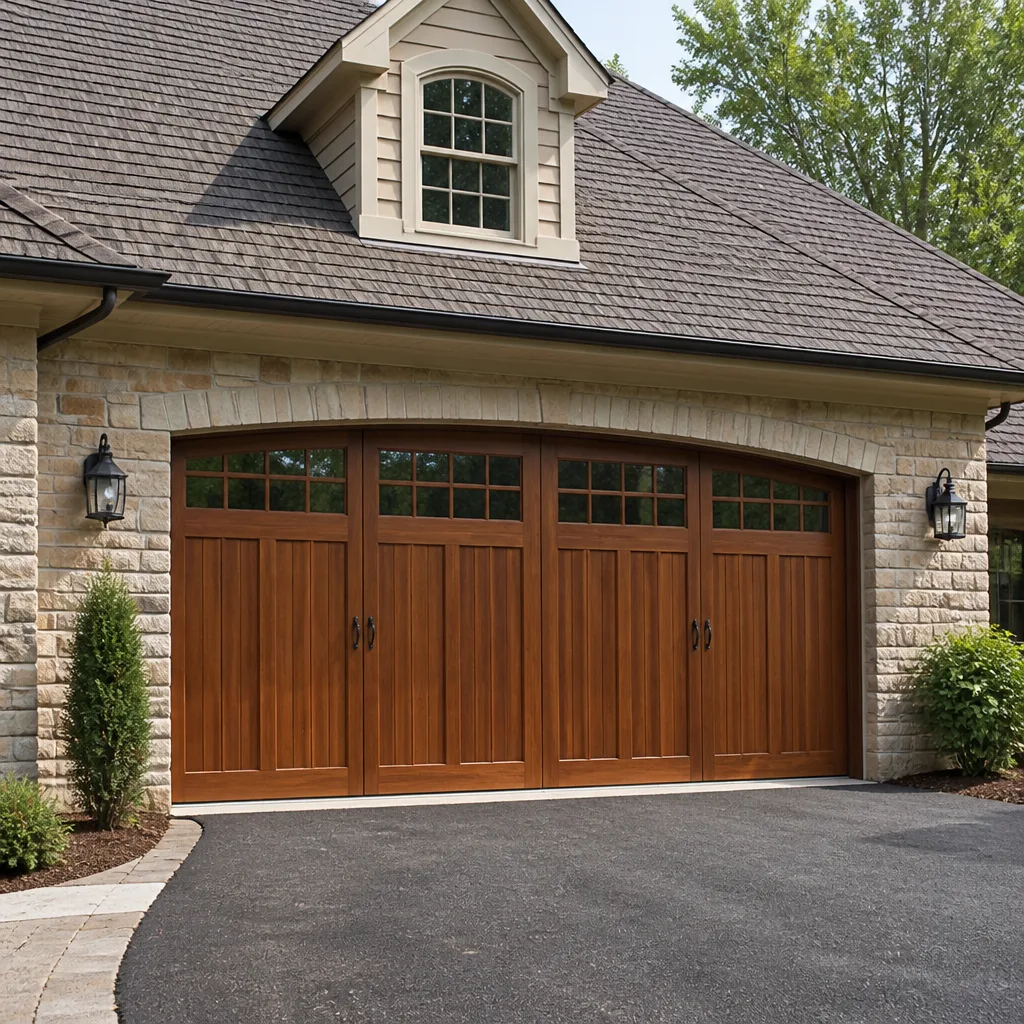 Carriage house
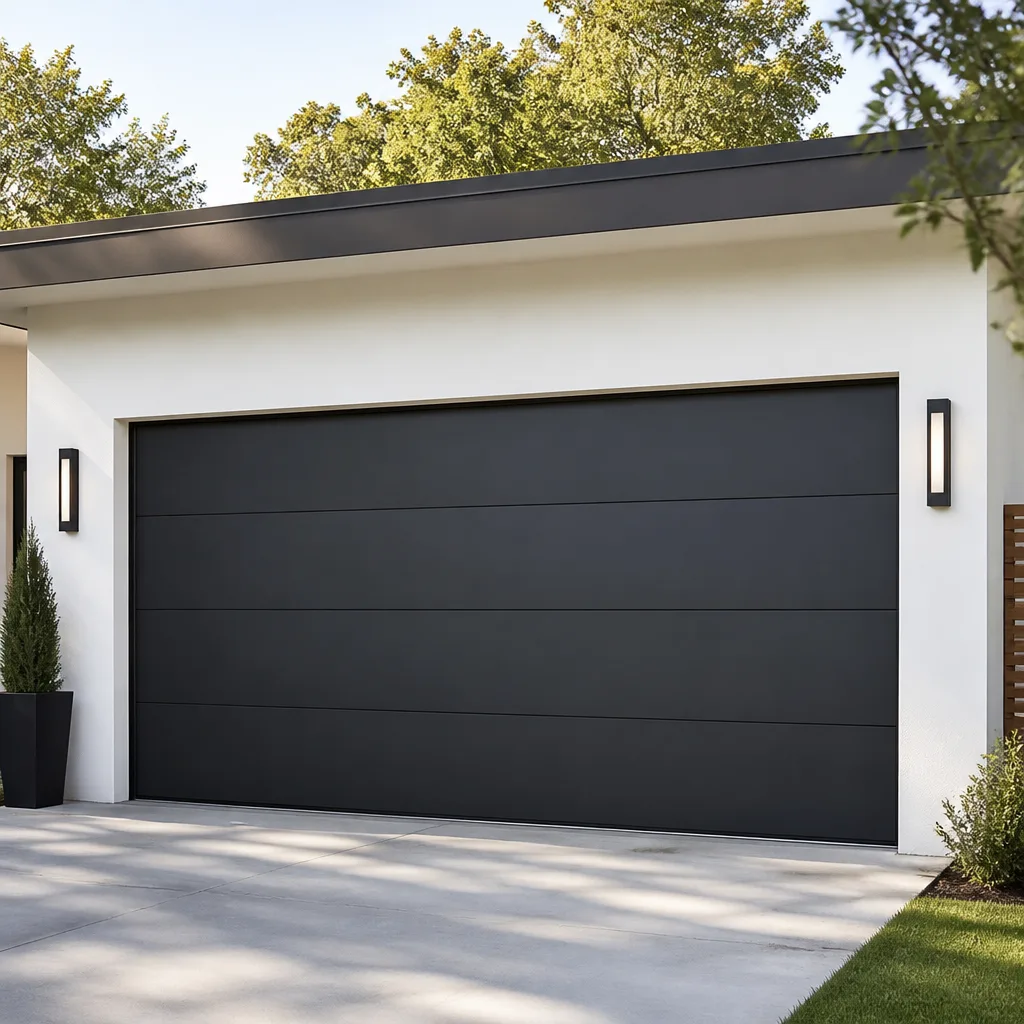 Modern flush
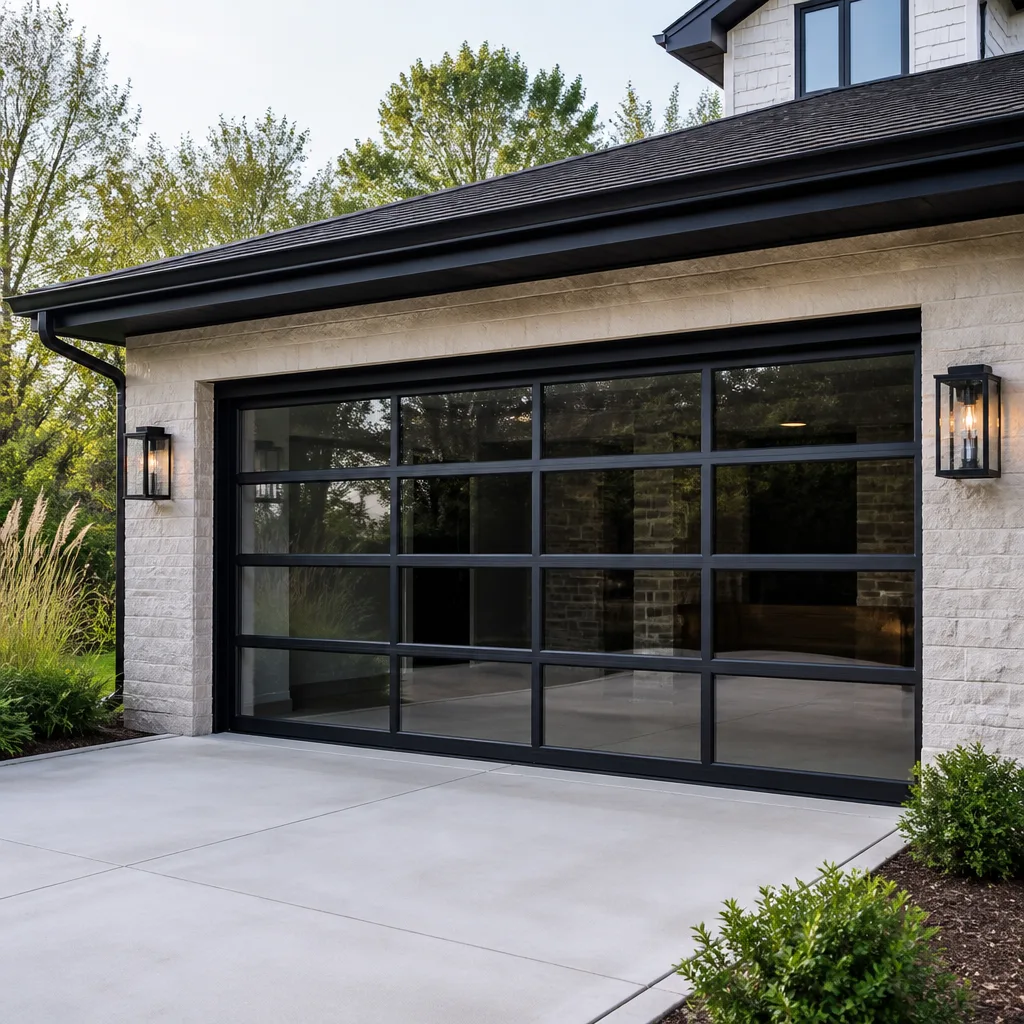 Full-view glass
 LiftMaster openers
 Chamberlain openers
Full 25-point door and opener safety check with every visit - springs, cables, rollers, tracks, and your LiftMaster or Chamberlain opener included
You get a price before we start. It does not change when the truck arrives.
Get your free estimateGarage Door Warning Signs: A Alpharetta Homeowner’s Reference Guide
A garage door doesn’t just fail. It tells you it’s going to fail for weeks beforehand. Most homeowners just don’t know what they’re hearing. In Alpharetta, where garage doors cycle open and closed multiple times a day during the school year and the summer heat puts real stress on metal parts, those warning signs show up earlier than they do in cooler climates. This guide maps the sounds, sights, and movements your door makes to the specific components responsible, so you get a scheduled repair instead of a 7 a.m. emergency when the door won’t open and the car is trapped inside. For a deeper dive, see The Complete Guide to Garage Door in Alpharetta.
Styles & brands we work with
Quick Answer
Most garage door failures announce themselves through four channels: sound (grinding, squealing, popping, rattling), sight (frayed cables, rust on springs, uneven gaps at the floor), movement (reversing for no reason, one side dropping faster, slow descent), and age (springs and rollers have measurable life spans). Grinding rollers, frayed cables, and a door that reverses without obstruction are all signs that need attention within a week. A snapped torsion spring, a cable that has already let go, or a door that won’t stay open means stop using the door today and call a professional. In Alpharetta, catching these signs early typically turns a $150 spring repair into a $600 emergency call.
Table of Contents
- Sound Diagnostics: What Your Garage Door Is Telling You
- Visual Warning Signs Most Homeowners Miss
- Movement Warning Signs: Reversing, Dropping, and Slowing
- How to Decide: Fix This Week or Stop Using the Door Today
- The Cost of Ignoring a Warning Sign: A Real Repair Sequence
- How Alpharetta’s Climate and Housing Stock Affect Garage Door Wear
- Brand-Specific Warning Signs: Genie, Clopay, Amarr, and Wayne Dalton
- A Simple Preventive Checklist for Alpharetta Homeowners
Sound Diagnostics: What Your Garage Door Is Telling You
Sound is the most reliable early warning system your garage door has. Each distinct noise corresponds to a specific component under stress. Learning to distinguish them is the difference between a $90 fix and a $600 repair. Here is what we hear most often on service calls across Alpharetta.
Grinding or Gravel-in-the-Gears Sound
Grinding almost always points to the rollers. The small wheels that carry the door along the metal track wear out over time. Steel rollers with unsealed bearings collect Alpharetta’s red clay dust and grit, which grinds down the bearing until the roller stops spinning and starts sliding. If you hear grinding, the rollers are already past their service life. Replacing all rollers on a typical two-car door runs $90 to $160, including parts and labor. Left unchecked, worn rollers score the track, which means a full track replacement at $300 to $600.
Squealing or High-Pitched Screeching
Squealing is friction. The most common sources are dry hinges, a dry torsion spring, or rollers that have lost their lubrication. We recommend a garage door lubricant, not WD-40, applied to hinges, springs, and roller bearings twice a year. In Alpharetta’s humid summers, lubricant breaks down faster than it does in drier climates, so a spring and fall schedule matters. Our Seasonal Garage Door Care for Alpharetta: Year-Round Homeowner’s Guide walks you through what to do each season. If the squeal persists after lubrication, the roller bearings are likely shot and need replacement.
Popping or Snapping During Operation
A single sharp pop during door operation often comes from a torsion spring, the thick coiled spring mounted above the door that bears most of the lifting load. Springs don’t usually fail silently. They bind, slip slightly on the shaft, or develop a small crack that pops as it flexes. If you hear a pop and the door still works, you have a narrow window, usually days to a few weeks, before the spring lets go completely. A spring that snaps while the door is open can send the door crashing down. This is a stop-using-the-door-until-inspected situation. Spring replacement in Alpharetta typically runs $180 to $340 per spring, and most doors have two springs that should be replaced together.
Rattling or Loose Hardware Sound
Rattling is almost always hardware coming loose. The nuts and bolts that hold the track brackets, hinge plates, and opener mounts to the framing vibrate loose over hundreds of open-close cycles. A rattling door is a door that is slowly working itself apart. Loose track brackets allow the track to flex, which throws the door out of alignment and accelerates roller wear. Tightening hardware is a $60 to $90 service call. Straightening a track that fell out of alignment because the bracket gave way is a $200 to $400 repair.
Visual Warning Signs Most Homeowners Miss
You don’t need to touch anything to spot trouble. A 20-second visual check once a month catches the warning signs that sound won’t reveal. Here is what to look for when you walk through your garage or pull into the driveway.
Frayed or Fraying Cables
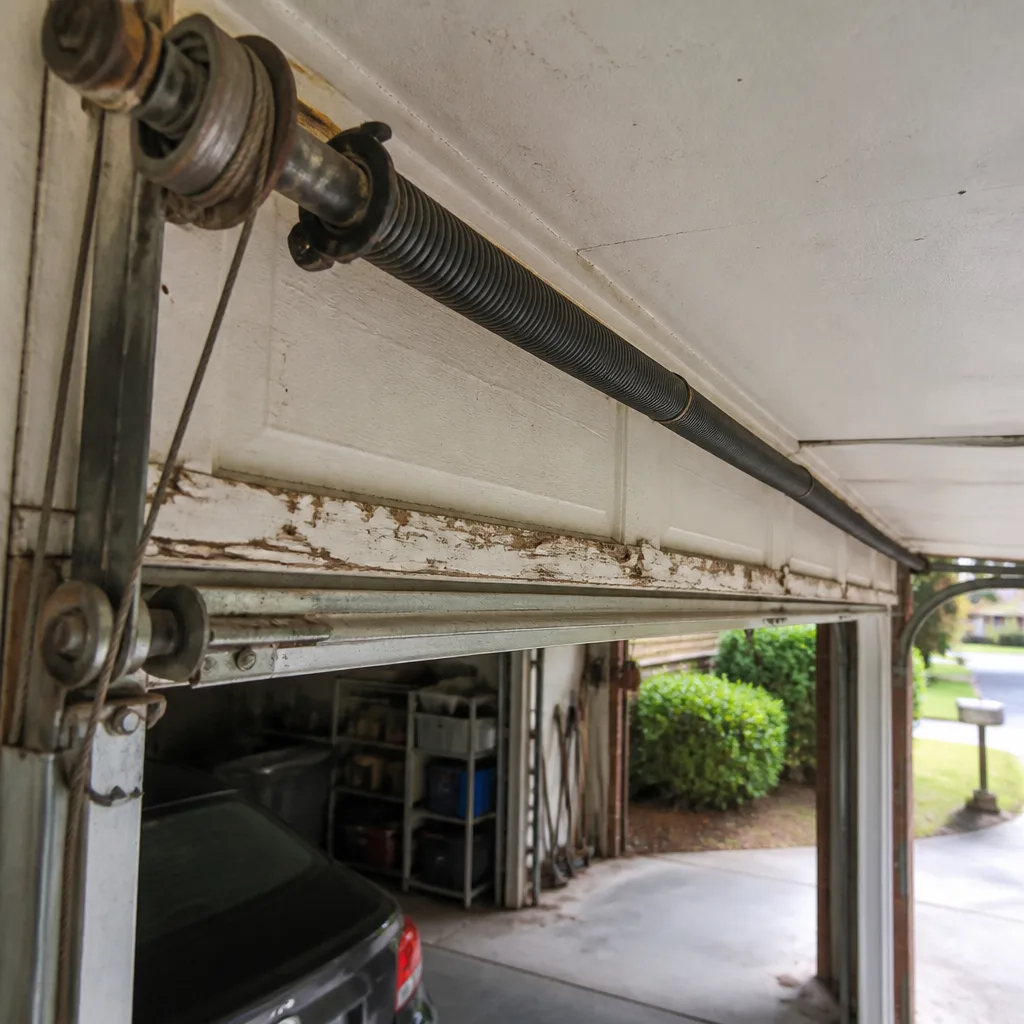
The cables that run along both sides of the door carry significant tension. Over time, individual strands in the braided steel cable begin to break. What you’ll see first looks like fuzz or a few hairs sticking out of the main cable line. That is the cable unraveling. Once a cable frays, it can snap with very little warning. A snapped cable under the door is a dangerous situation, and so is a door that suddenly carries its entire weight on one cable. If you see any fraying, learn about our garage door cable repair in Alpharetta and call before the cable fails. Most cable replacements run $150 to $275, depending on cable type and drum condition.
Rust Patterns on Torsion Springs
Torsion springs are under constant tension, even when the door is closed. Surface rust is not automatically a problem, but rust that forms in rings around the coil is worth a closer look. That pattern often indicates the spring is rubbing against itself as it winds and unwinds, which creates friction, heat, and eventually metal fatigue. Springs also have a service life measured in cycles, not years. A standard spring lasts about 10,000 cycles, which translates to roughly 7 to 9 years for a typical Alpharetta two-car household. If your springs are rusted and you can’t remember the last time they were replaced, they’re probably close to the end.
Uneven Gap at the Floor Seal
Stand inside the garage with the door closed and look at the line of light along the floor. If you see daylight on one side but not the other, the door is out of level. This usually means the springs are unevenly worn, one cable has stretched, or the door itself has settled. An uneven door puts uneven stress on every component, which shortens the life of rollers, hinges, and the opener motor itself. In Alpharetta, where many homes sit on red clay that shifts with moisture, door frames settle over time, and that settlement shows up first as an uneven floor gap.
Worn or Crumbling Weather Stripping
The rubber strip along the bottom of the door keeps out water, dirt, and the occasional field mouse. When it cracks or crumbles, water gets in during Alpharetta’s heavy summer thunderstorms, which rusts the bottom panel and shortens the life of the door itself. The weather seal is a $40 to $80 part. Replacing a rusted bottom panel on a Clopay or Amarr door is a $250 to $450 repair.
Movement Warning Signs: Reversing, Dropping, and Slowing
How the door moves tells you as much as how it sounds. Watch the door run through a full cycle with the opener and then, if you’re comfortable, disconnect the opener and lift the door by hand. The hand test reveals spring condition better than any other check a homeowner can do.
The Door Reverses Without Obstruction
If the door starts down, stops, and reverses without anything in the way, the opener’s force sensor is detecting resistance. That resistance usually comes from the door binding in the tracks, worn rollers dragging, or springs that have lost tension and can’t counterbalance the door properly. The opener is doing its job, refusing to close a door that isn’t moving smoothly. Many people respond by increasing the opener’s force setting. Do not do this. The force setting exists to protect people and pets from a closing door. If you override it, you remove the safety stop that just warned you something is wrong. The fix is to address the binding, the rollers, or the springs, not to make the opener push harder.
One Side Drops Faster Than the Other
Watch the top edge of the door as it travels. If one side consistently lags, you likely have a stretched cable on that side, a track that is out of alignment, or uneven spring wear. A door that descends unevenly puts lateral load on the tracks and hinge plates, which accelerates wear and can eventually force the door off its track entirely. A door off its track is a stop-using-it-today condition. The repair is often a seized roller replacement or a track realignment, but if the cause is a worn spring or stretched cable, replacing just the roller won’t hold.
The Door Closes Too Fast or Slams the Last Few Inches
A properly balanced door should close smoothly and come to rest without slamming. When the springs weaken, they can no longer counterbalance the full weight of the door. The opener then struggles to control the descent, and the door drops faster than it should or slams down in the final stretch. This is a spring condition issue, and it will not improve on its own. Each cycle applies more strain to the opener gear and the door panels. If you want to see what a garage door repair call looks like when you catch it in the warning phase rather than the failure phase, here is how our Alpharetta repair service works on standard spring problems.
The Door Moves Slowly or Hesitates
A slow door is usually a door that is working against itself. The causes are the usual list: dry rollers, worn bearings, a tired opener motor, or a door that has grown heavy because the springs are losing tension. If the opener motor hums louder than it used to and the door creeps rather than glides, the system is asking for help. Addressing the mechanical issue early protects the opener. A new opener for a two-car door can run $350 to $600 installed, and most opener failures on otherwise healthy doors are preventable.
How to Decide: Fix This Week or Stop Using the Door Today
Not every warning sign carries the same urgency. Here is the simple sorting rule we use on the phone with Alpharetta homeowners every day.
Fix Within a Week
- Grinding or squealing that stops when you lubricate the rollers and hinges
- Rattling hardware you can identify and tighten yourself, or that stays quiet at certain points in the cycle
- A door that reverses once every few days but closes normally on retry
- Minor rust on springs with no visible cracks or gaps
- Weather stripping that is cracked but still attached
- An uneven floor gap that has been there for months and has not changed
Stop Using the Door Today and Call
- A snapping or popping sound followed by any change in door behavior
- Visible cable fraying (any amount)
- The door is off its track, even slightly
- The door will not stay open on its own when disconnected from the opener
- The door slams down or drops visibly faster than it did a month ago
- A spring with a visible gap, crack, or complete break
A quick self-check is to disconnect the opener and lift the door manually. A healthy door lifts smoothly with one hand, stays open around waist height, and lowers without pulling hard. If the door feels heavy, won’t stay up, or requires real effort, the springs are failing and the door is unsafe to operate.
The Cost of Ignoring a Warning Sign: A Real Repair Sequence
Here is how a $90 warning sign becomes a $600 repair, using a sequence we see regularly in Alpharetta neighborhoods like Windward, Cambridge, and the homes around Wills Park.
- Month 1: Homeowner notices a grinding sound when the door opens. It goes away when they open and close the door quickly. Cost to fix now: $90 to $130 for roller replacement.
- Month 3: The grinding is constant. The door jerks slightly as it passes through the curved section of track. One roller has seized completely and is now sliding against the track instead of rolling.
- Month 5: The seized roller has worn a groove into the track. The door reverses intermittently because the opener senses the increased resistance. The homeowner increases the opener force setting to make it close.
- Month 6: The door binds hard and either jams or the opener gear strips. Tech arrives to find a scored track, a destroyed roller, and an opener that has been working against resistance for months.
Full repair: new rollers, new track section or full track, possible opener replacement. $500 to $700. The original $90 roller replacement would have fixed it. This is not a hypothetical. We have run this exact sequence in Alpharetta dozens of times. The warning period was generous. The door announced the problem for months. The escalation happened because the warning was ignored, not because the failure was sudden.
How Alpharetta’s Climate and Housing Stock Affect Garage Door Wear
Alpharetta sits at the edge of the Georgia Piedmont, where hot, humid summers and mild winters create a specific set of conditions for garage door hardware. Understanding these local factors explains why some Alpharetta doors wear out faster than identical doors in other parts of the country.
Humidity and Lubrication Breakdown
Summer humidity in Alpharetta routinely exceeds 70 percent. Lubricant breaks down faster in humid conditions, which means hinges and rollers run dry sooner than they would in a drier climate. A door that was lubricated in March is often dry again by August. Homes with attached garages that share HVAC run cooler and fare better, but detached garages, common in older Alpharetta neighborhoods, see the full humidity load. If you have a detached garage, add a mid-summer lubrication check to your routine.
Red Clay Dust and Roller Bearings
Georgia red clay is fine and abrasive. It gets into everything. Unsealed roller bearings collect that dust, mix it with lubricant, and create a grinding paste that eats the bearing from the inside. Rollers with sealed bearings resist this much better, which is why we recommend upgrading to nylon rollers with sealed bearings when you replace. The upgrade costs $10 to $20 more per roller and doubles the service life.
Older Housing Stock and Original Hardware
Many Alpharetta homes built in the 1980s and 1990s still have their original garage door springs and rollers. That’s 25 to 40 years on components designed to last 7 to 10. If you bought your Alpharetta home in the last five years and haven’t touched the garage door, assume the springs are on borrowed time and schedule an inspection before they fail on their own schedule. Not sure where to start? Read How to Hire a Garage Door Contractor in Alpharetta: A Step-by-Step Guide first.
Brand-Specific Warning Signs: Genie, Clopay, Amarr, and Wayne Dalton
Different manufacturers build doors differently, and those differences show up in the way the components wear. Here is what we see most often on the brands common in Alpharetta homes.
Genie Openers
Genie openers, particularly the older screw-drive models, tend to wear the carriage assembly before the door itself. The telltale sign is a door that opens partially, then jerks or stalls midway. On Genie systems, if the door runs fine manually but hesitates under opener power, the opener is usually the culprit before the door. The good news is that Genie parts are widely available and the repair is usually straightforward.
Clopay Doors
Clopay doors are common in Alpharetta’s newer subdivisions, especially the insulated models. The weak point on Clopay doors is often the bottom seal retainer and the panel connection hardware. Watch for sagging at the panel seams and a bottom panel that flexes visibly when the door rests on the ground. Catching panel issues early extends the life of the whole door, because a twisted panel stresses every hinge above it.
Amarr Doors
Amarr builds a solid door, but their torsion spring systems are sensitive to installation quality. If the springs were not set correctly on day one, they wear unevenly and fail early. The warning sign is a door that opens with a slight pulse or shudder, even when everything looks fine. That pulse is the springs loading unevenly. An inspection can catch the imbalance before a spring fails.
Wayne Dalton Doors
Wayne Dalton’s TorqueMaster spring system is different from standard torsion springs. It’s housed inside a tube, which means you can’t visually inspect the spring. The warning signs are behavioral: a door that feels heavier, closes faster, or strains the opener. If you have a Wayne Dalton door and it starts behaving differently, do not assume the springs are fine just because you can’t see them. The TorqueMaster system conceals its condition, which makes an annual professional inspection more important, not less.
A Simple Preventive Checklist for Alpharetta Homeowners
You don’t need to be a technician to catch most warning signs early. Here is a monthly five-minute checklist that works for any door, any brand, in any Alpharetta neighborhood.
- Watch one full open-close cycle. Look for hesitation, jerking, uneven movement, or changes in speed.
- Listen. Grinding, squealing, popping, or rattling each point to a specific repair. Don’t ignore a new sound.
- Inspect the cables. Look for fraying, fuzz, or loose strands on both sides of the door.
- Check the floor gap. Stand inside with the door closed and look for uneven light along the bottom.
- Look at the springs. Surface rust is common in Alpharetta’s humidity. Cracks, gaps, or visible separation are not.
- Run the manual balance test. Disconnect the opener and lift the door by hand. It should lift smoothly, stay open around waist height, and lower without resistance.
Ten minutes a month prevents most emergency calls. If anything on this list looks or sounds wrong, call us and describe what you’re seeing. We’ll tell you over the phone whether it’s a schedule-it call or a stop-using-it call, and we won’t charge you for the conversation.
Common Mistakes to Avoid
- Lubricating with WD-40. WD-40 is a solvent, not a lubricant. It strips existing lubricant and leaves metal parts dry. Use a silicone or lithium-based garage door lubricant instead.
- Ignoring a popping spring because the door still works. A spring that pops once is a spring that has already begun to fail. The door working today doesn’t mean it will work tomorrow.
- Increasing the opener’s force setting to fix a reversing door. The reversal is a safety feature responding to real resistance. Overriding it removes the safety stop, not the problem.
- Replacing one spring instead of both. Both springs wear at the same rate. If one has failed, the other is close behind. Replacing both costs less than two separate service calls.
- Writing off uneven movement as “just the way the door has always been.” Doors don’t develop personality quirks. Uneven movement is mechanical wear announcing itself.
- Waiting until the door won’t open to call. A door that won’t open is usually the final stage of a problem that has been building for months. The earlier call is always cheaper.
- Skipping seasonal lubrication in Alpharetta’s humidity. What works in drier climates doesn’t hold up here. Spring and fall lubrication is a minimum for Alpharetta doors.
When to Call a Professional
Some tasks are homeowner territory: tightening visible bolts, lubricating hinges and rollers, replacing weather stripping. Others are not. Torsion springs are under enough tension to cause serious injury if mishandled. Cables are the same. If you see spring damage, cable fraying, or the door is off its track, call a professional. We’ve seen too many well-meaning DIY repairs in Alpharetta turn a $200 fix into a $700 rebuild. If you’re not sure whether you’re looking at a homeowner fix or a professional job, the team at Brock Garage Doors Alpharetta is happy to talk you through it over the phone at no charge. We’ll give you a straight answer, and if it needs a tech, we’ll schedule a time that works for you. Call us at (229) 404-6747 for a free estimate in Alpharetta.
Frequently Asked Questions
Garage door spring replacement in Alpharetta typically runs $180 to $340 per spring, including parts and labor. Most two-car doors require both springs, which means a total of $360 to $680 for a full spring replacement. Your price depends on the spring type, door weight, and whether the springs are standard or high-cycle. Call (229) 404-6747 for an exact quote over the phone, and the price we quote is the price you’ll pay before any work starts.
Yes. A garage door can fall if a spring breaks, especially if the door is open when the spring fails. That’s why a popping sound from the springs is a stop-using-the-door signal, not a wait-and-see signal. The cables provide a secondary safety function, but they are not designed to catch a falling door on their own. If you suspect a spring is failing, stop using the door and call us.
Standard torsion springs are rated for about 10,000 cycles, which translates to about 7 to 9 years for a typical Alpharetta household that opens and closes the door four times a day. High-cycle springs last roughly twice as long. If your springs are rusted, noisy, or you’ve lost track of when they were last replaced, an inspection is the fastest way to know where you stand.
Yes. Our technicians carry the most common replacement parts for LiftMaster, Chamberlain, Genie, Clopay, Amarr, Wayne Dalton, Craftsman, and Raynor systems, including springs, cables, rollers, and opener gears. Most repairs in Alpharetta are completed on the first visit. If a specialized part is needed, we’ll tell you before we leave, with a written price.
No. The price we quote before we start is the price on the invoice, period. We put the price in writing before a single bolt turns. If the technician finds additional work that’s needed, we’ll show you what we found and give you a written price for that too before we do anything. Nothing gets added without your approval.
A live person answers our calls 24 hours a day, seven days a week, including holidays. For urgent situations like a broken spring or a door that won’t close, we’ll get a technician to your Alpharetta home as quickly as possible, and we’ll give you a real arrival window when you call, not a four-hour range. Call (229) 404-6747 and tell us what you’re seeing. We’ll schedule accordingly.
The Bottom Line
Your garage door talks. The grinding, the popping, the uneven movement, the frayed cables, the rust rings on the springs. Every one of those signals ties to a specific component and a specific repair. Hear them early in Alpharetta, and you’re looking at a scheduled fix under $200. Miss them, and you’re looking at an emergency call, a trapped car, and a bigger invoice. The warning period is not subtle. It’s just easy to ignore until the day the door stops working. Give it ten minutes a month. When something sounds, looks, or moves wrong, call Brock Garage Doors Alpharetta at (229) 404-6747. For more guides & resources, visit our blog. We answer around the clock, we put the price in writing before we start, and we back every repair with a written 365-day guarantee. If it fails in that year, we return at no charge and make it right.
Written by Wade Mercer, Owner at Brock Garage Doors Alpharetta, serving Alpharetta since 2001.
See the difference
 Before
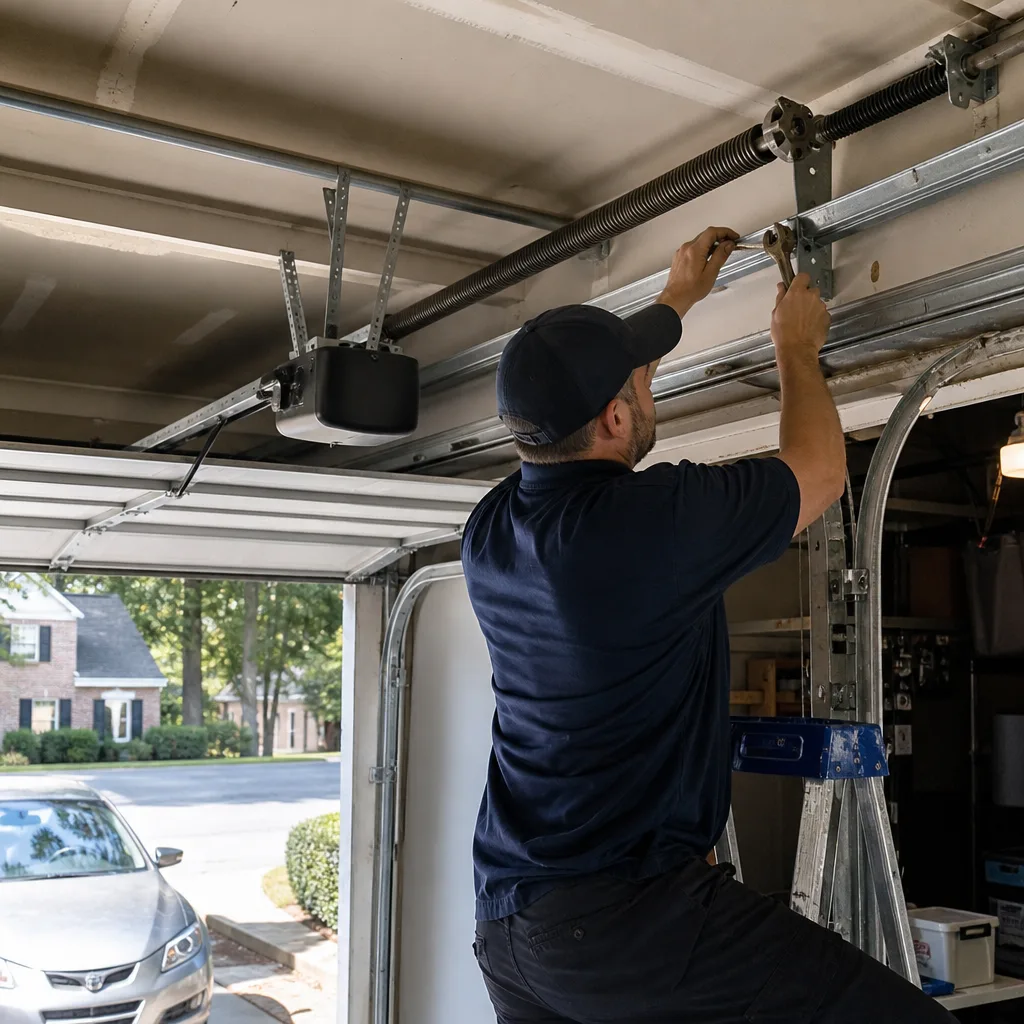 After
After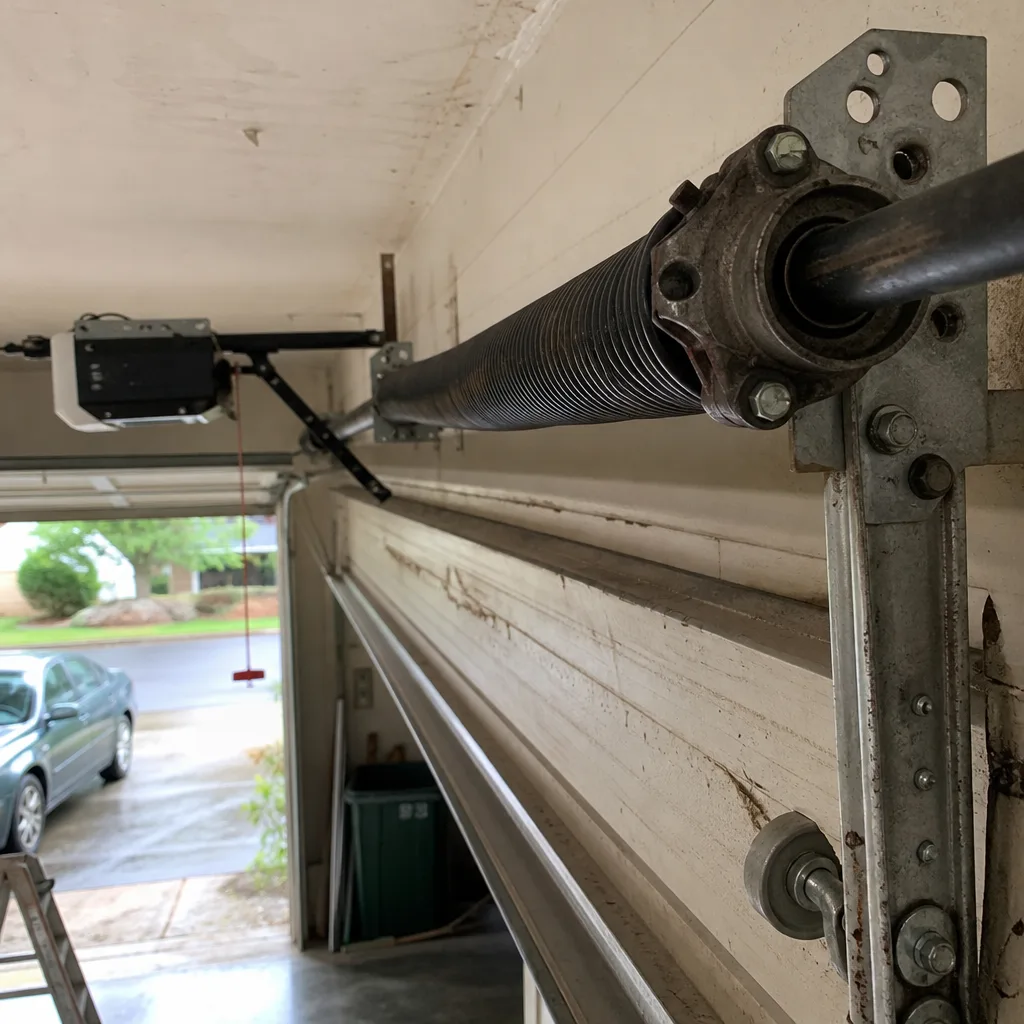 Before
 After
After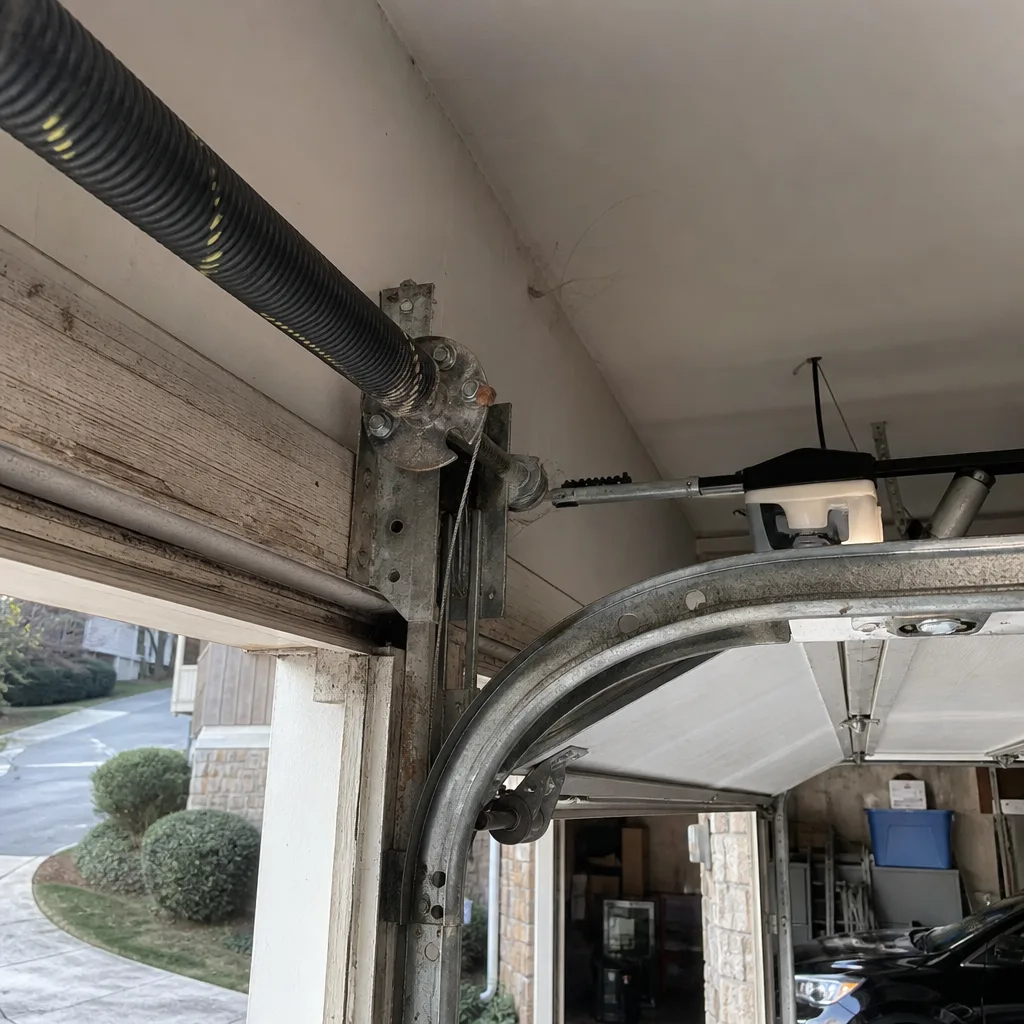 Before
 After
After