
Last updated October 16, 2026
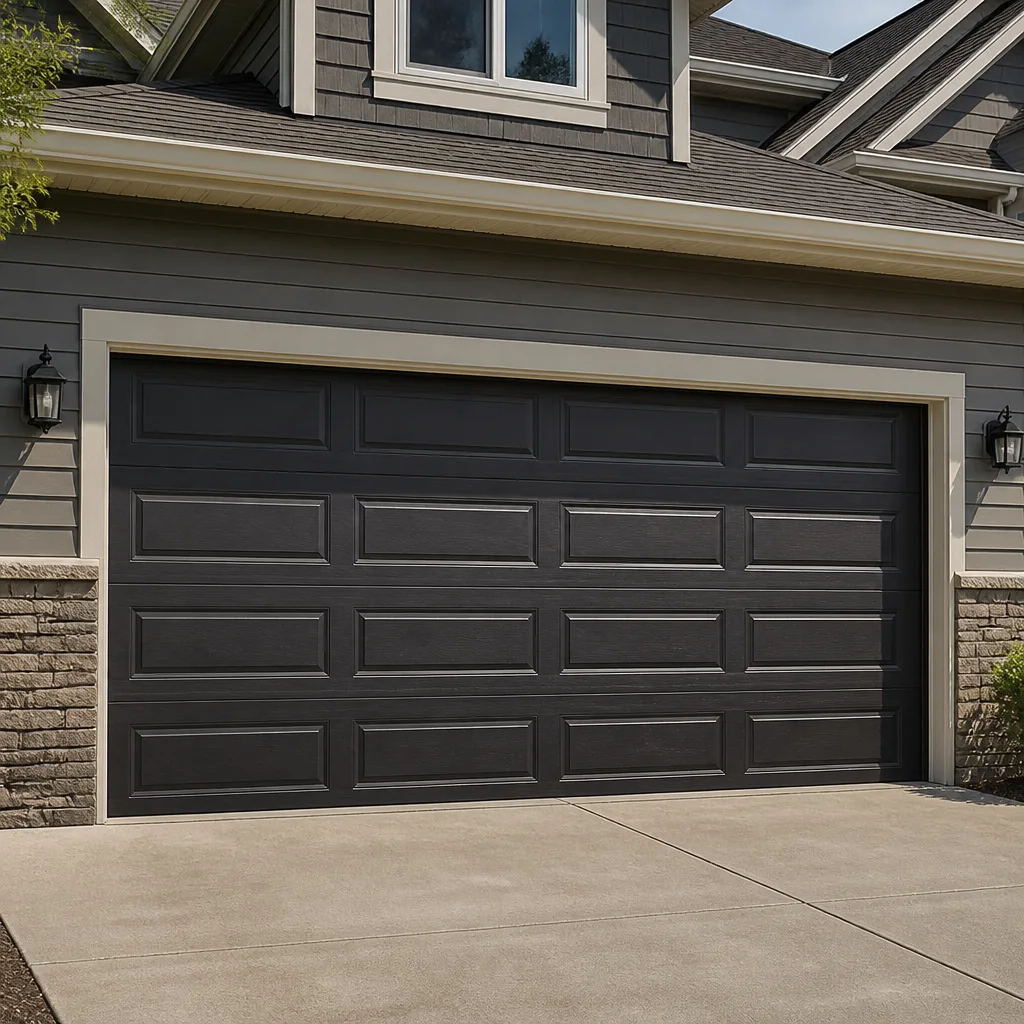 Raised-panel steel
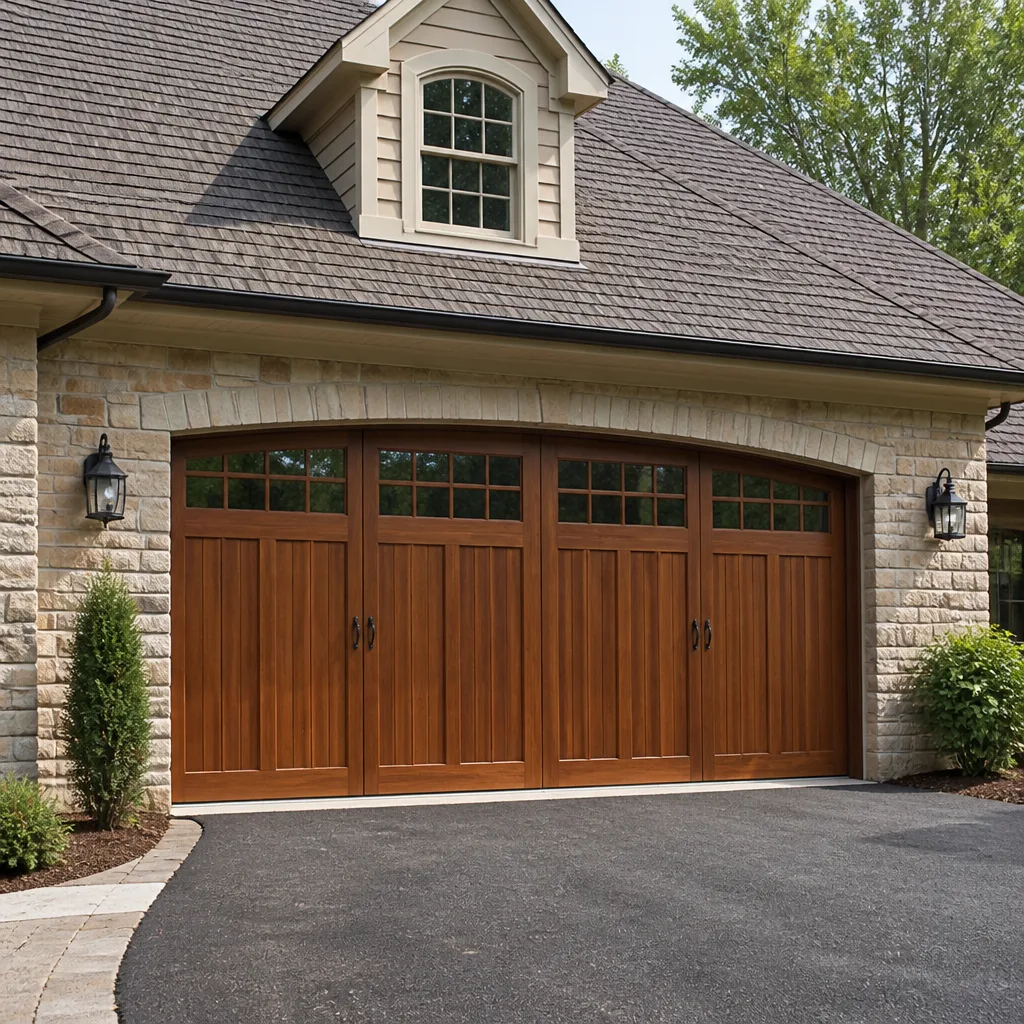 Carriage house
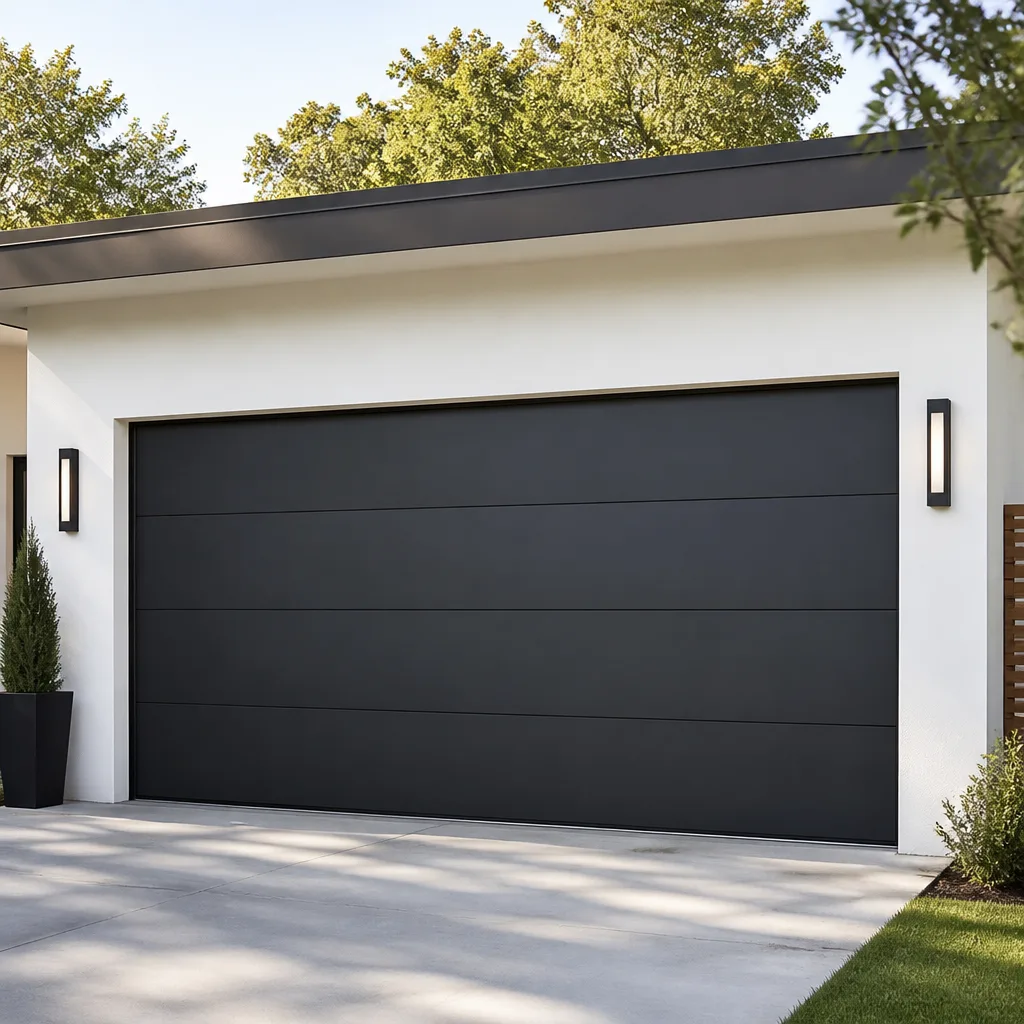 Modern flush
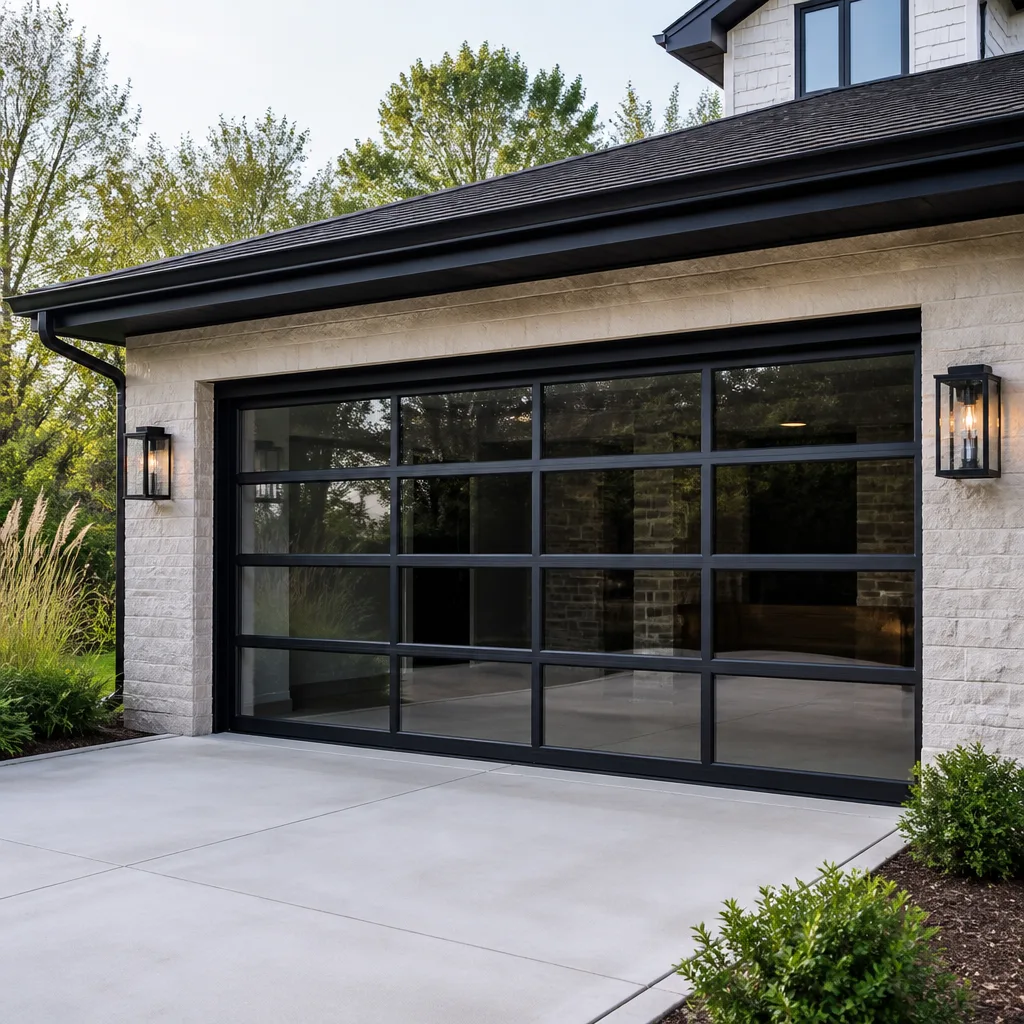 Full-view glass
 LiftMaster openers
 Chamberlain openers
Full 25-point door and opener safety check with every visit - springs, cables, rollers, tracks, and your LiftMaster or Chamberlain opener included
You get a price before we start. It does not change when the truck arrives.
Get your free estimateGarage Door Permits, Codes & Inspections in GA: What You Need to Know
A neighbor in Alpharetta paid $1,800 for a new garage door, sold the house two years later, and watched the deal nearly collapse at inspection because the installation was unpermitted. The buyer’s inspector flagged it, the lender paused, and the seller had to pull a retroactive permit, schedule an inspection, and wait three weeks while the closing date slipped. Permits aren’t bureaucracy. They’re your paper trail. This guide explains exactly when Georgia and Fulton County codes require a permit for garage door work, what happens when you skip it, and how to make sure your installation or repair is done by the book.
Quick Answer
Georgia building codes, enforced locally through Fulton County and the City of Alpharetta, generally require a permit when a garage door replacement involves structural changes, electrical work, or alteration of the fire-rated separation between the garage and living space. Simple repairs like spring replacement, cable repair, or opener swap on an existing door typically do not require a permit. When in doubt, call the Alpharetta Community Development office or work with a contractor who handles permits as standard practice.
Styles & brands we work with
Table of Contents
- When a Permit Is Actually Required in Georgia
- When You Do NOT Need a Permit
- What Happens When Work Is Unpermitted
- Code Sections That Govern Garage Doors
- The Permit Process from Start to Finish
- What the Final Inspection Checks
- How a Standards-Accountable Contractor Handles Permits
- Common Mistakes to Avoid
- When to Call a Professional
- Frequently Asked Questions
When a Permit Is Actually Required in Georgia
Georgia does not have a single statewide garage door permit statute. Instead, the state adopts the International Residential Code (IRC) and International Building Code (IBC), and each county or municipality enforces them locally. In Alpharetta, the Community Development Department administers building permits under the adopted Georgia State Minimum Standard Building Code. Here’s where a permit triggers for garage door work:
- Structural header or framing changes: If the rough opening is being widened, raised, or reinforced to accommodate a different door size, that’s structural work and requires a permit.
- Fire-rated door replacement: When the existing door between the garage and the home’s living space is being replaced, and that door is required to maintain a fire rating (typically 20-minute for attached garages under IRC Section R302.5.1), a permit is required in most Alpharetta jurisdictions.
- Electrical work for openers: Installing a new garage door opener where no receptacle or circuit exists means running new electrical. Any new branch circuit or hardwired connection falls under the electrical permit requirement.
- Complete garage door system replacement involving track reconfiguration: If the old track system is being removed and a new track layout installed, particularly with side-mount openers or high-lift conversions, the structural attachment points and load paths often require inspection.
In Alpharetta specifically, the City enforces the 2018 edition of the International Residential Code with local amendments, and any work that touches load-bearing elements, the building envelope, or the fire separation wall triggers the permit requirement. The threshold is not the cost of the door. A $5,000 custom door that drops into the existing opening needs no permit. A $900 door installed into a newly cut opening does.
When You Do NOT Need a Permit
Most garage door repairs in Alpharetta fall under the ordinary maintenance exemption. Here’s what does not require a permit in Georgia under the IRC Section R105.2 work-exempt list:
- Spring replacement: Torsion springs and extension springs wear out, typically after 10,000 cycles. Replacing a broken spring on an existing door is a repair, not an alteration. No permit needed.
- Cable replacement: Garage door cables, the twisted steel strands that carry the lifting force from the spring system to the bottom brackets, are wear items. Replacing them is ordinary maintenance.
- Opener motor swap: Replacing an existing opener with a new unit that plugs into the same receptacle is a like-for-like replacement under the electrical code. No permit required when no wiring changes.
- Panel replacement on the existing track system: If individual sections are replaced due to dents or damage and the track, springs, and opener remain unchanged, that’s a repair.
- Weatherstripping, rollers, hinges, and track lubrication: All routine maintenance. No permit, no inspection, no paper trail needed.
The key distinction in Alpharetta code enforcement is “alteration versus repair.” Alterations change the system’s design, capacity, or connection points. Repairs restore the original condition. If the door opening dimensions, structural connections, fire rating, or electrical circuit change, you’re in permit territory. If not, you’re not.
What Happens When Work Is Unpermitted
In our experience across the Alpharetta market, unpermitted garage door work surfaces at the worst possible moment: during a home sale. Here’s what actually happens when an unpermitted installation is discovered:
- Disclosure form conflict: Georgia’s seller disclosure form asks directly about “additions, alterations, or repairs without required permits.” If the seller answers yes or fails to disclose, the deal enters negotiation or dies.
- Inspector flagging: Home inspectors in Fulton County are trained to spot non-compliant installations. They check for permit history on structural work, inspect fire-rated door hardware, and verify electrical connections. An unpermitted door with a fire-rating issue gets written up.
- Lender pause: FHA and VA loans have strict condition requirements. An unpermitted structural alteration can halt underwriting until the permit is retroactively pulled and inspected.
- Retroactive permit costs: Pulling a permit after the fact in Alpharetta typically costs double the original fee, plus the inspection. In Fulton County, late permit fees can run $100 to $500 depending on the project value. And the inspector may require opening walls or removing finishes to see the work.
- Insurance claim exposure: If a garage door fails and causes damage, the insurance adjuster may request the permit history. An unpermitted installation that contributed to the failure can result in claim denial under the policy’s “faulty workmanship” exclusion.
The remediation timeline in Alpharetta is not hypothetical. We’ve seen sellers lose 30 to 60 days on a closing while retroactive permits process through the Community Development office. That’s real carrying cost: another mortgage payment, another month of utilities, and a nervous buyer with cold feet.
Code Sections That Govern Garage Doors
Understanding which code applies to which part of the system helps homeowners spot non-compliant work before it becomes a problem. Here are the sections that matter in Alpharetta and throughout Georgia:
IRC Section R302.5.1: Opening Protection
This section governs the door between an attached garage and the living space. It requires a solid wood door at least 1-3/8 inches thick, a solid or honeycomb-core steel door, or a 20-minute fire-rated door. The door must be self-closing and equipped with a closer. Self-closing means the door actually latches on its own, not just swings shut when pushed. In Alpharetta, inspectors frequently write up garage-to-house doors that have the closer removed or disabled.
IRC Section R309.1: Garage Door Openers and Safety Devices
This section, combined with UL 325, governs automatic reverse systems. Since 1993, all garage door openers in the United States must have an auto-reverse mechanism triggered by an obstruction. Photoelectric sensors, the small eyes mounted 6 inches off the floor on each side of the door, are required and must be connected. If the sensors are bypassed or non-functional, the opener is non-compliant and the door is unsafe.
IRC Section G2407: Spring-Loaded Door Systems
This section addresses the potential energy stored in torsion springs. A torsion spring, the thick coiled spring mounted horizontally above the door that bears most of the lifting load, carries enough tension to cause serious injury if improperly handled. The code requires that spring systems be installed with containment cables on extension springs and proper mounting brackets on torsion systems. This is a safety code, and it’s one inspectors check when they’re already on site for other work.
National Electrical Code Article 210.52(G)
This article requires at least one receptacle outlet in each attached garage. When a new opener is installed and a receptacle must be added, that’s electrical work requiring a permit under the electrical code adopted in Alpharetta. A like-for-like receptacle replacement does not.
For homeowners working with brands like LiftMaster or Chamberlain, the opener’s built-in safety features only function if installed to the manufacturer’s specification and connected to compliant electrical. A Wayne Dalton or Craftsman door system is only as safe as the installation behind it.
The Permit Process from Start to Finish
When garage door work in Alpharetta does require a permit, the process follows a specific sequence. Here’s the step-by-step as it works with the Alpharetta Community Development Department:
- Determine permit type: Garage door work that alters structure falls under a residential building permit. Electrical work falls under a separate electrical permit. Some jobs need both.
- Submit application with scope of work: The application requires a description of the work, the property address, the contractor’s license information, and the estimated project value. Permit fees in Alpharetta are based on valuation, typically $75 to $250 for garage door projects that require a permit.
- Submit supporting documentation: For structural changes, this means drawings showing the existing opening, the new opening, and the header details. For fire-rated door replacement, this means the manufacturer’s fire-rating label or specification sheet.
- Receive permit and schedule rough inspection: If framing or header work is involved, the inspector comes before the door is installed to verify the structural modifications. This is the rough inspection.
- Complete the installation: The door, track, springs, opener, and safety devices are installed to the approved plan.
- Schedule final inspection: The inspector returns to verify the completed work matches the approved scope and complies with the relevant code sections.
- Receive final approval and close the permit: The closed permit becomes part of the property’s permanent record with the City of Alpharetta, which is what the buyer’s inspector and lender look for.
The entire process for a straightforward permitted garage door replacement in Alpharetta typically takes 2 to 3 weeks from application to final approval. The inspection itself is usually 20 to 30 minutes.
What the Final Inspection Checks
Homeowners often assume the inspector is looking for cosmetic issues. They’re not. A final inspection on garage door work in Fulton County focuses on specific code compliance points:
- Fire rating on the garage-to-house separation: The inspector verifies the door is the correct type, the closer operates, and the assembly maintains the required rating.
- Structural connections: The header, jambs, and track brackets must be properly fastened with the correct fastener type and spacing. An inspector will look at bolt patterns and connection hardware.
- Spring containment and mounting: Extension springs must have containment cables running through the center. Torsion springs must have proper center brackets and end-bearing plates.
- Opener safety reverse: The inspector tests the photoelectric sensors and the mechanical reverse. A 2×4 laid flat under the door is the standard obstruction test. The door must reverse within 2 seconds of contact.
- Electrical connections: The opener’s receptacle must be GFCI-protected and the wiring must be properly secured. Exposed wiring is a red flag.
- Door balance: The inspector may manually lift the door partway and release it. A properly balanced door stays in place. A door that drops or rises on its own indicates incorrect spring tension.
This checklist is the practical standard for “done by the book” garage door work in Alpharetta. A job that passes this inspection is one that won’t come back to bite the homeowner at resale or in an insurance claim.
How a Standards-Accountable Contractor Handles Permits
Here’s the difference between a contractor who respects the permit process and one who skips it. A standards-accountable contractor treats the permit as part of the job, not an obstacle. The permit gets pulled before the first tool comes off the truck. The work is done to the approved plan. The inspection is scheduled and passed. The homeowner receives the closed permit and the written guarantee in the same folder.
At Brock Garage Doors Alpharetta, we operate under The Garrison Standard, which means every job runs the same way: arrival window honored, written price handed over before work begins, work performed to code, site left clean, and a written 365-day guarantee on every repair. The permit process, when one is required, is not an add-on service or an afterthought. It’s part of the job. Wade Mercer, our owner, has built the operation around this discipline because he’s seen what unpermitted work costs Alpharetta homeowners at the closing table.
A fly-by-night operator tells you the permit is unnecessary, or asks if you’d prefer to skip it to save money, or says the inspector will never know. All three statements are red flags. If the work requires a permit and your contractor encourages you to skip it, that contractor is asking you to carry the risk. The contractor drives away. The risk stays with the property.
We service equipment from LiftMaster, Chamberlain, Genie, Clopay, Amarr, Wayne Dalton, Craftsman, and Raynor, and our technicians are trained on all eight brands. That matters when the job involves a permitted installation because the inspector wants to see manufacturer-spec work, not a generic workaround. The right fix for your specific system is the one that passes inspection.
Common Mistakes to Avoid
- Assuming all garage door work needs a permit: Most repairs in Alpharetta don’t. Spring replacement, cable repair, and opener swaps on existing doors are maintenance. Calling the permit office takes five minutes and clears up whether your job is in scope.
- Assuming no garage door work needs a permit: The opposite error. Structural opening changes, fire-rated door replacement, and new electrical circuits all trigger permits in Fulton County. The cost of being wrong is discovered years later.
- Letting the contractor decide without documentation: If a contractor says no permit is needed, that’s fine if the work genuinely qualifies as repair. But get it documented. A written work order that describes the scope as “repair, no structural alteration” is your record.
- Skipping the retroactive permit after discovery: When an unpermitted installation is discovered during a home sale, some sellers try to negotiate a credit instead of fixing it. The credit often works in a hot market, but the problem remains attached to the property. It resurfaces at the next sale.
- Replacing a fire-rated door with a standard interior door: This is one of the most common code violations we see in Alpharetta homes. The garage-to-house door is not an ordinary interior door. It’s a fire separation element. Installing a hollow-core door there fails inspection and creates a genuine safety hazard.
- Bypassing the photoelectric sensors: Homeowners sometimes disable the safety eyes because they’re tired of the door reversing when something blocks the beam. That’s not an inconvenience fix. That’s creating a trap. UL 325 requires functioning sensors on every automatic opener installed since 1993.
- Hiring based on price alone for permitted work: A permitted installation has hard costs: the permit fee, the inspection scheduling, the time to do it right. A bid that’s dramatically lower than others usually means the permit was never in the plan.
When to Call a Professional
Any work involving torsion springs warrants a professional. These springs store enough energy to cause serious injury. Our technicians replace torsion springs in Alpharetta homes routinely, and we will always tell you directly: this is not a DIY repair. The same goes for cable replacement, where the cable under tension can whip if mishandled.
Permitted work is always professional work. If your garage door replacement in Alpharetta involves structural changes, fire-rated components, or new electrical, you need a contractor who handles the permit process as standard practice. You need someone who will put the price in writing before the work starts and stand behind it after. Our full Garage Door Repair in Alpharetta services and Garage Door Cable Repair in Alpharetta work all carry a written 365-day guarantee. Brock Garage Doors Alpharetta offers free estimates in Alpharetta. Call (229) 404-6747.
Frequently Asked Questions
A residential building permit for garage door work in Alpharetta typically costs $75 to $250, based on the project valuation, with higher fees when structural changes are involved. Electrical permits typically add $50 to $100 if new circuits are required. Retroactive or late permits cost more, often double the standard fee in Fulton County. Call (229) 404-6747 and we’ll tell you whether your job needs a permit before you spend a dollar.
No. Spring replacement is classified as ordinary maintenance under IRC Section R105.2 and does not require a permit anywhere in Georgia, including Alpharetta. However, the work should be done by a professional because torsion springs carry dangerous tension. Our spring replacements include a written price before work starts and a written 365-day guarantee.
Yes. Georgia seller disclosure forms require homeowners to disclose unpermitted work, and home inspectors in Fulton County routinely flag non-compliant garage door installations. A flagged installation can delay closing by 30 to 60 days while a retroactive permit is processed, and in some cases the deal falls through entirely. The permit is your paper trail, and the paper trail is what the buyer’s inspector wants to see.
You contact the Alpharetta Community Development Department, describe the work, and apply for a retroactive permit. The inspector will visit, review the installation against current code, and issue approval or a correction list. Correcting code violations after the fact is almost always more expensive than doing it right the first time. We’ve helped Alpharetta homeowners remediate unpermitted work, and we can walk you through what to expect.
Replacing an opener with a new unit that plugs into the existing receptacle does not require a permit. Adding a receptacle or running a new circuit for an opener does require an electrical permit. If you’re not sure whether your existing receptacle is on a compliant circuit, an electrician or a code-savvy garage door contractor can check it.
An Alpharetta final inspection on permitted garage door work checks the fire-rated separation between the garage and living space, structural connections on headers and track brackets, spring containment and mounting, opener auto-reverse function, and electrical connections. The inspector is looking for code compliance, not cosmetic quality. A job that passes inspection is one that’s done by the book.
Most modern openers have a manual release cord that lets you operate the door by hand during a power outage. LiftMaster and Chamberlain units sold in Alpharetta homes typically include this as standard. The manual release is also a safety requirement under UL 325, so if your opener lacks one, it’s non-compliant. Our Garage Door Opener Repair in Alpharetta work includes verifying that the manual release functions correctly.
The Bottom Line
Garage door permits in Georgia are not applied uniformly to every job. Repairs are exempt. Alterations trigger the permit. The line between the two is specific and knowable, and in Alpharetta, it’s enforced by the Community Development Department. Unpermitted work becomes a liability at resale, at inspection, and sometimes at the insurance claim. A permitted job costs more upfront and protects the homeowner for as long as they own the property. The permit is the paper trail, and the paper trail is what keeps a $1,800 garage door from becoming a $20,000 closing problem.
If you’re in Alpharetta and you’re not sure whether your garage door project needs a permit, start with a phone call. We’ll tell you straight what the code requires, and if a permit is needed, we’ll handle it as part of the job. A real person answers 24 hours a day. Call (229) 404-6747 for a free estimate, or visit the Brock Garage Doors Alpharetta home page to learn more about how we work.
Written by Wade Mercer, Owner at Brock Garage Doors Alpharetta, serving Alpharetta since 2001.
See the difference
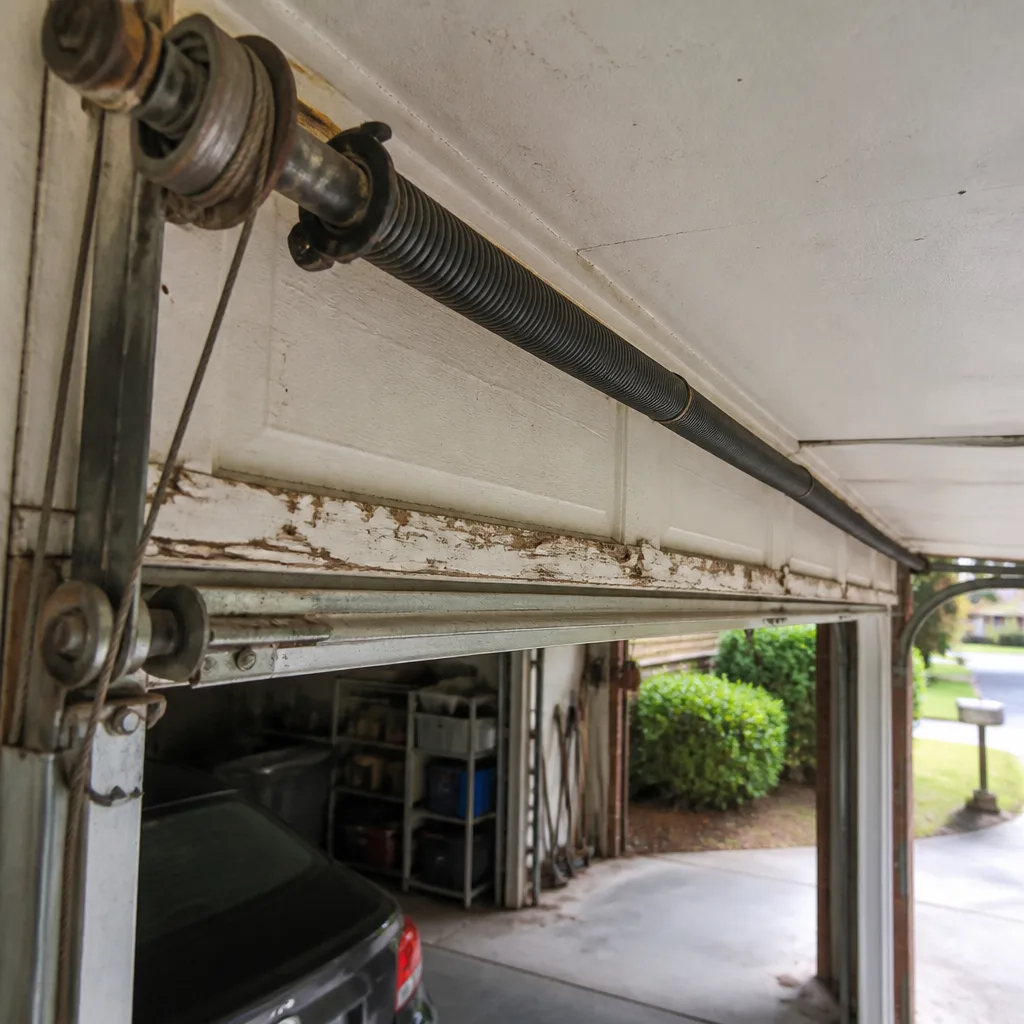 Before
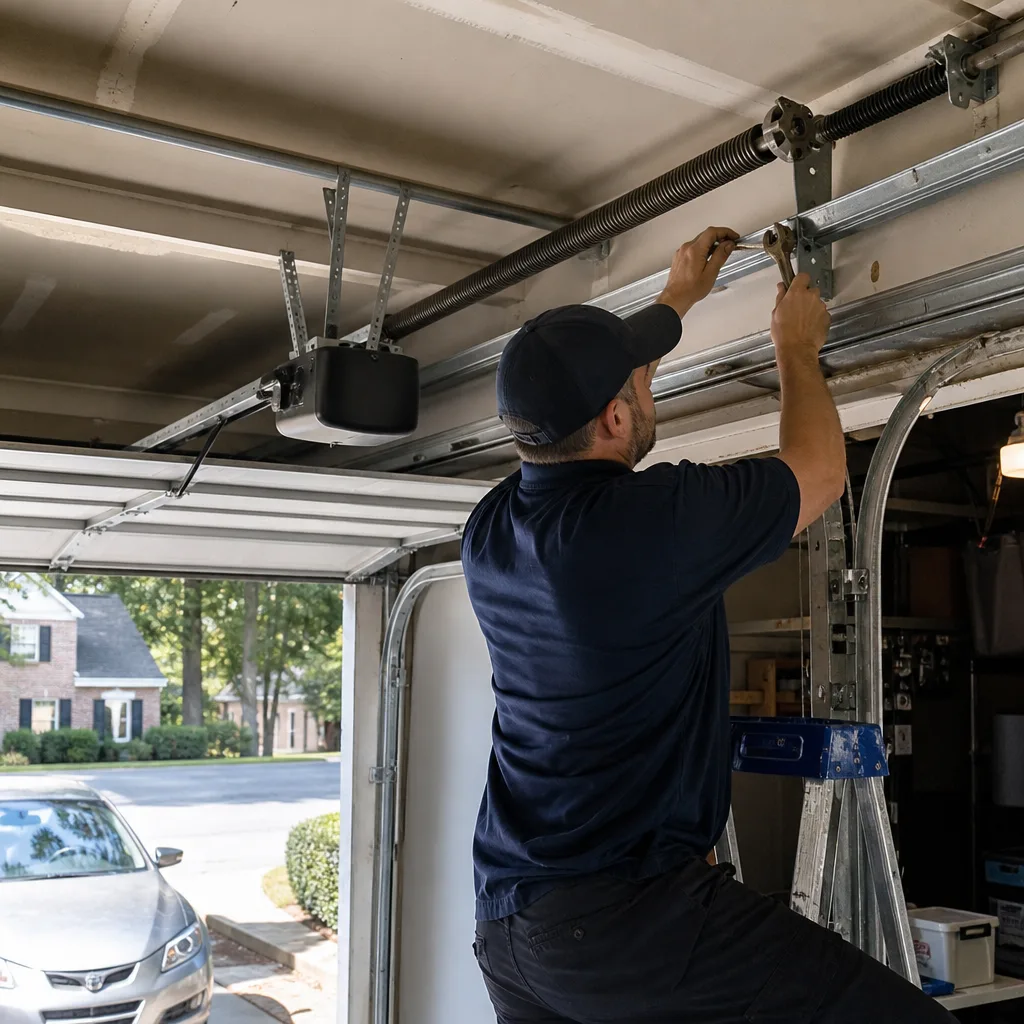 After
After Before
 After
After Before
 After
After