
Last updated October 16, 2026
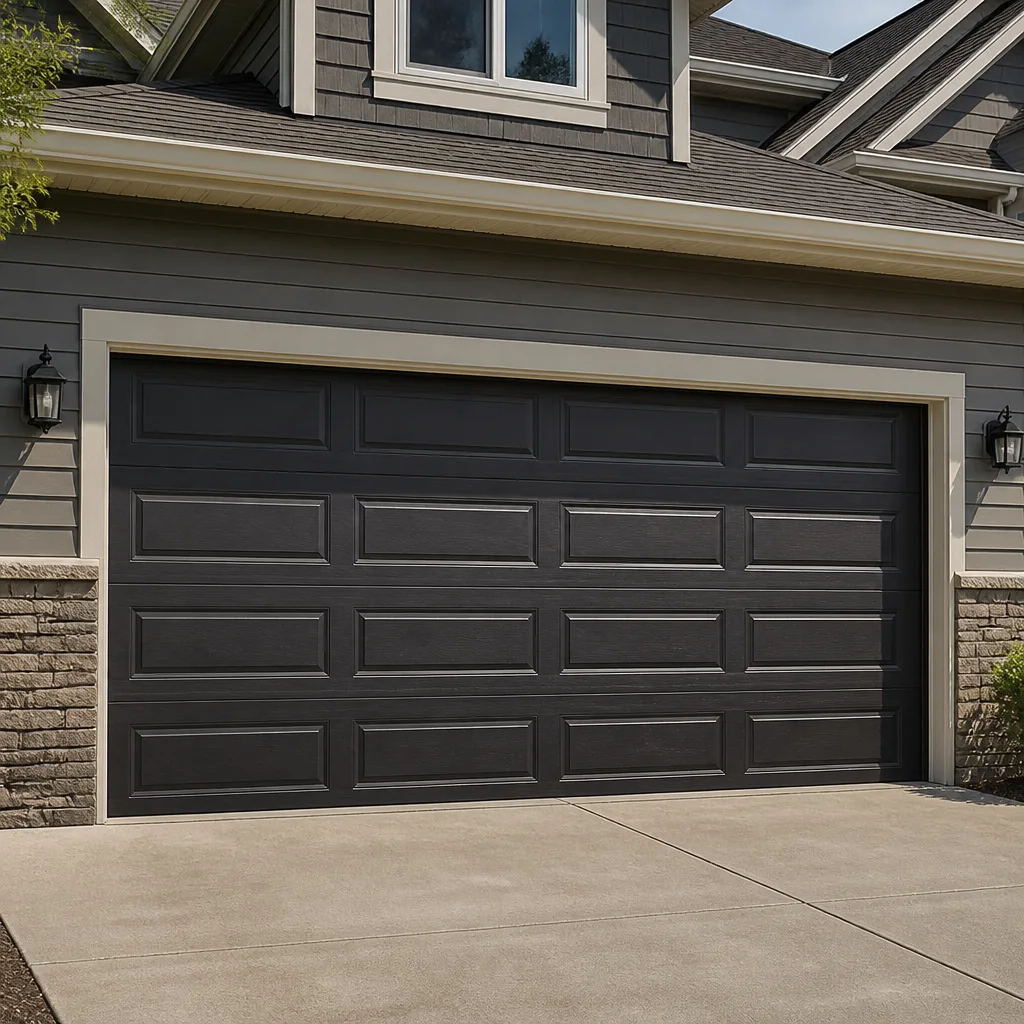 Raised-panel steel
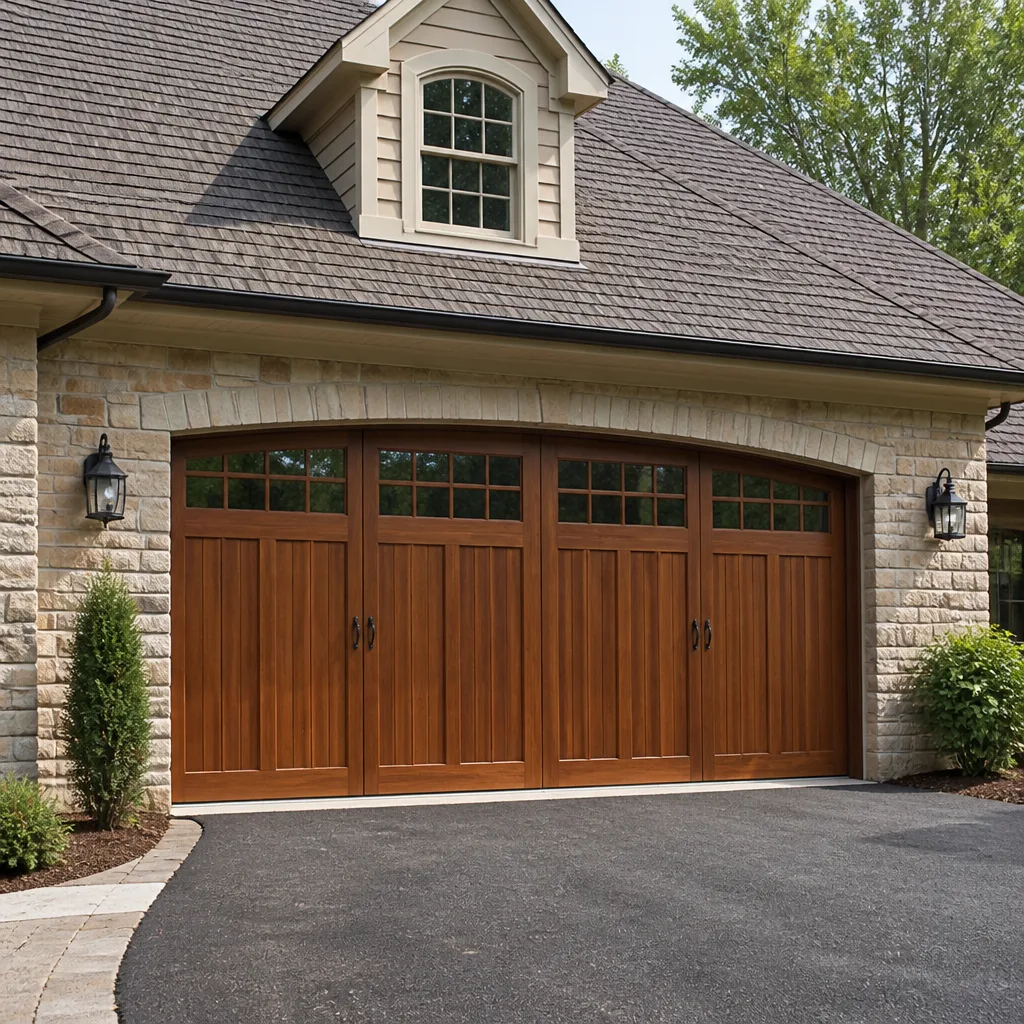 Carriage house
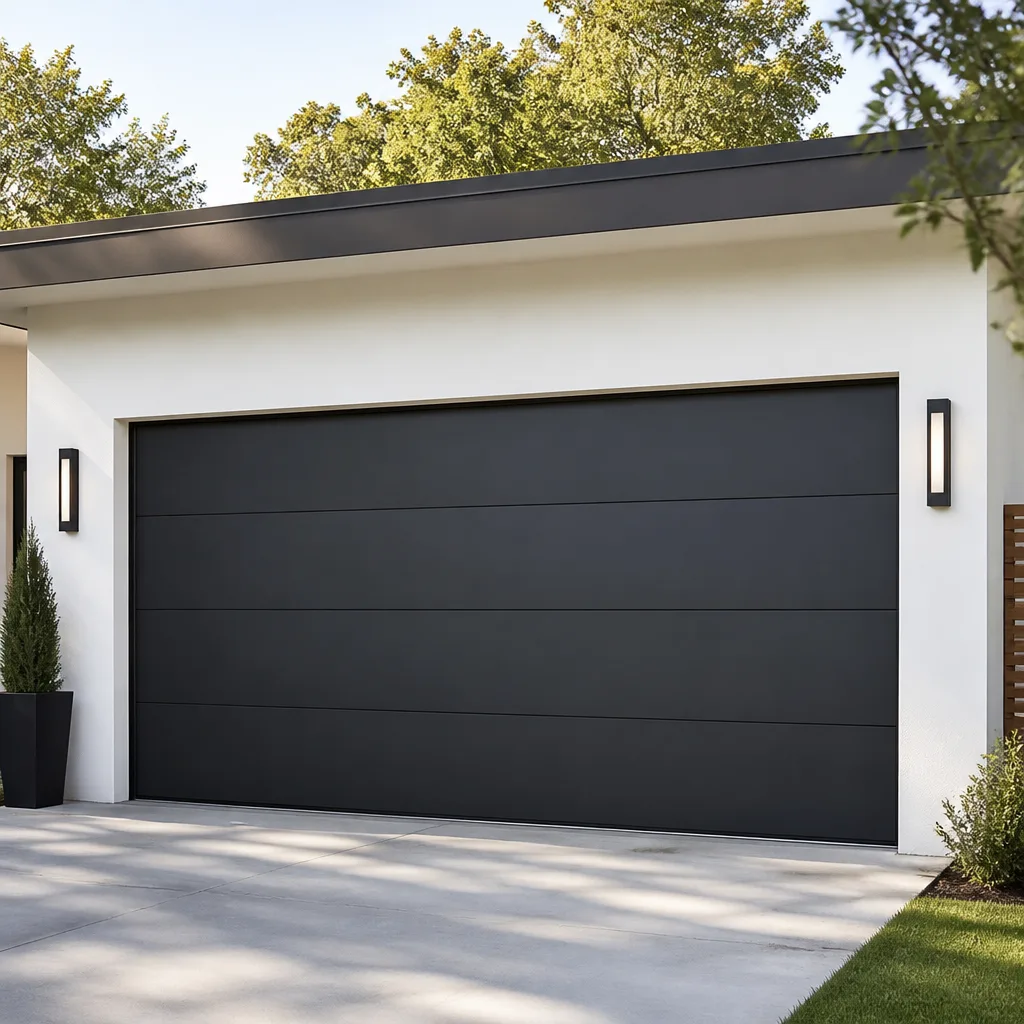 Modern flush
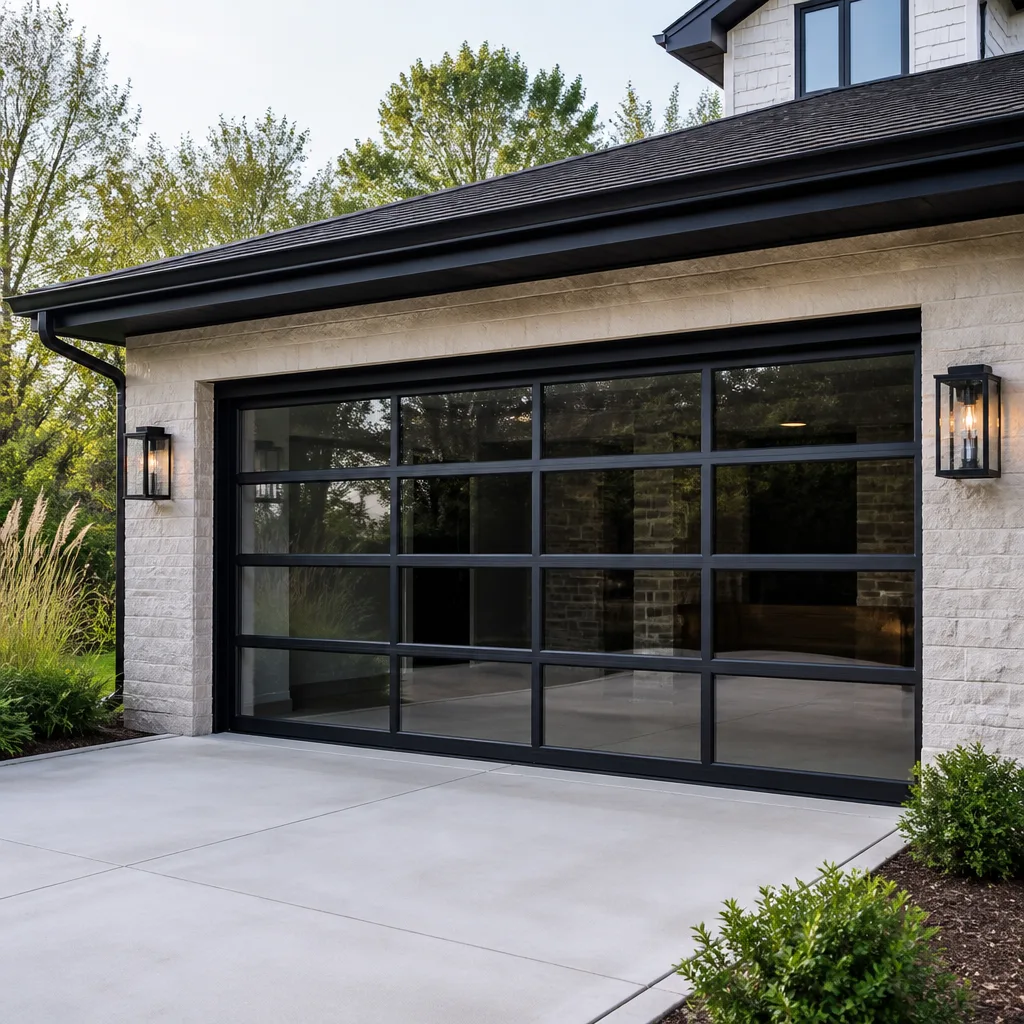 Full-view glass
 LiftMaster openers
 Chamberlain openers
Full 25-point door and opener safety check with every visit - springs, cables, rollers, tracks, and your LiftMaster or Chamberlain opener included
You get a price before we start. It does not change when the truck arrives.
Get your free estimateGarage Door Repair Maintenance Checklist for Alpharetta Homeowners
Most maintenance checklists tell you to “lubricate moving parts.” That’s not wrong, it’s just useless without knowing which parts, which lubricant, and what you’re listening for while you do it. A garage door has roughly 150 moving components, but only about a dozen of them actually determine whether your door lasts 8 years or 25. In Alpharetta, where humidity sits above 70% for half the year and temperatures swing 40 degrees between January and July, the failure sequence is predictable: moisture attacks the cables, heat fatigues the springs, and swollen wood panels throw off the balance. This guide walks the door the way a trained technician actually inspects it, top to bottom, in the order that catches a $40 problem before it becomes a $400 one.
Styles & brands we work with
Quick Answer
A garage door maintenance checklist for Alpharetta homeowners should be performed as a top-to-bottom diagnostic sequence: inspect the springs and cables, test the balance, listen to the opener, lubricate the right components with the right product, check the weather seal, and document everything with your phone camera. Most homeowner maintenance takes 20 minutes twice a year, and the five-second balance test alone will tell you whether your springs are doing their job or your opener is slowly burning itself out. If you find anything beyond surface rust or a loose hinge, call a professional for Garage Door Repair services before attempting a fix.
Table of Contents
- Why Sequence Matters: The Diagnostic Order
- The Five-Second Balance Test
- Springs and Cables: What Alpharetta Humidity Does to Them
- Opener Maintenance: Listening Before Lubricating
- The Lubrication Sequence (And What Not to Spray)
- Weather Seals and Alpharetta’s Rain Pattern
- Documenting Your Door: The Phone Camera Baseline
- Common Mistakes to Avoid
- When to Call a Professional
- Frequently Asked Questions
- The Bottom Line
Why Sequence Matters: The Diagnostic Order
A garage door is a system, not a collection of parts. The springs bear the lifting load, the cables transfer that tension to the bottom brackets, the opener moves the door along the track, and the hinges pivot under stress every cycle. When one component fails, the others compensate, and that compensation is what destroys a door prematurely. Here’s the sequence we use when we walk a garage door repair in Alpharetta, and it’s the order you should follow at home:
- Visual scan of the closed door from inside the garage. Look at the cables, springs, track, and hinges. This takes 30 seconds and reveals 80% of developing problems.
- Balance test with the door disconnected from the opener. This isolates the springs and tells you whether the door’s weight is properly counterbalanced.
- Track inspection for rust, debris, or misalignment, especially where the vertical track meets the horizontal curve.
- Spring inspection for rust, gaps in the coil, or uneven stretch on torsion springs.
- Cable inspection for fraying where the cable wraps around the drum and at the bottom bracket anchor.
- Hinge and roller inspection for wear, play, or cracked nylon sleeves.
- Opener operation test listening for changes in pitch, grinding, or hesitation.
- Lubrication only after inspection. Never lubricate before you inspect; grease hides developing cracks in springs and cables.
- Weather seal check along the bottom edge and the side jambs.
- Documentation. Photograph everything, even the parts that look fine.
The reason sequence matters is simple: the balance test tells you more about spring health than staring at the springs ever will. If you skip it and go straight to spraying lubricant, you’re applying a cosmetic fix to a structural problem. In our experience with Alpharetta homes, the spring that fails in September usually showed balance-test warning signs in March.
The Five-Second Balance Test
This is the single most important thing you can do for your garage door, and almost no homeowner knows it exists. The balance test answers one question: are your springs doing the work, or is your opener doing the work? Openers are designed to move a balanced door, not to lift 150 pounds of dead weight. When springs lose tension, the opener motor strains against the load. The motor can’t tell you it’s struggling, but your electric bill can, and the opener’s lifespan will drop from 15 years to 5.
Here’s the test:
- Close the door.
- Locate the red emergency release cord hanging from the opener rail. Pull it straight down. This disconnects the door from the opener carriage.
- Lift the door by hand to the halfway point, roughly waist height.
- Let go.
The result: If the door stays put, your springs are correctly balanced. If it drifts upward, the springs are overwound. If it drops, the springs are losing tension or one has already failed. In Alpharetta, we see a seasonal pattern: doors that pass the balance test in January sometimes fail it in July. Heat doesn’t weaken springs directly, but the thermal expansion of the metal combined with years of high-humidity surface corrosion changes the spring’s metallurgy over time. A door that drifts downward more than a few inches needs spring adjustment. A door that drops fast needs professional attention immediately because one of the springs may have snapped. The balance test takes five seconds and costs nothing. We recommend doing it every three months.
Springs and Cables: What Alpharetta Humidity Does to Them
Alpharetta’s climate creates a specific failure profile that national maintenance guides don’t address. Where a door in Phoenix fails from dry heat brittleness and a door in Seattle fails from constant moisture, an Alpharetta door faces both in alternating seasons. The result is accelerated surface corrosion on torsion springs, which creates micro-pitting that becomes a stress concentration point. When the spring finally snaps, it almost always breaks at one of these pitted spots.
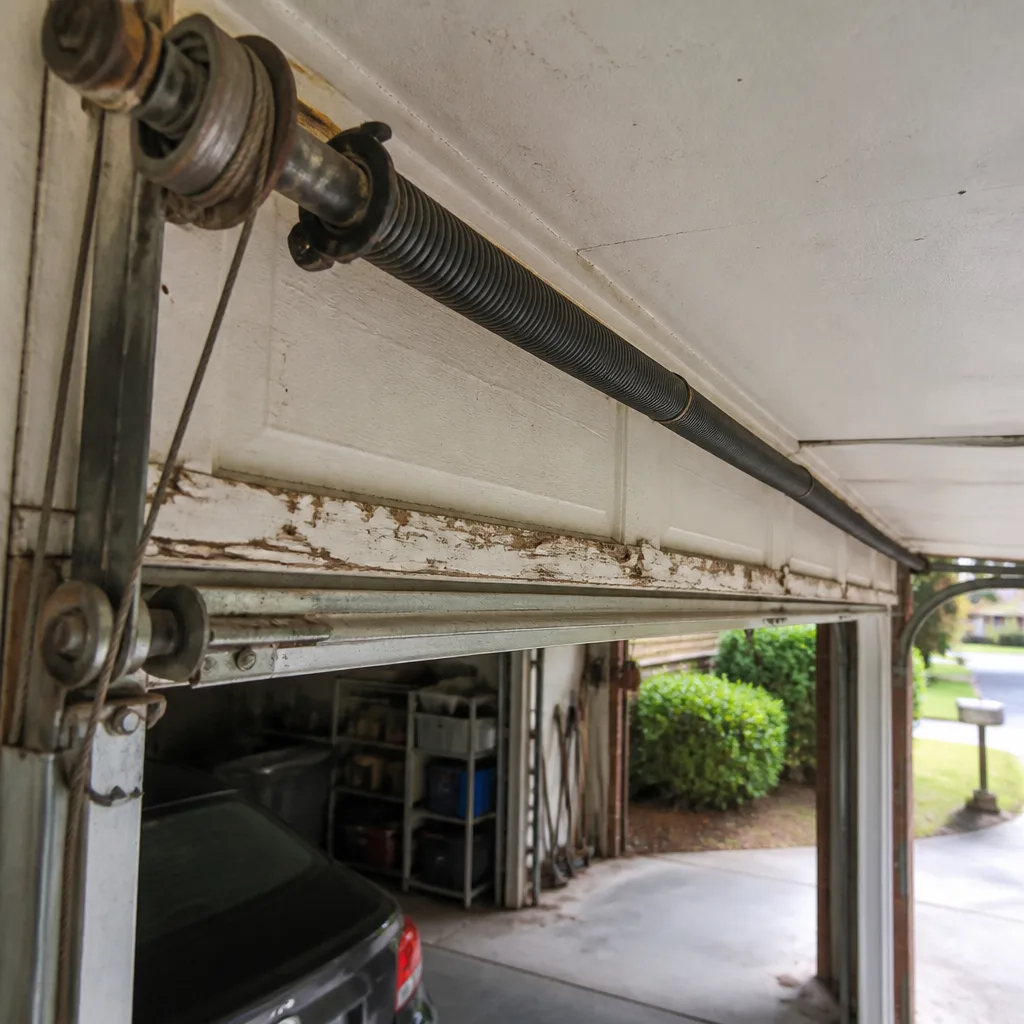
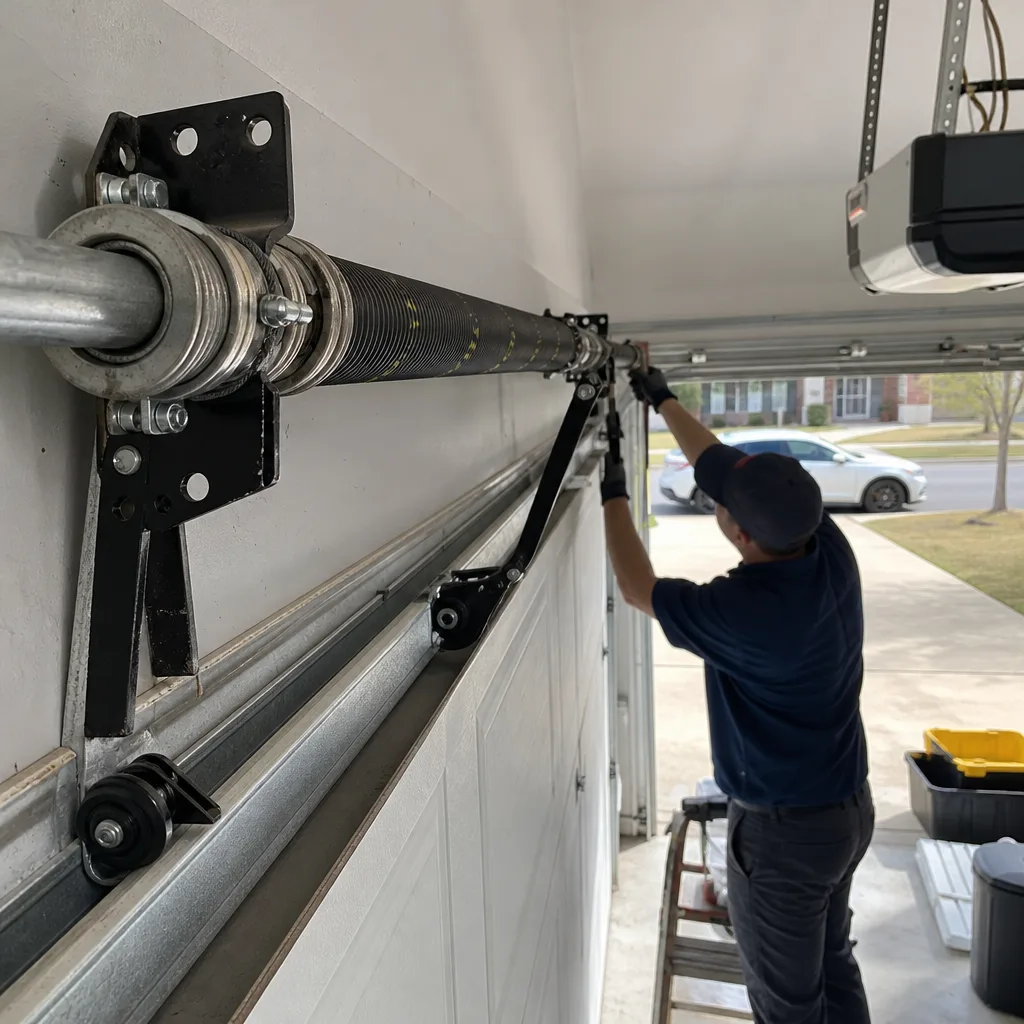
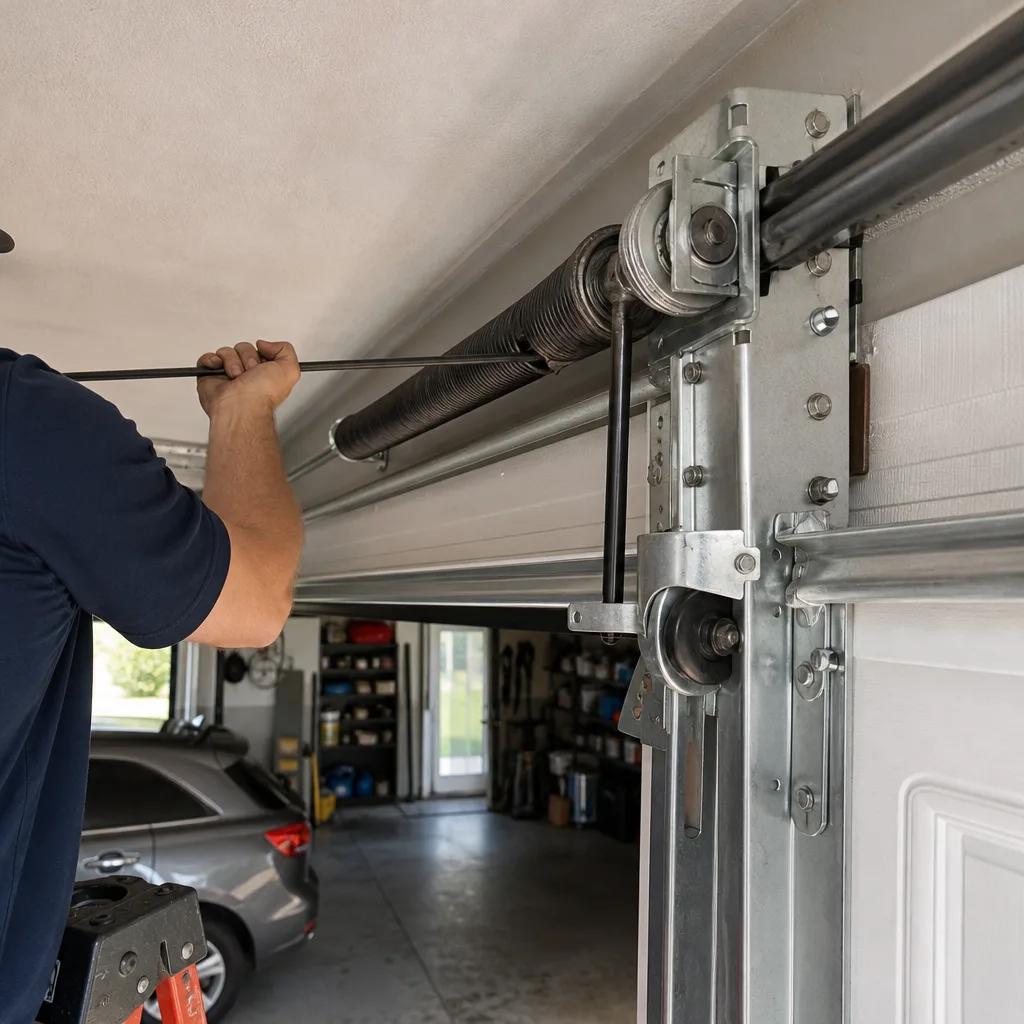
What to look for on torsion springs, the thick coiled springs mounted horizontally above the door:
- Rust is normal and not automatically a reason to replace. Surface rust on a torsion spring is cosmetic unless it has advanced to pitting.
- Pitting looks like small dark craters in the metal, not just orange discoloration. Pitting means the spring’s life expectancy has dropped dramatically.
- A gap in the coil means the spring has already snapped. You’ll often find one spring broken while the other still works, which is why the door still opens but feels heavy and groans.
- Uneven coil spacing indicates the spring is wearing unevenly and may fail soon. In Alpharetta, we regularly see this on springs that are eight years old or older.
Cables are the other humidity casualty. The cables run from the bottom brackets, around a grooved drum at the top of the track, and up to the torsion shaft. Georgia humidity causes surface rust on cables that then abrades against the drum every time the door cycles. The fraying starts slowly: a few broken strands near the drum, then more, then a snapped cable that drops the door unevenly. A snapped cable with a loaded torsion spring is dangerous because the door jerks violently and can come off its track. Most cable repairs in Alpharetta run $150 to $275, depending on cable type and drum condition. That’s a cheap repair compared to a door off its track or a panel that gets bent when the door drops. If you spot fraying anywhere on the cable, stop using the door and call for a garage door cable repair in Alpharetta before the cable fails under tension.
Safety caveat: Torsion springs are under hundreds of pounds of tension. Never attempt to adjust, replace, or even loosen the set screws on a torsion spring system yourself. The stored energy in a wound spring can break bones or worse. This is the one component on a garage door where a professional is always the right call.
Opener Maintenance: Listening Before Lubricating
Your opener tells you what’s wrong before it fails, if you’re listening. The motor has a baseline sound: a steady, even hum as it moves the door along the track. Changes to that sound are diagnostic information. Here’s what different sounds in an Alpharetta garage typically mean:
- A grinding or gravelly sound from the opener head usually means the drive gear is stripping. On LiftMaster and Chamberlain units, this is a known wear item, especially on chain-drive models that are seven years old or more.
- A high-pitched whine that gets louder over time often indicates the motor bearings are wearing out. This is more common on belt-drive openers from Craftsman and Raynor units in humid climates because condensation builds inside the housing.
- A door that hesitates at the bottom of its travel before moving upward means the opener is straining. That’s rarely an opener problem. It’s usually a balance problem, which takes you back to the balance test above.
- Intermittent operation or the opener reversing for no reason often points to the safety sensors, not the motor. In Alpharetta, spiders love to build webs across sensor lenses, and direct sunlight on the sensor can also trigger false reversals.
Opener maintenance from the homeowner’s side is limited: wipe the sensor lenses with a dry cloth every few months, make sure nothing is hanging from the opener rail, and listen. If you’re hearing a consistent change in sound, that’s the time to have a garage door opener repair in Alpharetta done before the unit dies at 7:00 a.m. on a workday. We service openers from LiftMaster, Chamberlain, Genie, and Craftsman, and we’d rather fix a drive gear for $180 than replace a burned-out opener for $450.
One more Alpharetta-specific note: power surges during summer thunderstorms are a real threat to opener circuit boards. A surge protector on the opener’s outlet is a $20 insurance policy. If your opener loses its programming after a storm, that’s a surge event, and a bare circuit board replacement runs $120 to $200.
The Lubrication Sequence (And What Not to Spray)
Lubricating a garage door is useful only if you use the right product on the right parts. Most homeowners use WD-40 because it’s the only thing in the cabinet, and WD-40 is a solvent, not a lubricant. It cleans and displaces moisture, which is helpful for breaking up surface rust, but it evaporates and leaves metal parts drier than before. For garage doors, use a white lithium grease for metal-on-metal contact points and a silicone spray for plastic parts. Both cost under $10 at any Alpharetta hardware store.
Here’s the lubrication sequence:
- Torsion springs. Spray white lithium grease or a dedicated garage-door spring lubricant along the entire length of the spring, coating the coils evenly. In Alpharetta’s humidity, this also gives the spring a protective barrier against surface corrosion.
- Hinges. One short spray at each pivot point where the hinge plates meet the pin. Wipe excess with a rag, because dripping lithium grease collects dust and Georgia pollen.
- Rollers. Nylon rollers have sealed bearings and don’t need lubrication. Steel rollers need a drop of oil at the bearing, but if you’re still running steel rollers on a 15-year-old door, replacement is the better fix.
- Track. Do not lubricate the track. The rollers should move along the track without grease, and grease on the track collects dirt and creates a grinding paste. If the door is noisy on the track, the problem is usually a worn roller, not a dry track.
- Lock mechanism and top latch. A light silicone spray keeps the lock from sticking in humid weather.
Lubricate twice a year: once in late fall before the cold season, once in late spring before the humidity peaks. Anything beyond that is over-maintenance with diminishing returns.
Weather Seals and Alpharetta’s Rain Pattern
Alpharetta gets about 53 inches of rain a year, and most of it arrives in afternoon thunderstorms between May and September. The bottom weather seal on a garage door is the difference between a dry garage and a slow drip that soaks cardboard boxes and warps the bottom panel’s wood or fiberboard core. A failed seal is also an open invitation for the humidity that drives Alpharetta’s epic mosquito season inside your garage.
The bottom seal is a rubber strip that fits into an aluminum retainer channel at the base of the door. Over time, Georgia’s heat makes the rubber stiff and cracked, and the constant compression of the door closing flattens it until it no longer makes contact with the concrete. The test is simple: close the door on a bright day and look for light coming under the bottom edge. Any visible light means the seal is no longer sealing.
Replacement seals are available at any local hardware store, and the job takes about 15 minutes. But there’s a catch: door manufacturers use different retainer channel sizes, so bring a photo of your existing seal to the store rather than guessing. If the seal is fine but water still leaks under the door in a hard storm, the issue is usually the concrete pad itself. Alpharetta’s clay-heavy soil shifts with moisture content, and many garage slabs settle slightly over time. That’s a concrete issue, not a door issue, and a threshold seal or slab leveling is the fix.
Side and top weather stripping matters less for water than for energy loss. A garage attached to the house leaks conditioned air through the side jambs when the stripping is compressed or missing. In an Alpharetta summer, that’s cooled air escaping into a 95-degree garage, and your HVAC unit works harder because of it. Replacement vinyl stripping runs under $30 and takes an hour to install with a pry bar and a hammer.
Documenting Your Door: The Phone Camera Baseline
Here’s a step most checklists skip: photograph your garage door twice a year. It feels unnecessary until a technician quotes you a repair and you don’t know whether the damage is new or has been there for three years. A phone camera is the cheapest documentation tool you own, and it takes 90 seconds.
What to photograph, in order:
- The full door from inside the garage, closed position, standing about ten feet back
- Both torsion springs, close enough to see coil spacing and surface condition
- Both cables where they wrap around the drums at the top of the track
- Both bottom brackets where the cables attach
- Each hinge, working from left to right
- The bottom weather seal, photographed from inside with the door closed
- The opener unit from below, showing the rail and the chain or belt
- The track on both sides where the vertical section meets the curve
How to use this baseline: When a technician tells you a spring needs replacement, ask to see the comparison. A good technician will show you the pitting, the gap, or the fatigue wear on your own spring. If the photos from six months ago show the same condition, you have a decision to make. If the photos show a spring that looked clean in March and pitted in September, the recommendation is legitimate. At Brock Garage Doors Alpharetta, we show homeowners exactly what we’re looking at, and we’re happy to compare against any photo from any date. You can also find more guides & resources on our blog. The baseline makes the repair conversation honest on both sides.
Common Mistakes to Avoid
- Lubricating before inspecting. Grease covers developing cracks and frayed cable strands. Inspect first, lubricate second, in that order, every time.
- Using WD-40 on springs and hinges. It’s a solvent, not a lubricant. It strips existing grease and leaves the metal dry. Use white lithium grease or a purpose-made garage door lubricant.
- Skipping the balance test because the door “opens fine.” The opener masks spring problems until the day it can’t mask them anymore. A door that opens fine with a failing spring is a door that will not open at all one morning.
- Ignoring a slow drift. If the door drifts downward after the balance test, the springs are winding down. Waiting until the spring breaks means paying for a spring, a cable, and possibly a bent panel. In Alpharetta, spring replacement runs $250 to $450, but a snapped spring that drops the door can double that bill.
- Spraying grease on the track. Grease plus Georgia pollen plus concrete dust equals a grinding paste that wears out the rollers. The track is designed to run dry.
- Replacing only one spring on a two-spring door. When one spring fails, the other is usually close behind. Replacing both at once means one repair visit, not two, and both springs get a fresh service life. Most Alpharetta technicians recommend replacing both, and the price difference is usually under $150.
- Adjusting the opener’s force settings to compensate for a heavy door. This is the opener bleeding out slowly. The force setting is not a maintenance adjustment; if you’re cranking it up to get the door to close, the springs or the door’s balance are the problem.
When to Call a Professional
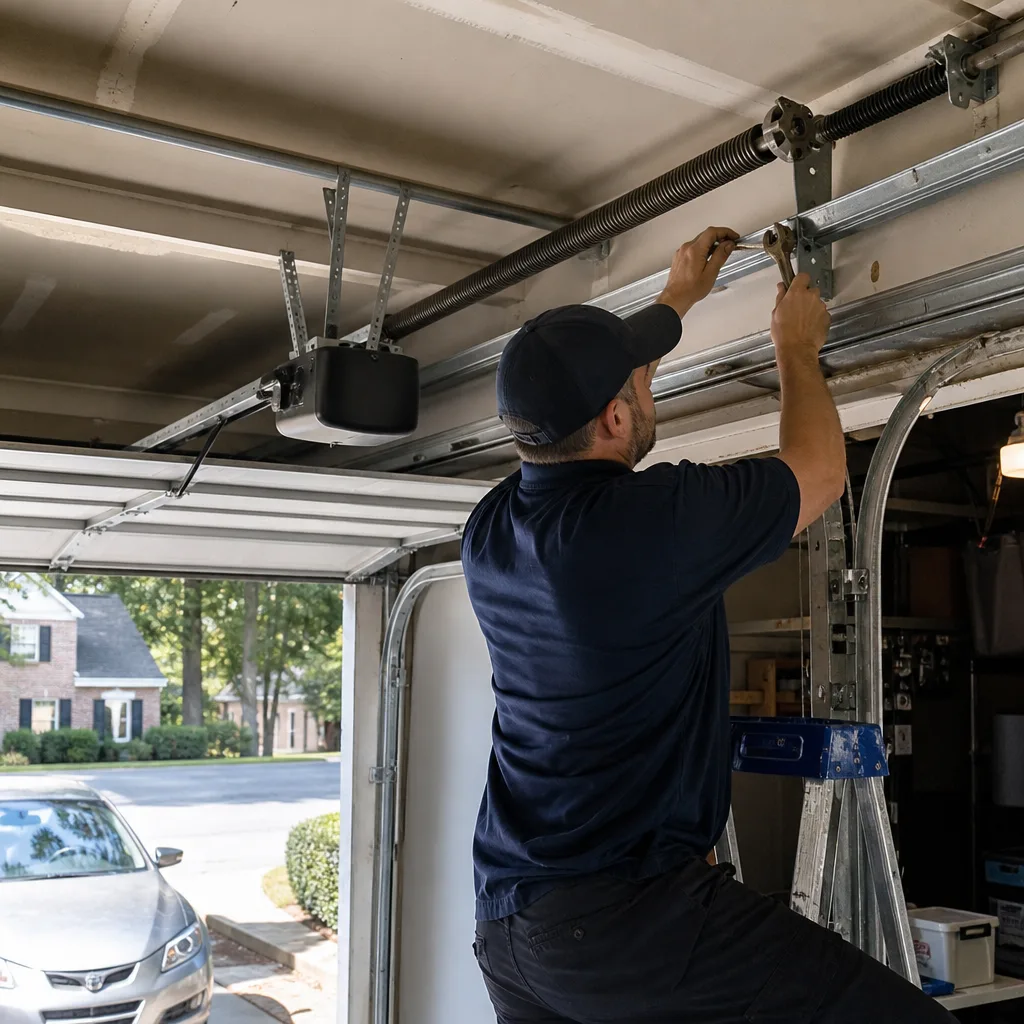
Some maintenance is genuinely DIY. Some is genuinely not. Any time you’re dealing with torsion springs, cables under tension, or a tracking problem that involves the door off its rollers, call a professional. The stored energy in a wound torsion spring can release in an instant, and the cable can snap back with enough force to cause serious injury. If the balance test shows the door dropping, if a cable is frayed, if a spring has a visible gap, or if the door is off its track, stop using the door and call someone who does this work daily. Brock Garage Doors Alpharetta offers free estimates in Alpharetta. Call (229) 404-6747, and Wade Mercer or a member of the team will walk you through what we think over the phone before we ever schedule a visit.
Frequently Asked Questions
Twice a year is enough for most Alpharetta homes: once in spring before the summer humidity peaks, and once in fall before the colder months. The balance test should be done every three months because it takes five seconds and catches spring fatigue early. Homes within a mile of the Chattahoochee River or near standing water may need lubrication more often due to higher ambient humidity.
A garage door tune-up in Alpharetta typically runs $89 to $129 when performed as a standalone service, and most companies roll the tune-up cost into the repair price if work is needed. The tune-up should include a full inspection, spring and hinge lubrication, track alignment check, and a balance test. Avoid companies that advertise a $29 tune-up; the price inevitably moves once the technician arrives.
No. Torsion springs are under hundreds of pounds of tension, and the winding process requires specialized bars and training. A mistake during spring replacement can cause serious injury or death. The cost of professional spring replacement in Alpharetta, typically $250 to $450 including both springs, is less than the cost of an emergency room visit. Call (229) 404-6747 for an exact quote, estimates are free.
A loud bang when the door opens almost always means a torsion spring has just snapped. The bang is the sound of the spring releasing its stored energy. If your door makes a bang and then won’t open, or opens only a few inches before stopping, one of the springs has broken. Stop using the door immediately and call a professional.
Most torsion springs are rated for 10,000 cycles, which translates to roughly seven to ten years in a typical Alpharetta home where the door cycles three to four times a day. Higher-cycle springs rated for 20,000 or 30,000 cycles cost more upfront but last proportionally longer. If you’ve been in your home for more than eight years and have never replaced the springs, they’re on borrowed time.
Yes. Every repair from Brock Garage Doors Alpharetta home carries a written 365-day guarantee. If a covered repair fails within that year, we come back and correct it at no charge. The guarantee is in writing on every job, not a verbal assurance. We also put the price in writing before any work begins, so the number on the invoice matches the number you approved.
The Bottom Line
Garage door maintenance in Alpharetta is not a random list of chores, it’s a sequence built around catching developing failures before they become expensive ones. Do the balance test every three months. Inspect the springs and cables before you lubricate anything. Lubricate with white lithium grease, not WD-40, and never on the track. Document everything with your phone camera so you have a baseline when a repair quote comes. And when the job involves springs, cables, or a door off its track, call a professional. The checklist costs nothing and takes 20 minutes twice a year. The repairs it prevents cost real money.
Written by Wade Mercer, Owner at Brock Garage Doors Alpharetta, serving Alpharetta since 2001.
See the difference
 Before
 After
After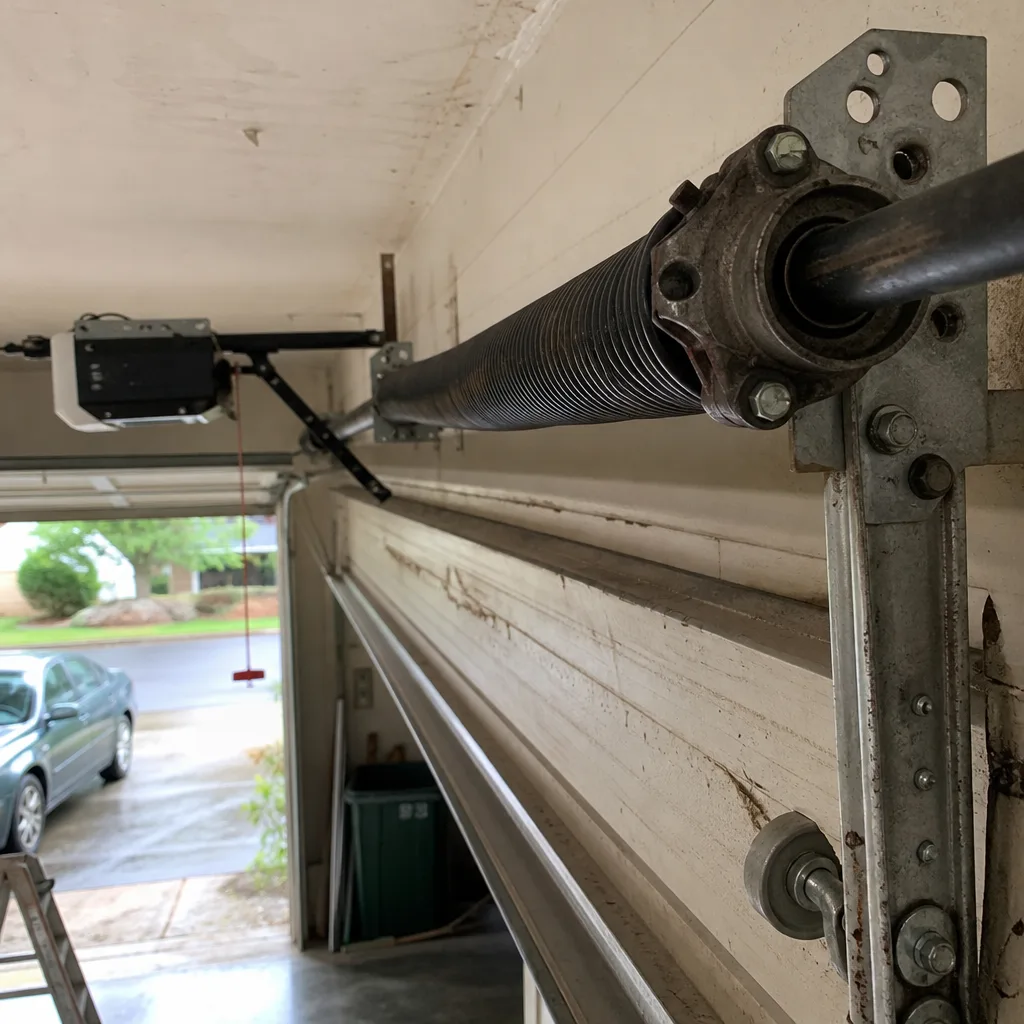 Before
 After
After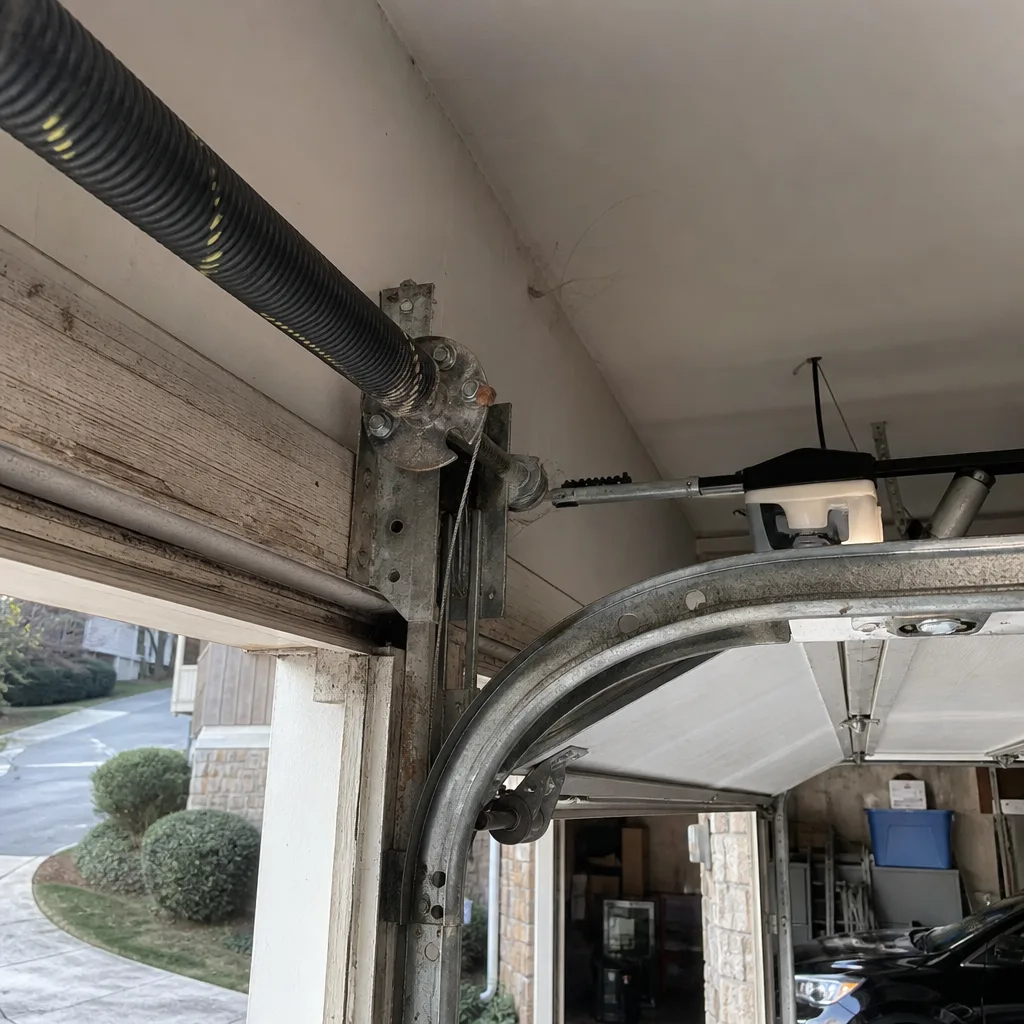 Before
 After
After